9 Best Curly Butterfly Cuts
The butterfly cut was made for curls, even if most photos show it on straight hair: short, face-framing layers at the front that lift and open the face, with the length kept long and layered at the back. These 9 curly butterfly cuts are all natural texture — no straightened “after” shots — covering loose waves of curl, defined spirals and tight coils, each with its length, upkeep level, and the exact words to ask your stylist.
The curly version has one non-negotiable: it must be cut dry, in its natural state, so the layers are placed where the curls actually live. Everything in this list assumes a dry, curl-by-curl cut. For the wider world of texture-first cuts, browse our women’s haircuts by hair type collection.
Quick picks — the shortlist
- The classic curly butterfly — the balanced starting point for most curl patterns.
- Curly butterfly with bangs — a curly fringe that melts into the face frame.
- The medium-length curly butterfly — the same shape, less length to manage.
- The tight-curl butterfly — proof coils take the shape beautifully.
9 curly butterfly cuts to show your stylist
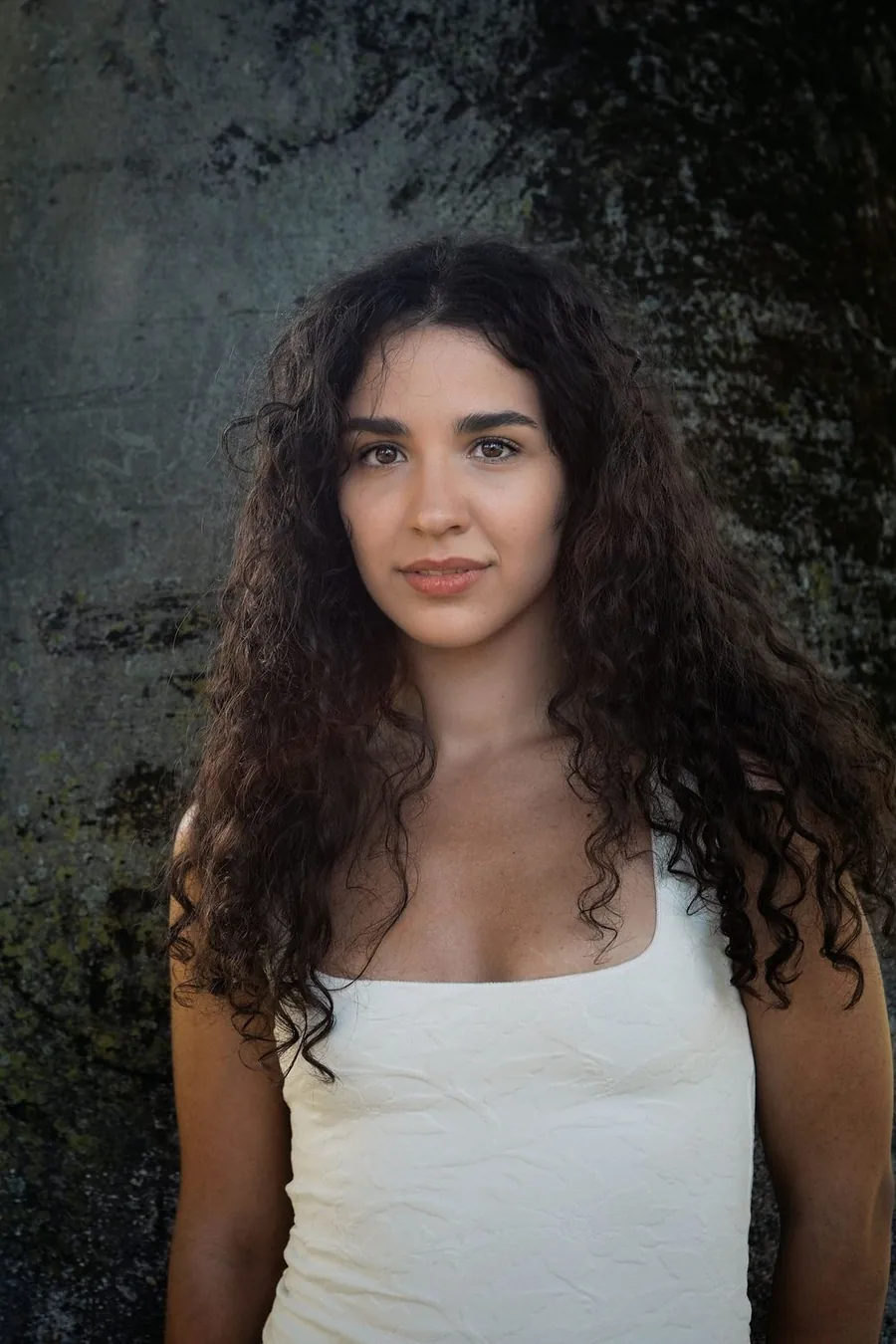
1. The classic curly butterfly
The blueprint: short layers starting at the cheekbones that frame the face like wings, blending into long layers that keep almost all of your length at the back. It suits most curl patterns from loose to defined, and oval, heart or square faces. The back keeps 12–16 inches (30–40 cm) of length, while the shortest front pieces sit at 5–6 inches (13–15 cm) dry. Maintenance is low to medium, since curls forgive the grow-out. Ask for: a dry-cut curly butterfly with face-framing layers from the cheekbones.
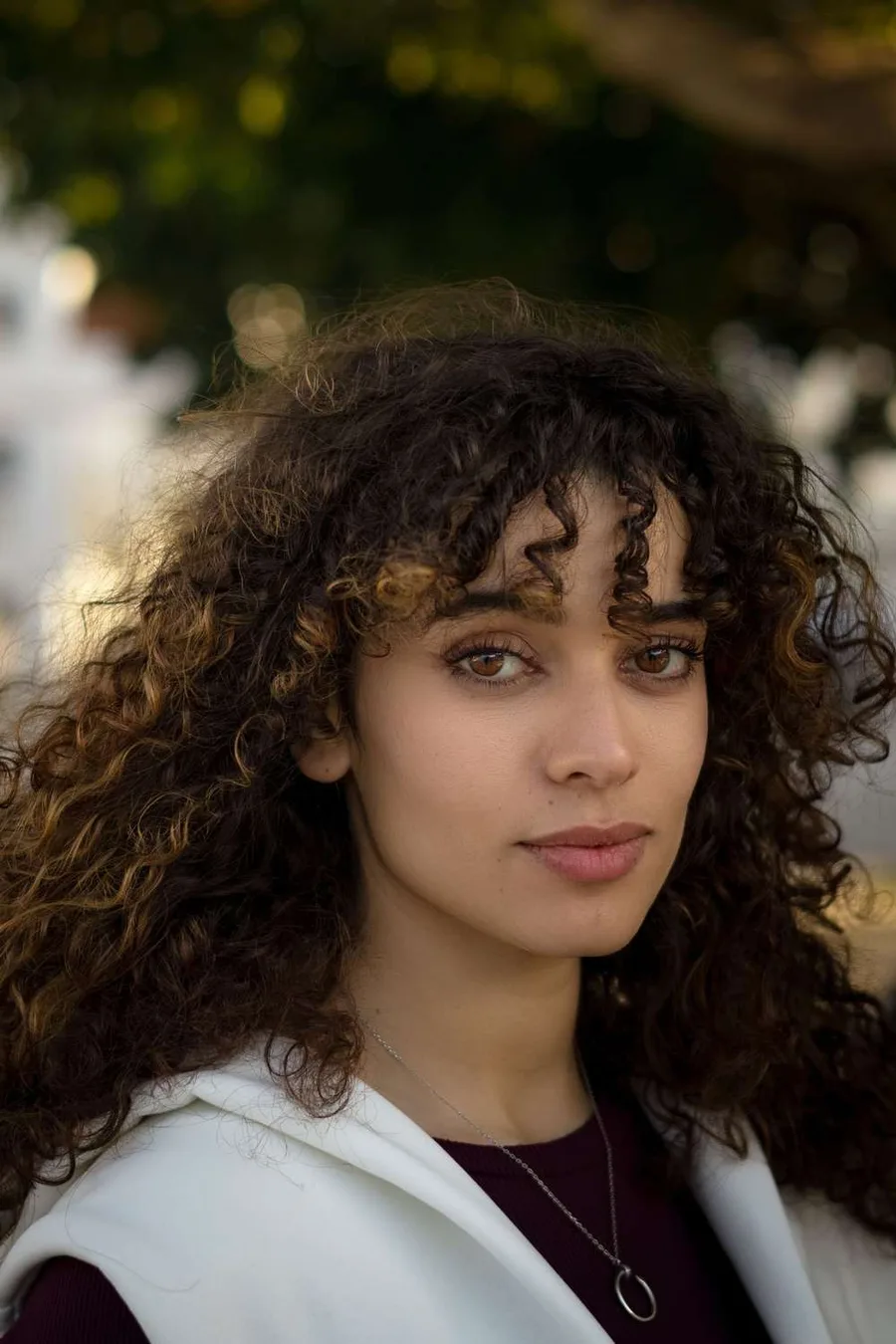
2. Curly butterfly with bangs
A soft, curly fringe cut dry to sit on the forehead, opening into the short face-framing layers that give the butterfly its shape. It suits defined curl patterns that can hold a fringe without puffing, and heart or long faces, which the fringe balances. The fringe is cut longer than it looks — about 4–5 inches (10–13 cm) stretched, springing to brow level — and the back stays long at 12–15 inches (30–38 cm). Maintenance is medium: a curly fringe needs a morning refresh. Ask for: a curly butterfly cut with a dry-cut curly fringe.
3. The medium-length curly butterfly
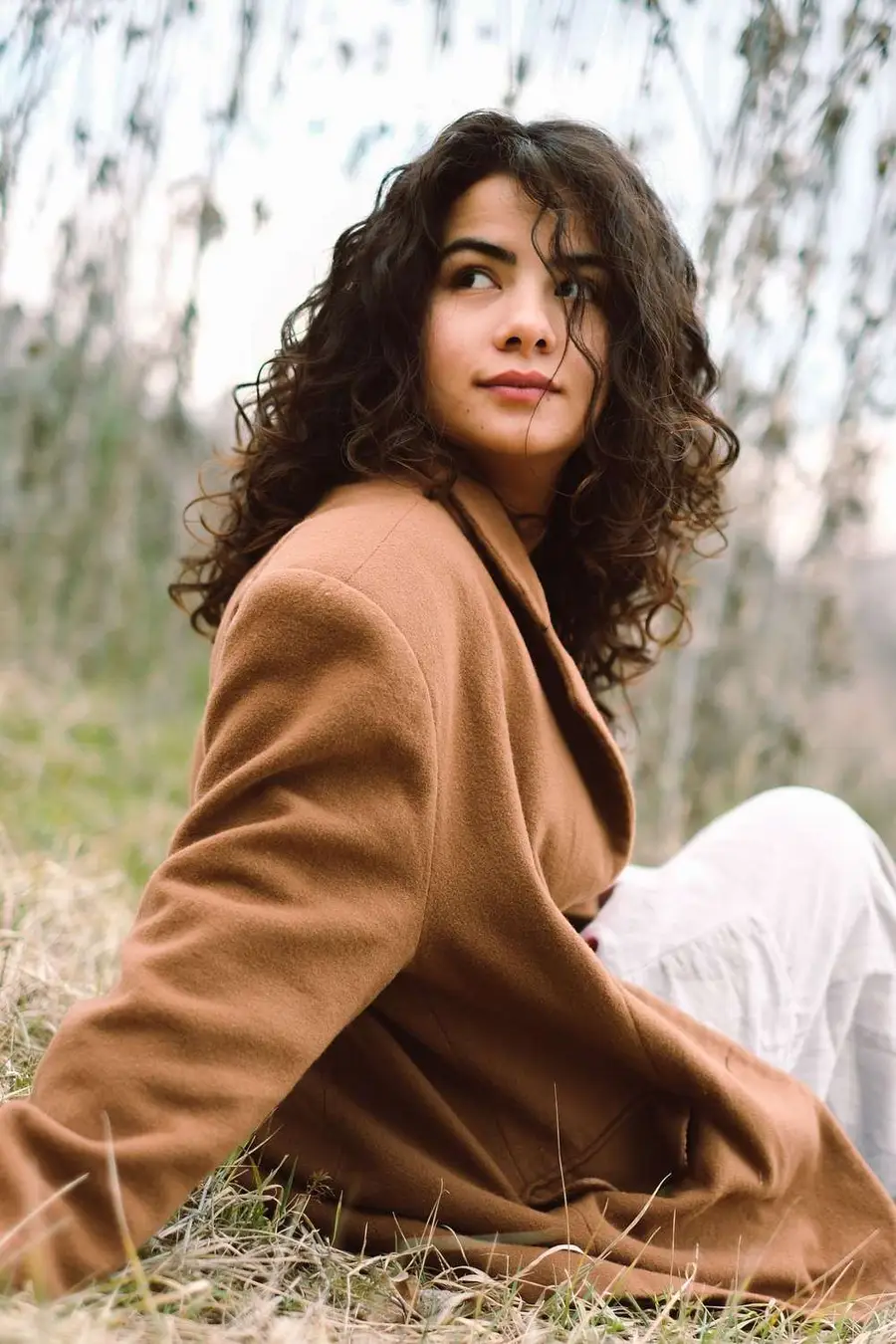
The same winged front, with the back finishing at the shoulders instead of down the back — quicker to wash, lighter to wear, and the easiest butterfly to live with. It suits loose to medium curl patterns and most face shapes. The back dry length is 8–10 inches (20–25 cm), and the face-framing layers start at the chin, around 4–5 inches (10–13 cm). Maintenance is low: shorter curls tangle less and dry faster. Ask for: a medium-length curly butterfly, cut dry.
4. The tight-curl butterfly (for coils)
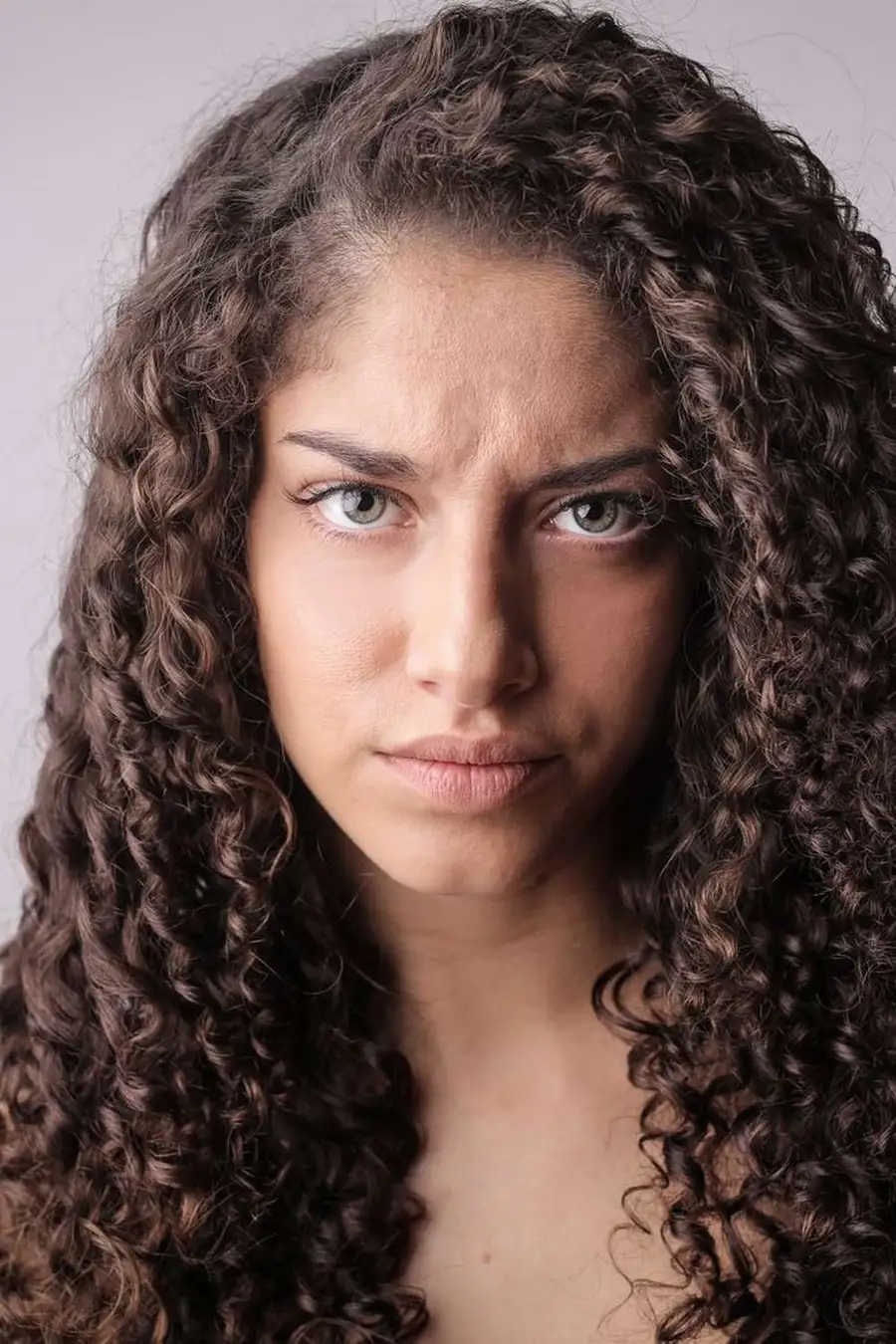
Tight curls and coils take the shape in a more sculpted way: shorter, rounded layers through the top that stack into volume, with the length kept long and defined at the back. It suits tight curl patterns and round, heart or oval faces. Cut dry and longer than the goal — coils spring up 2–4 inches (5–10 cm) — settling with the back at 10–13 inches (25–33 cm) dry. Maintenance is low to medium. Ask for: a dry, curl-by-curl butterfly cut shaped for tight curls.
5. The extra-long curly butterfly
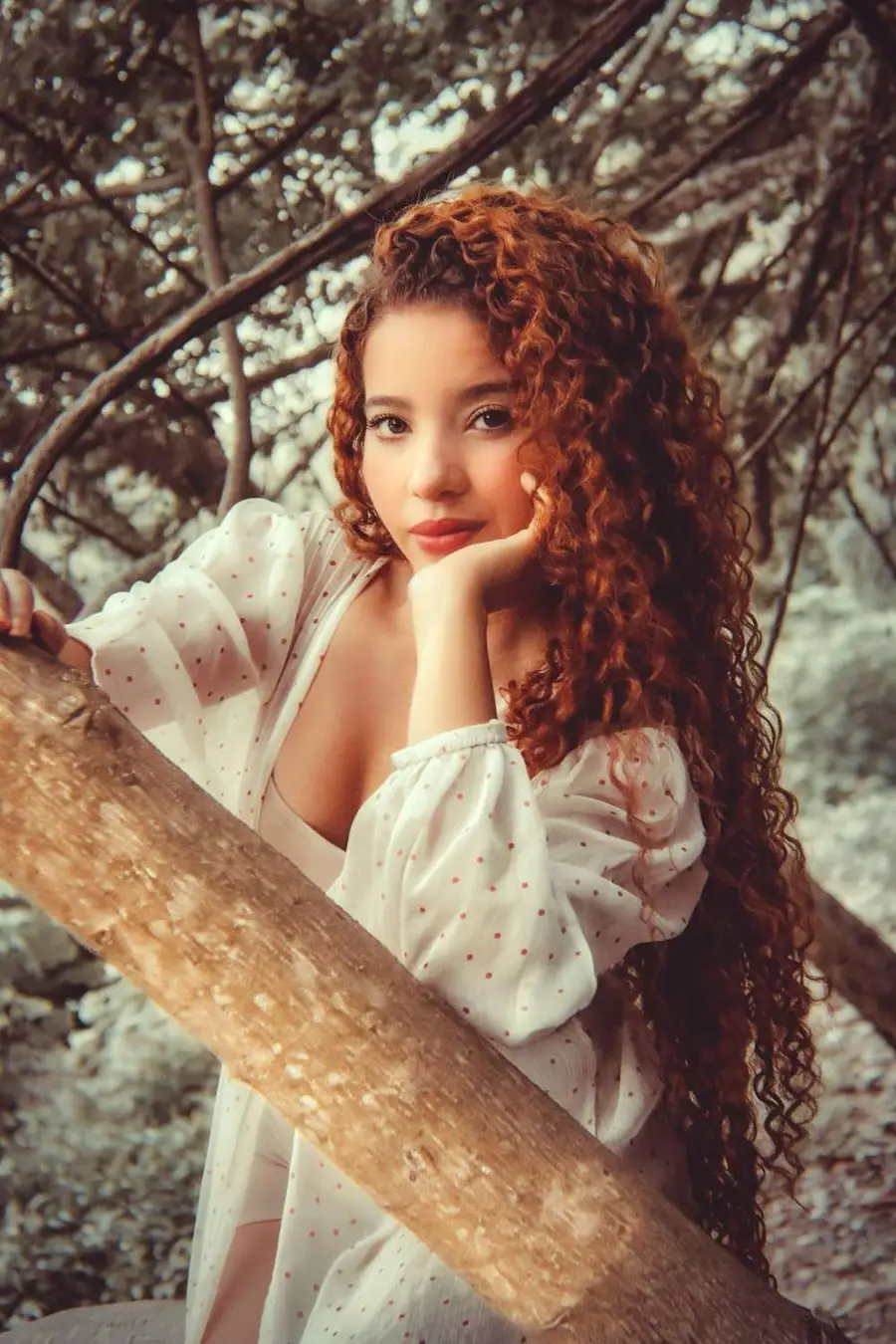
Maximum drama: waist-approaching length at the back, with the short butterfly layers at the front stopping the sheer weight of it dragging the top flat. It suits thick, strong curl patterns that can hold very long lengths, and oval or long faces. The back keeps 16–20 inches (40–50 cm) or more; the front layers begin at the cheekbones, about 5 inches (13 cm) dry. Maintenance is medium to high — long curls are a wash-day commitment. Ask for: an extra-long curly butterfly with short layers only at the front.
6. The loose-curl butterfly
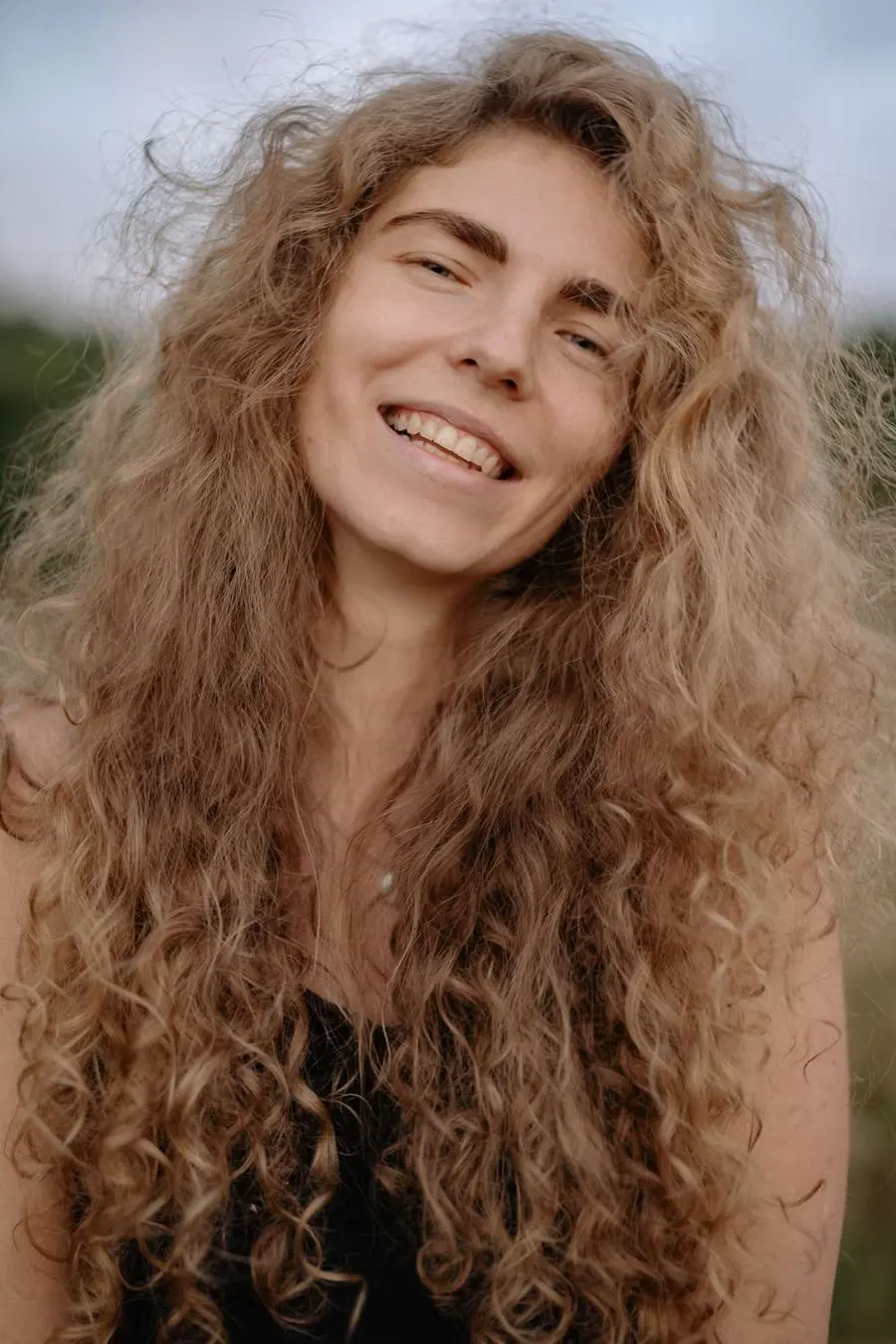
For the loosest end of the curl family — big, soft spirals and waves of curl that barely hold a ringlet: longer, gentler layers that suggest the butterfly shape without cutting pieces so short they spring away. It suits loose curl patterns and most face shapes. The back stays at 12–15 inches (30–38 cm), with the shortest layers kept below the chin at 6–7 inches (15–18 cm) dry. Maintenance is low. Ask for: a curly butterfly with long, gentle layers for loose curls.
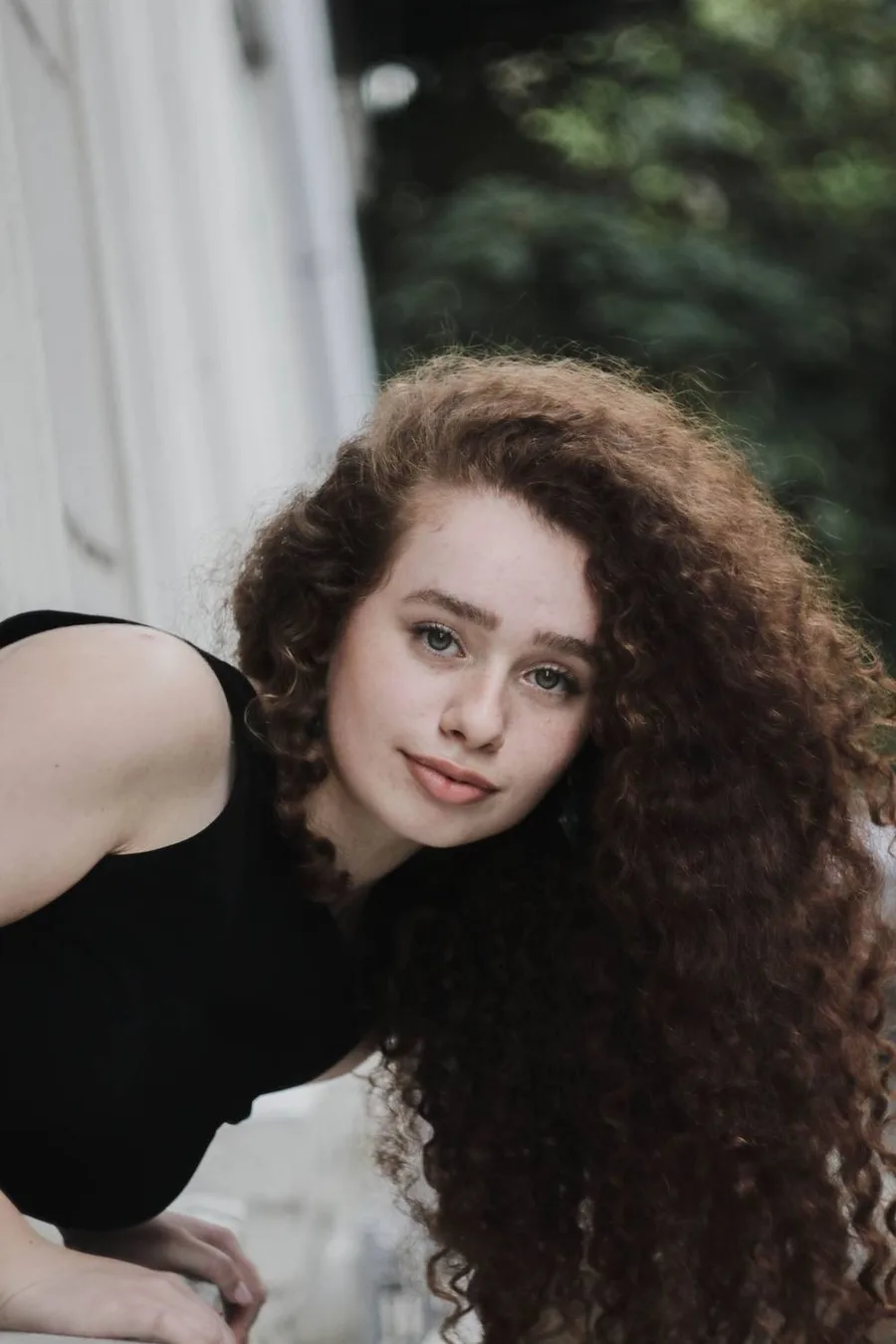
7. The voluminous curly butterfly
Built for density: plenty of shorter layers through the crown and front to lift thick curls up and out, so the shape reads as wings rather than a heavy curtain. It suits thick, defined curls and round or square faces, which the crown height lengthens. The back keeps 12–14 inches (30–36 cm), and the crown layers are cut to 4–5 inches (10–13 cm) dry. Maintenance is low to medium. Ask for: a curly butterfly with extra layering through the crown for volume.
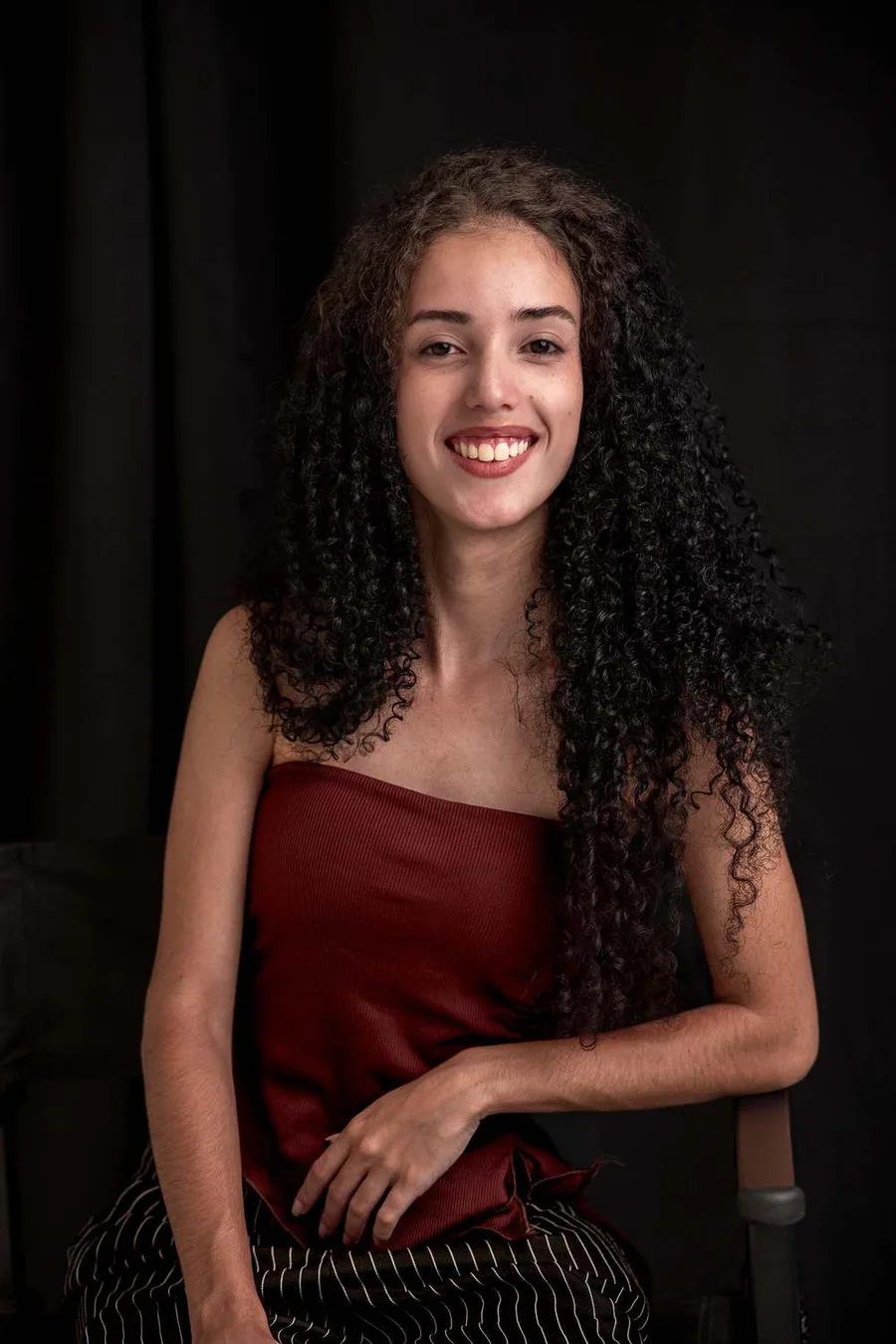
8. Curly butterfly with short face-framing layers
The front layers start higher here — at the cheekbones and even the brows at their shortest — giving the strongest face-opening effect on the list, while the back stays long. It suits defined curl patterns and square or heart faces, which the short front pieces soften. The shortest pieces sit at 3–4 inches (8–10 cm) dry, and the back remains 12–15 inches (30–38 cm). Maintenance is medium, since short front curls need placing each morning. Ask for: a curly butterfly with short, cheekbone-level face-framing layers.
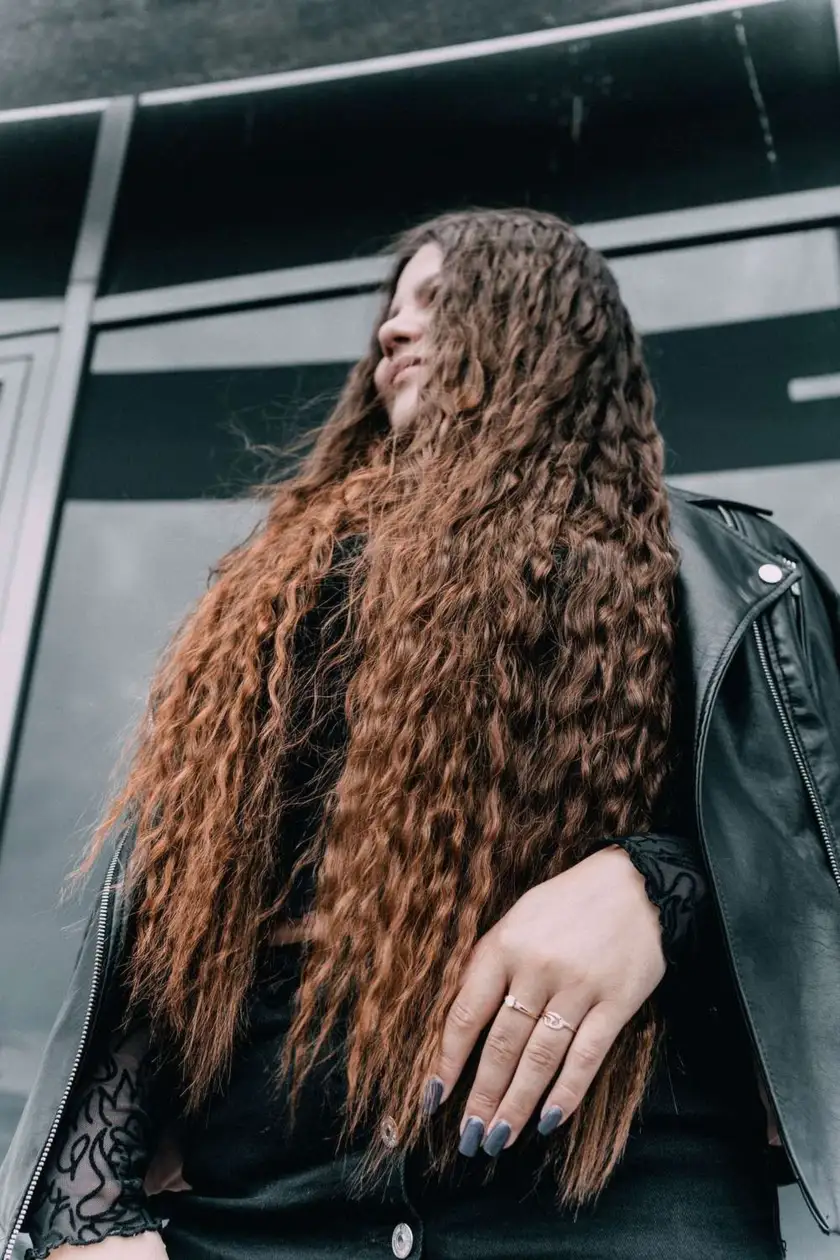
9. The wavy-curly butterfly
For hair that lives between wavy and curly: long, blended layers with a soft butterfly front that works on your straighter days and your curliest days alike. It suits wavy-to-curly hair of most densities and most face shapes. The back keeps 12–16 inches (30–40 cm), and the front layers start at the chin, around 5–6 inches (13–15 cm) in their natural state. Maintenance is low — this version is the most forgiving of the nine. Ask for: a butterfly cut for wavy-curly hair, cut in its natural state.
How to choose your curly butterfly
Start with your curl pattern, because it sets the layer lengths. Loose patterns can take the classic blueprint almost unchanged, but the shorter the front layers are cut, the more they spring — on tight curls, a cheekbone layer cut wet can land at the eyebrows dry. That is why every version here is a dry cut, and why the hair types guide is worth a read before you book.
Then decide how much length you honestly enjoy maintaining. The butterfly’s promise is that you keep your length — but extra-long curls mean long wash days, more product, and slower drying. The medium version keeps the face-framing effect, which is the part people actually notice, at a fraction of the effort.
Finally, think about the front. Short face-framing layers and curly bangs give the strongest shape but need a daily refresh — a mist of water and a scrunch for most people. Longer front layers are the lower-effort choice. If you are tempted to go much shorter all over instead, our layered bob haircuts guide shows the curly bob version of the same layering idea.
What to ask your stylist
Use one sentence that covers the cut method, the front and the back. For example: “I would like a curly butterfly cut, cut dry in its natural state — short face-framing layers starting at my cheekbones, and the back kept long at about 14 inches (36 cm) with blended layers.” Insist on the dry cut if your stylist suggests wet cutting, and show a front and a back reference photo in a curl pattern close to your own.
Frequently asked questions
Is the butterfly cut good for curly hair?
Yes — arguably better than on straight hair, because curls give the short front layers natural lift and separation, so the winged shape shows without heat styling. The condition is the cut itself: it should be done dry, curl by curl, so the layers are placed at their real, sprung-up lengths.
What is the difference between a butterfly cut and regular layers?
Proportion. Regular long layers graduate gently all through the hair. A butterfly cut concentrates much shorter layers at the front — cheekbone to chin length — while the back stays long, creating a clear two-part shape: short face frame in front, full length behind. On curls, that contrast is what opens up the face.
How do I style a curly butterfly cut day to day?
Keep it simple: refresh the front layers with a water mist and a scrunch, add a small amount of leave-in or gel on damp hair, and let it air-dry or diffuse on low heat. The shape does the work — the cut is designed so the front pieces fall into place rather than needing to be styled into place.
How often does a curly butterfly cut need trimming?
Most people go ten to fourteen weeks, longer than many curly cuts, because the long back hides growth and the front layers soften as they lengthen. Book sooner if the front pieces start falling past the chin and the winged effect disappears, or if the ends begin to tangle and knot.
A curly butterfly is the rare trend cut that works with your texture instead of against it — provided it is cut dry and in your curl pattern. Shortlist two or three versions, save photos of models whose curls look like yours, and let your stylist set the final front-layer height on the day.
Keep exploring
- French Bob Haircuts — including a curly version, if you are ready to go short.
- Long Hairstyles for Women — the full collection of long, layered cuts.
- Face Shapes Guide — match your front layers to your face shape.
- Hair Types — how curl pattern changes every cut in this list.
Save your favourite styles and follow DreamyTrims on Pinterest for new haircut ideas every week.