11 Best French Bob Haircuts (With & Without Wispy Bangs)
The French bob is the chicest short cut going: one blunt, jaw-skimming length, ends that curl just slightly under, and an optional fringe that does the styling for you. These 11 French bob haircuts cover the full range — with wispy bangs, with a full blunt fringe, slicked smooth, or left to your natural wave and curl — and each one comes with its length, its upkeep level, and the exact words to ask your stylist.
If you want movement instead of that solid French line, start with our layered bob haircuts guide, or browse the whole family in our collection of bob hairstyles. This page is the French cut specifically: chin and jaw lengths only, because a French bob that creeps past the shoulders has quietly become a lob.
Quick picks — the shortlist
- The classic French bob — the no-bangs original, and the safest first short cut.
- French bob with wispy bangs — the softest way into a fringe, and the easiest to grow out.
- The curly French bob — proof that natural curls wear this cut beautifully.
- The wavy French bob — the wash-and-go version, made to air-dry.
11 French bob haircuts to show your stylist
1. The classic French bob (no bangs)
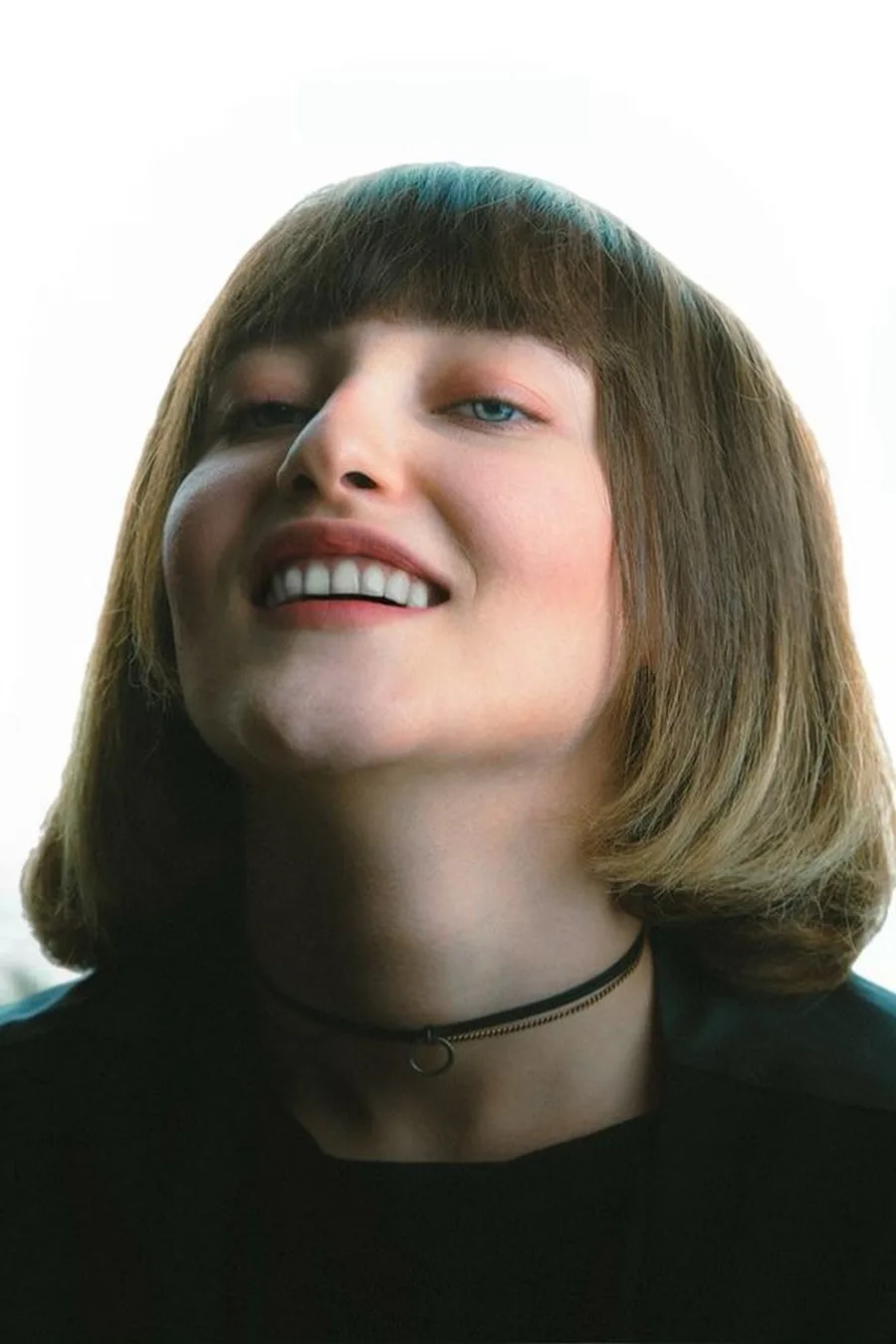
One blunt length cut to sit right at the jaw, worn with a center part and the ends tucked just under — no fringe, no layers on show. It suits oval, heart and square faces, and straight to slightly wavy hair of any thickness. The ends land level with the jaw, roughly 5–6 inches (13–15 cm) from the crown at the sides. Maintenance is medium: the clean line needs a trim every six to eight weeks. Ask for: a jaw-length blunt bob, no bangs, ends finished to tuck under.

2. French bob with wispy bangs
The same jaw-length blunt bob, softened by a see-through, feathered fringe that skims the eyebrows — bangs in the US, a fringe in the UK and Australia. It suits heart and long faces, because the fringe shortens the forehead visually, and it is the easiest fringe to grow out if you change your mind. The bob sits at the jaw, about 5–6 inches (13–15 cm) at the sides, with the wispy bangs just touching the brows. Maintenance is medium, mostly the fringe trims. Ask for: a jaw-length French bob with light, wispy bangs.

3. French bob with a full blunt fringe
The most recognizably French version: a jaw-length bob with a heavy, straight-across fringe cut just above the brows. It suits oval and heart faces and straight, medium to thick hair, where the fringe can hold its dense line. Length is jaw level, roughly 5–6 inches (13–15 cm) at the sides, and the fringe is cut wider than the brow bone for that full effect. Maintenance is medium to high, as a blunt fringe shows growth fast. Ask for: a French bob with a full, blunt-cut fringe.

4. The wavy French bob
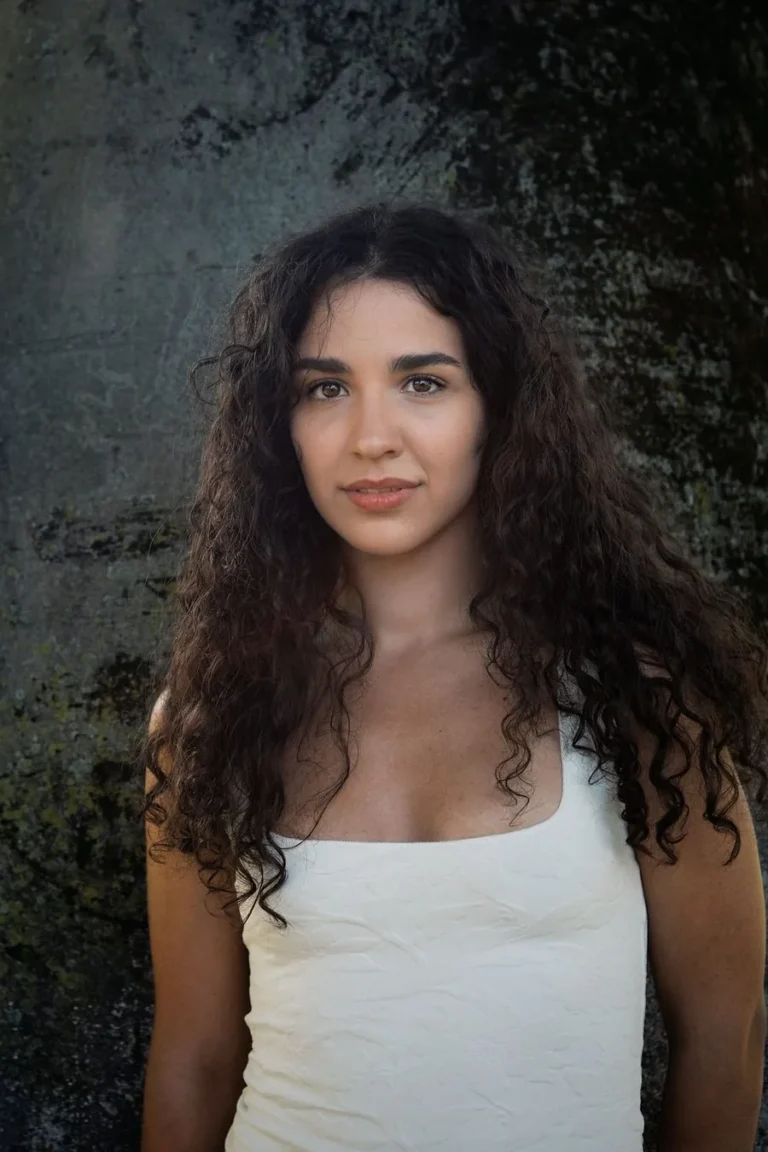
Cut blunt at chin to jaw length, then left completely alone: this French bob is designed around your natural wave instead of being blow-dried out of it. It suits wavy hair of most thicknesses and oval, square or heart faces. The length lands between the chin and the jaw, around 4–6 inches (10–15 cm) below the crown at the front. Maintenance is low — a scrunch with a little mousse and air-drying is the whole routine. Ask for: a chin-length French bob cut to wear wavy, not straightened.

5. The curly French bob
Natural curls cut dry, curl by curl, into a rounded jaw-length shape with soft layers so the silhouette stays round instead of triangular. It suits curly hair from loose to tight patterns, and round, heart or oval faces. Your stylist cuts it longer than the goal, since curls spring up 1–3 inches (2.5–8 cm) as they dry, settling at chin to jaw length. Maintenance is low to medium: the shape forgives growth between appointments. Ask for: a dry-cut curly French bob with rounded layers.
6. The sleek, polished French bob
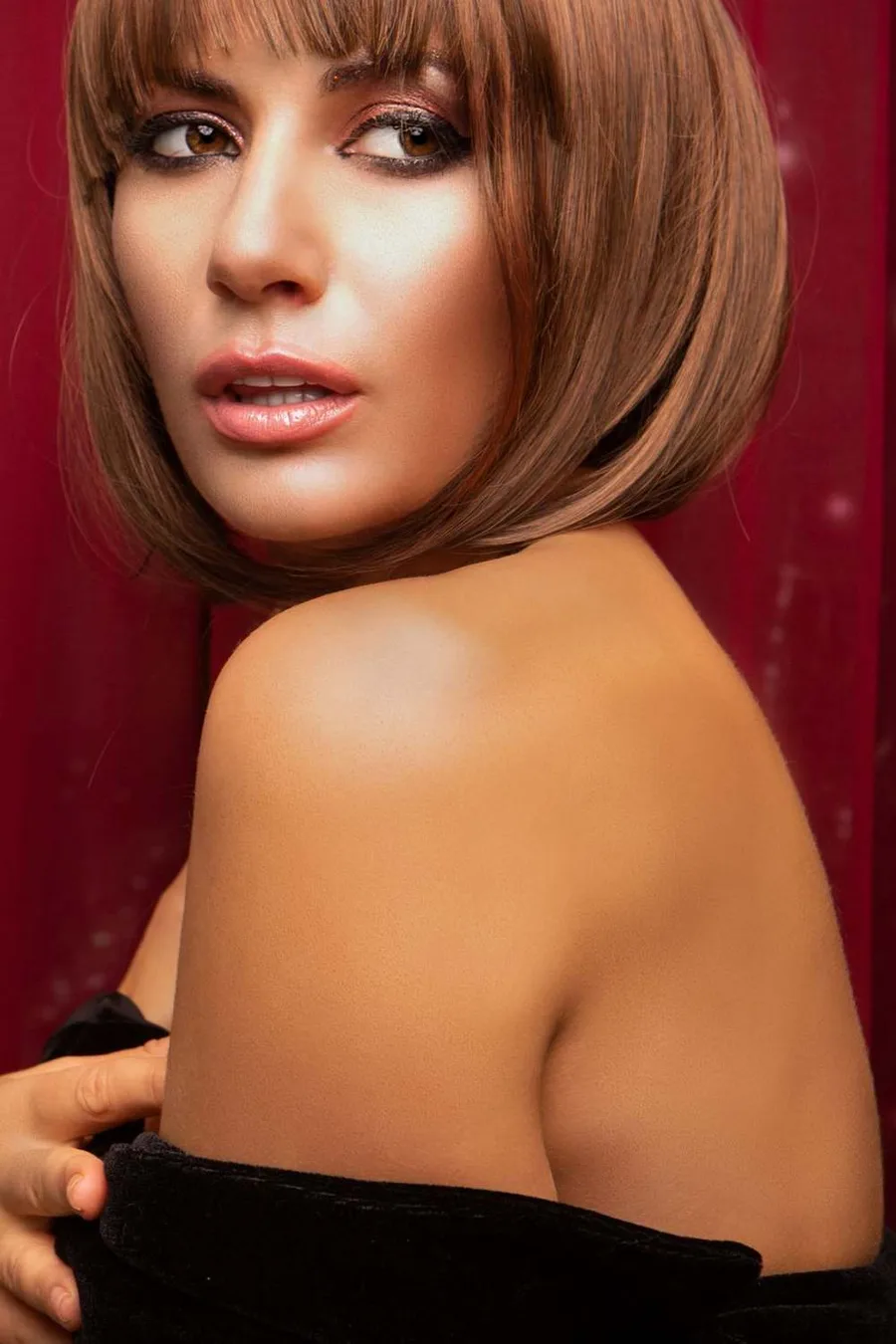
A precision blunt bob blow-dried glass-smooth, with a deep shine and ends that sit in one unbroken line — the dressed-up end of the French family. It suits naturally straight or relaxed hair and oval or long faces, which the horizontal line balances. The length rests at or just below the chin, about 5 inches (13 cm) below the jaw at the front. Maintenance is medium, mostly styling time rather than trims. Ask for: a sleek French bob with a blunt, polished finish.
7. French bob with micro bangs
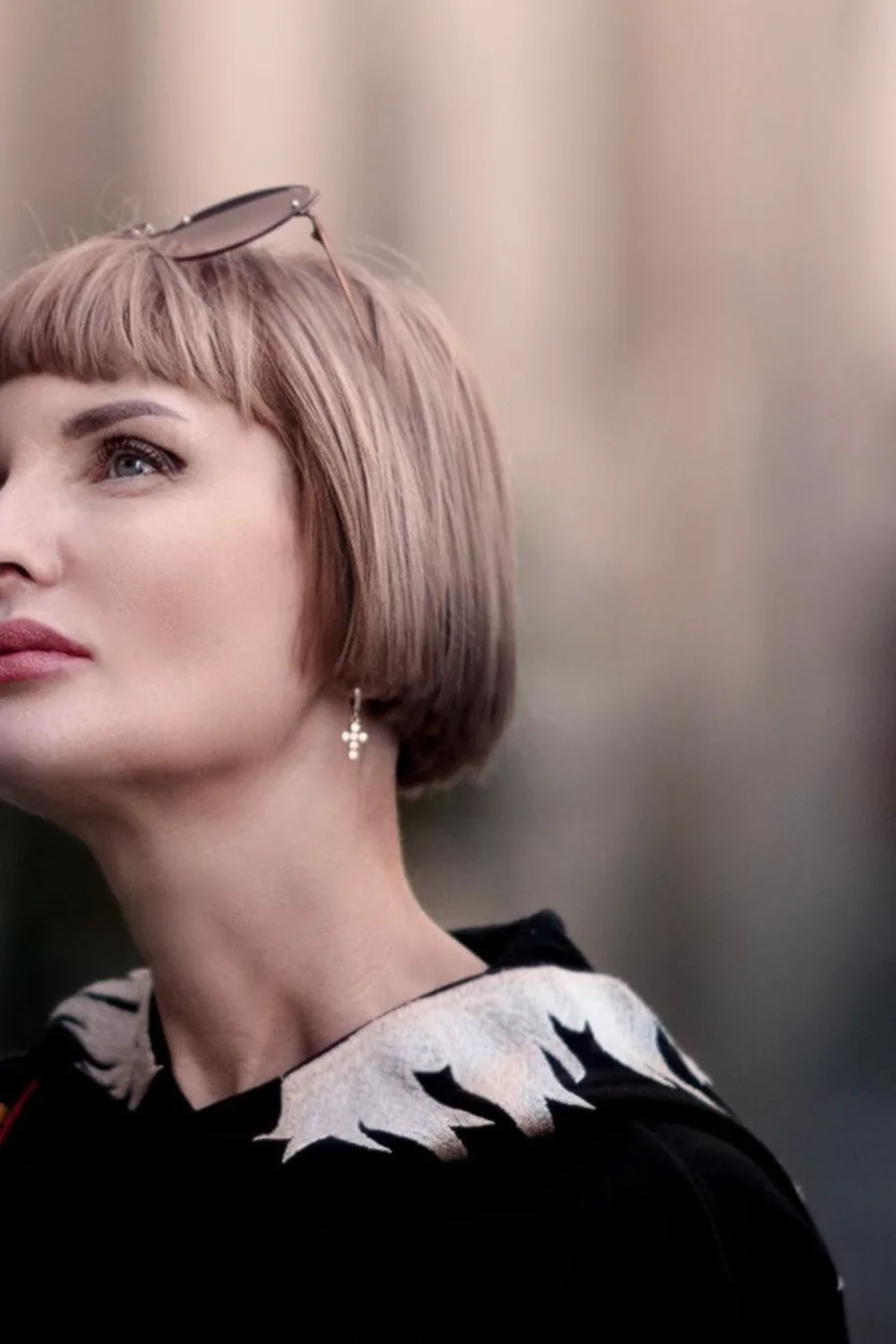
A jaw-length bob paired with a short, cropped fringe that sits well above the eyebrows — the boldest fringe on this list and a true statement. It suits oval and heart faces and straight hair, because the tiny fringe needs to lie flat to read properly. The bob is jaw length, roughly 5–6 inches (13–15 cm) at the sides, and the micro bangs are just 1–2 inches (2.5–5 cm) long. Maintenance is high: micro fringes need very frequent trims to keep their line. Ask for: a French bob with cropped micro bangs.
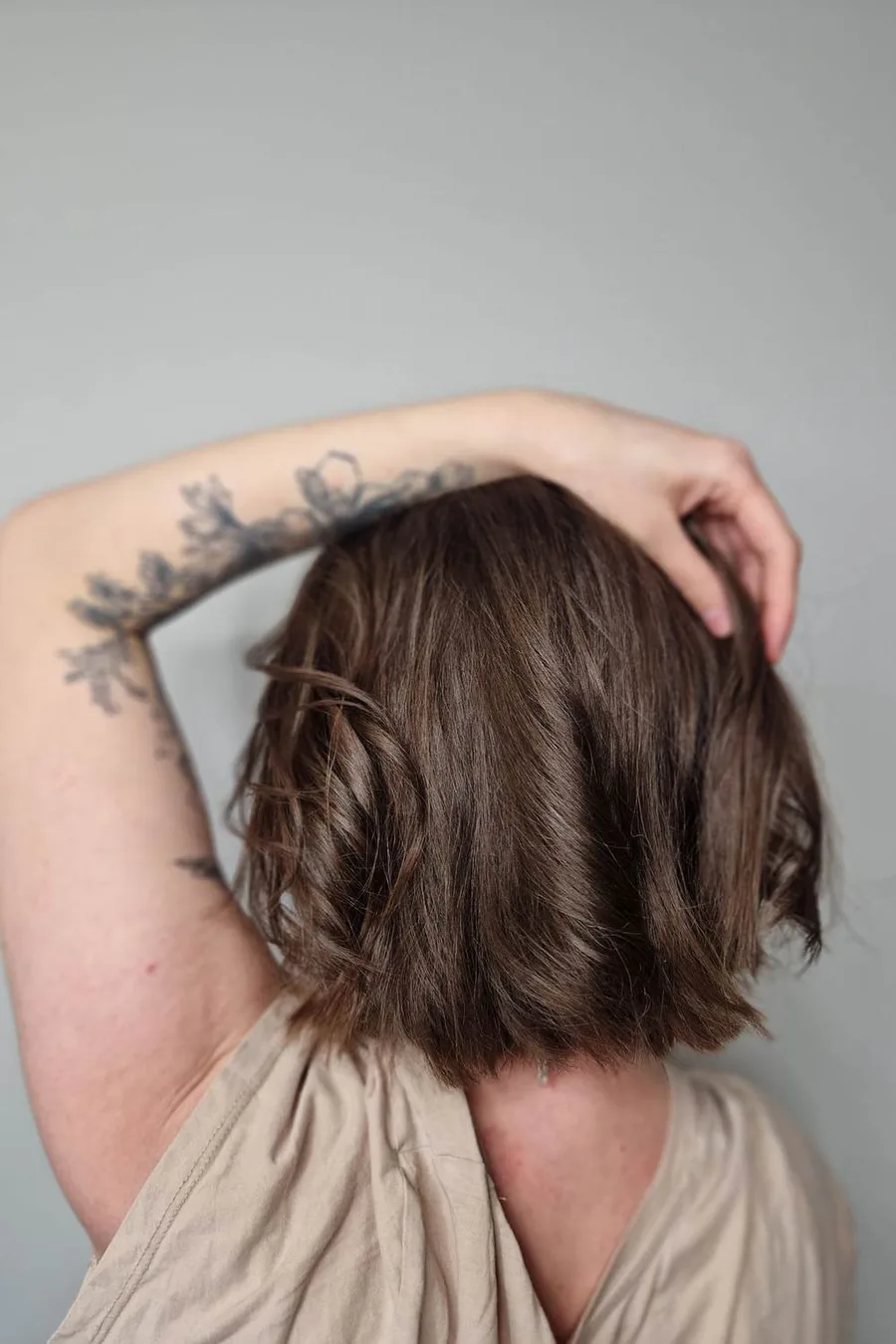
8. The textured French bob (choppy ends)
The blunt outline stays, but the last inch (2.5 cm) of the ends is point-cut into soft, choppy pieces, so the bob moves instead of sitting in one slab. It suits straight to wavy, medium to thick hair and most face shapes, and it is the friendliest version for heavy hair. Length is chin to jaw, about 4–6 inches (10–15 cm) below the crown at the sides. Maintenance is low to medium: texture hides new growth well. Ask for: a French bob with point-cut, textured ends.

9. The copper French bob with a rounded fringe
A chin-length bob whose fringe is cut in a gentle curve, following the brow line, so the whole front reads as one smooth, rounded frame. It suits oval, heart and square faces — the curve softens a strong jaw — and straight to wavy hair. The ends sit at the chin, around 5 inches (13 cm) below the jaw at the back, and the rounded fringe meets the sides without a corner. Maintenance is medium. Ask for: a French bob with a curved, rounded fringe.
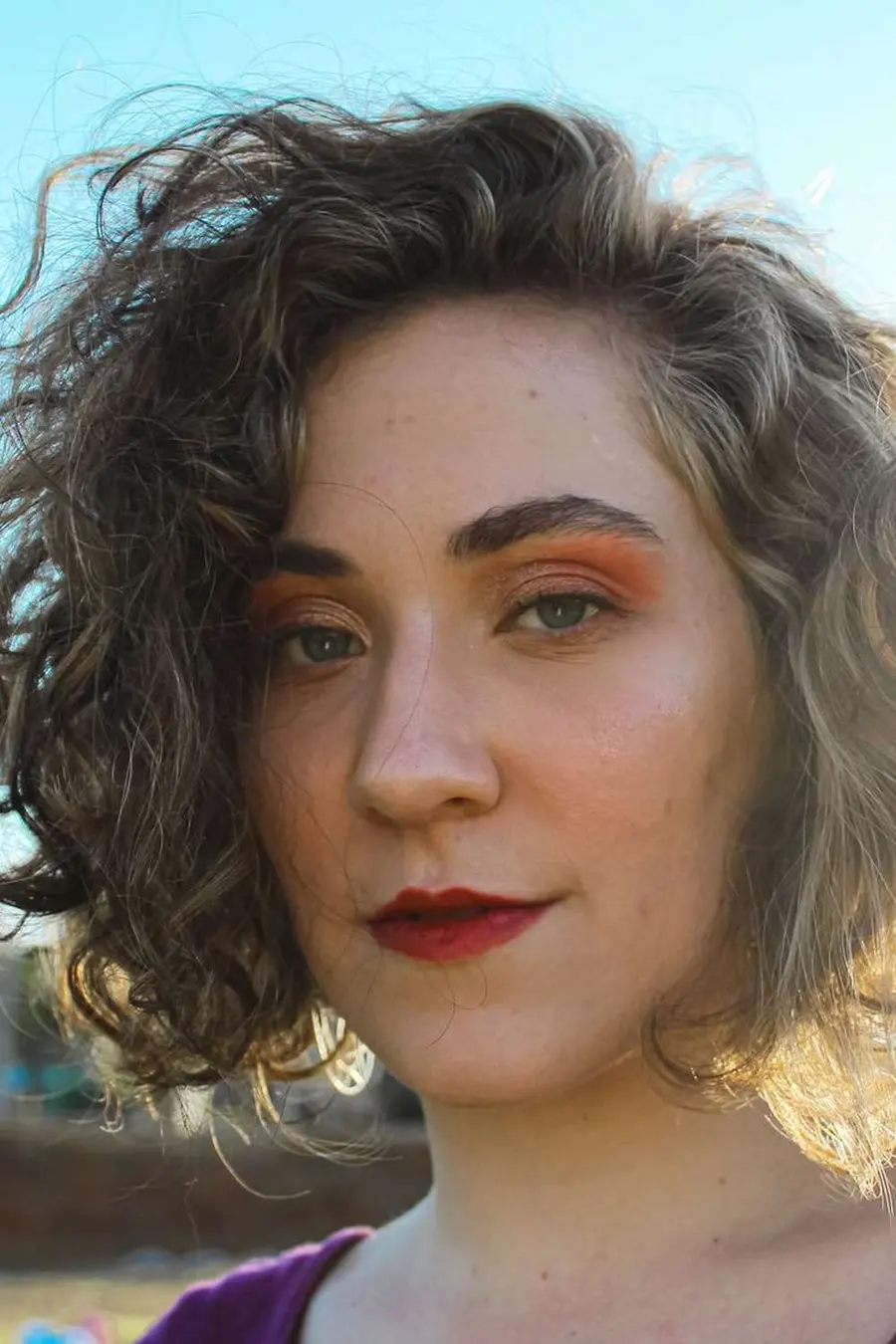
10. The voluminous French bob (for thick hair)
Built for density: a chin-length bob with hidden internal layers that lift the roots and keep thick hair bouncy rather than heavy, while the outline still reads blunt. It suits thick, wavy to curly hair and round or square faces. The length lands at the chin, roughly 4–5 inches (10–13 cm) below the jaw at the front. Maintenance is low to medium, since the hidden layers grow out invisibly. Ask for: a French bob with internal layers to keep the volume light.
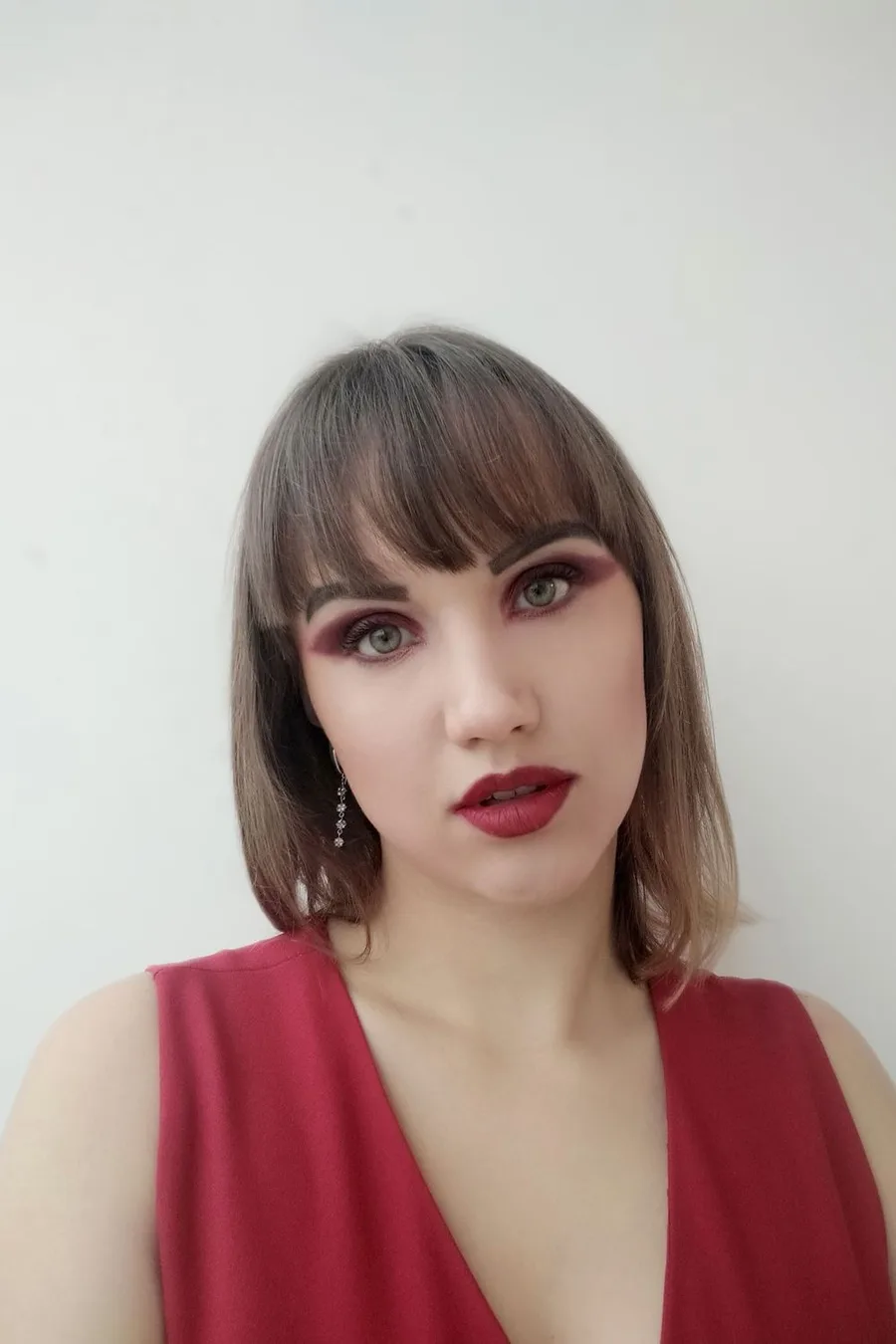
11. The grown-out French bob
What the French bob becomes at month three, done on purpose: the length drops just below the chin, the ends soften, and a grown-in fringe parts in the middle instead of sitting straight across. It suits most face shapes and straight to wavy hair, and it is the lowest-commitment way to test the shape. The ends sit 1–2 inches (2.5–5 cm) below the chin. Maintenance is low — this version is meant to look relaxed between trims. Ask for: a soft, grown-out French bob just below the chin.
How to choose your French bob
Start with the jaw. A true French bob ends at the chin or jaw — that horizontal line is the whole personality of the cut. If your face is round, keep the length at the lower edge of that range and avoid volume at the cheeks; if your face is long, the shorter, wider versions balance you best. Not sure of your shape? Our face shape guide shows a quick mirror-and-tape way to check.
Then decide on the fringe honestly. A full blunt fringe is the most French and the most work: it needs trimming every few weeks and styling on damp mornings. Wispy bangs are the low-stakes middle ground — they part, pin back, and grow out invisibly within a couple of months. No bangs at all gives you the cleanest line and the longest time between appointments.
Finally, match the cut to your texture rather than fighting it. Straight hair shows the blunt line best, wavy hair gives the cut its relaxed, undone feel, and curly hair needs a dry cut so the length is judged in its real, sprung-up state. A good stylist will ask how you actually dry your hair in the morning — answer honestly, because the right French bob is the one built for that routine.
What to ask your stylist
Use one sentence that covers length, fringe and finish. For example: “I would like a French bob ending right at my jaw, with wispy bangs just touching my eyebrows, and the ends left blunt so it can air-dry.” Swap in your fringe choice and your real length, and mention how many weeks you go between trims. Always show a front and a side reference photo: the side view is what shows the jaw-level line that makes this cut French.
Frequently asked questions
Does a French bob suit a round face?
Yes, with two adjustments: keep the length at the jaw or a fraction below rather than up at the cheekbones, and skip volume at the sides. A center part or a soft wispy fringe also helps by adding vertical lines. The angled, cheekbone-height versions are the ones that tend to widen a round face.
How often does a French bob need trimming?
Plan on every six to eight weeks to hold the jaw-level line, and fringe trims in between if you wear a full blunt fringe — many salons tidy a fringe free or cheaply between cuts. The grown-out and textured versions on this list can stretch to ten weeks without looking neglected.
What is the difference between a French bob and an Italian bob?
Length and mood. The French bob sits at the chin or jaw, is cut blunt, and is worn undone, often with a fringe. The Italian bob is longer — around collarbone level — with more polish, bounce and blow-dried volume. If your ends reach your shoulders, you are in Italian or lob territory, not French.
Can I get a French bob if my hair is fine?
Yes — fine hair often suits it, because the blunt perimeter makes the ends look thicker than layers would. Keep layering minimal and hidden, ask for the ends to stay solid, and choose wispy bangs over a full fringe, since a heavy fringe borrows density from the rest of the cut.
A French bob succeeds or fails on two things: the length landing exactly at your jaw, and a fringe decision you have actually thought through. Pick two or three versions from this list, save front and side photos of each, and let your stylist fine-tune the final half-inch to your features on the day.
Keep exploring
- Layered Bob Haircuts — 15 layered bobs, if you want movement instead of the blunt French line.
- Curly Butterfly Cuts — long, face-framing layers built for natural curls.
- Bangs & Fringe Ideas — every fringe type compared, from wispy to blunt.
- Short Hairstyles for Women — pixies and short cuts beyond the bob family.
Save your favourite styles and follow DreamyTrims on Pinterest for new haircut ideas every week.