11 Cute Toddler Girl Haircuts
A toddler’s haircut should be judged by one test: is she comfortable, and can you repeat it on an ordinary Tuesday? These 11 cute toddler girl haircuts pass both — soft bobs, gentle pixies, curly shape-ups and longer cuts that grow out kindly — each with its length, how much cooperation it needs, and the exact words to say to the stylist. No heavy styling, no complicated products: just good shapes for small people with short attention spans.
If this is her very first haircut, keep it simple and keep it short — the appointment, that is. A trim that tidies the ends and clears her eyes does more for a first-timer than any dramatic restyle, and it teaches her that the salon chair is a safe, boring, snack-adjacent place. Every cut below notes how much sitting still it takes, because that is the real deciding factor at this age.
Quick picks — the shortlist
- The gentle first trim — the best first-ever appointment.
- The classic toddler bob — the all-rounder that suits nearly everyone.
- The curly toddler shape-up — for natural curls, cut dry.
- The short crop for fine hair — wispy hair, finally looking full.
11 cute toddler girl haircuts to try
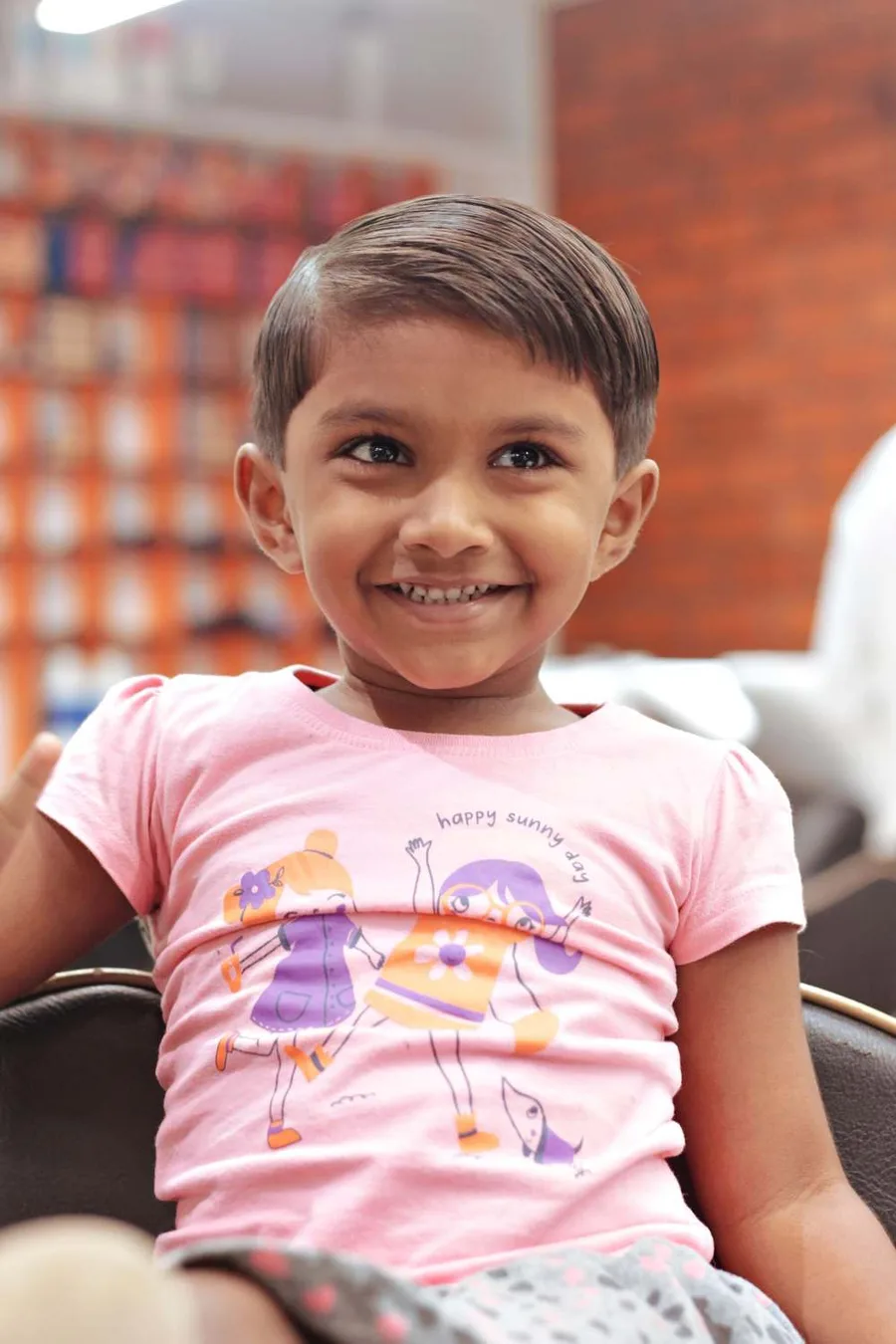
1. The gentle first trim
Not a restyle — a tidy-up: the ends cleaned, the front lifted out of her eyes, and her baby hair’s natural shape left alone. It suits every hair type and every toddler, especially first-timers and the salon-nervous. Almost nothing comes off: 0.5–1 inch (1.5–2.5 cm) at most, keeping the length she has, usually around 3–5 inches (8–13 cm). Maintenance is as low as it gets, and the appointment is over in minutes. Ask for: just a gentle first trim — tidy the ends and clear her eyes.
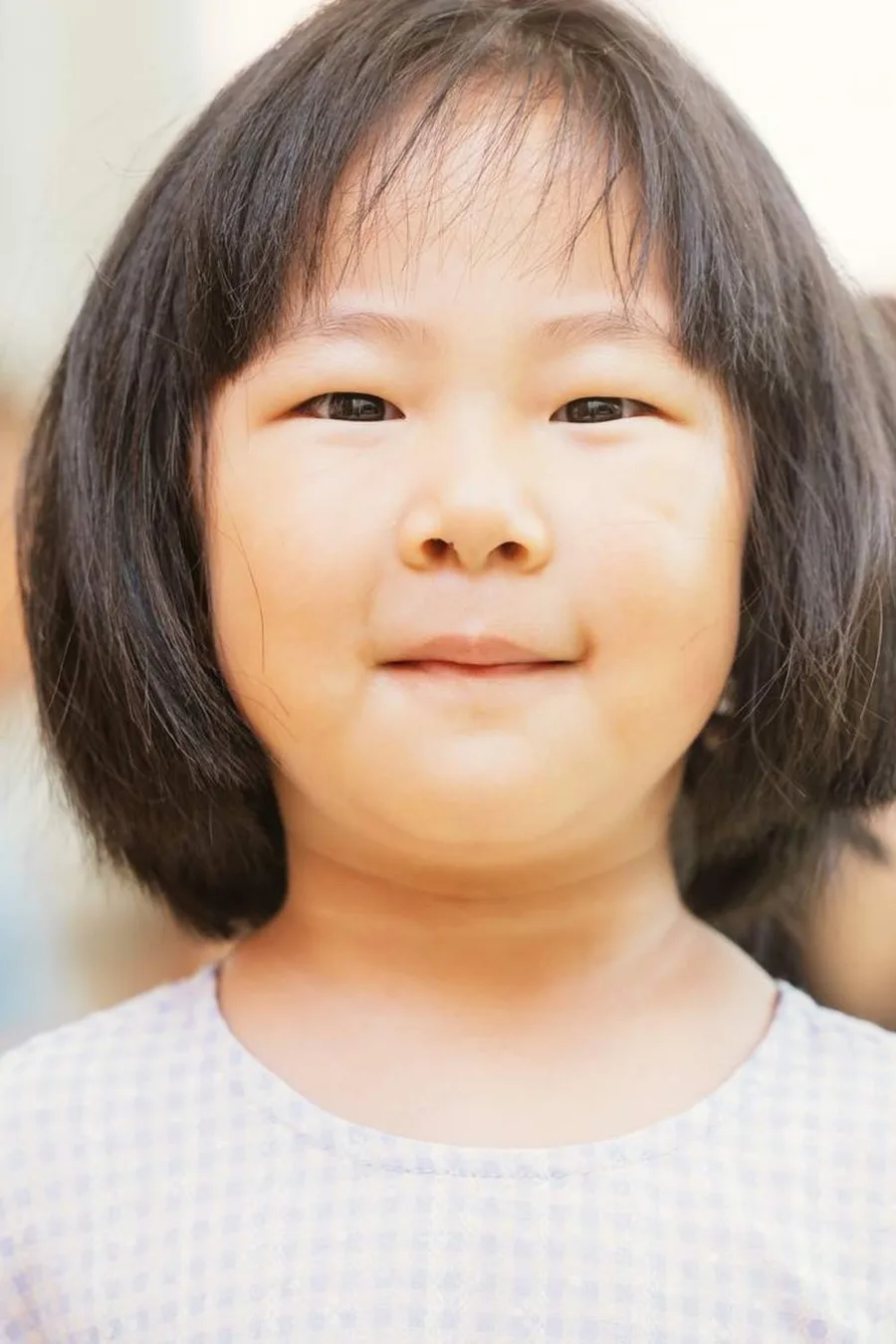
2. The classic toddler bob
The all-rounder: one clean line at chin to jaw length, no layers to fuss over, and ends that flip under or out depending on the day. It suits straight to wavy, fine to medium hair and every face shape. The length sits around 4–6 inches (10–15 cm), cut evenly all around. Maintenance is low; the blunt line grows out evenly for weeks. Ask for: a classic chin-length toddler bob, one length, no layers.
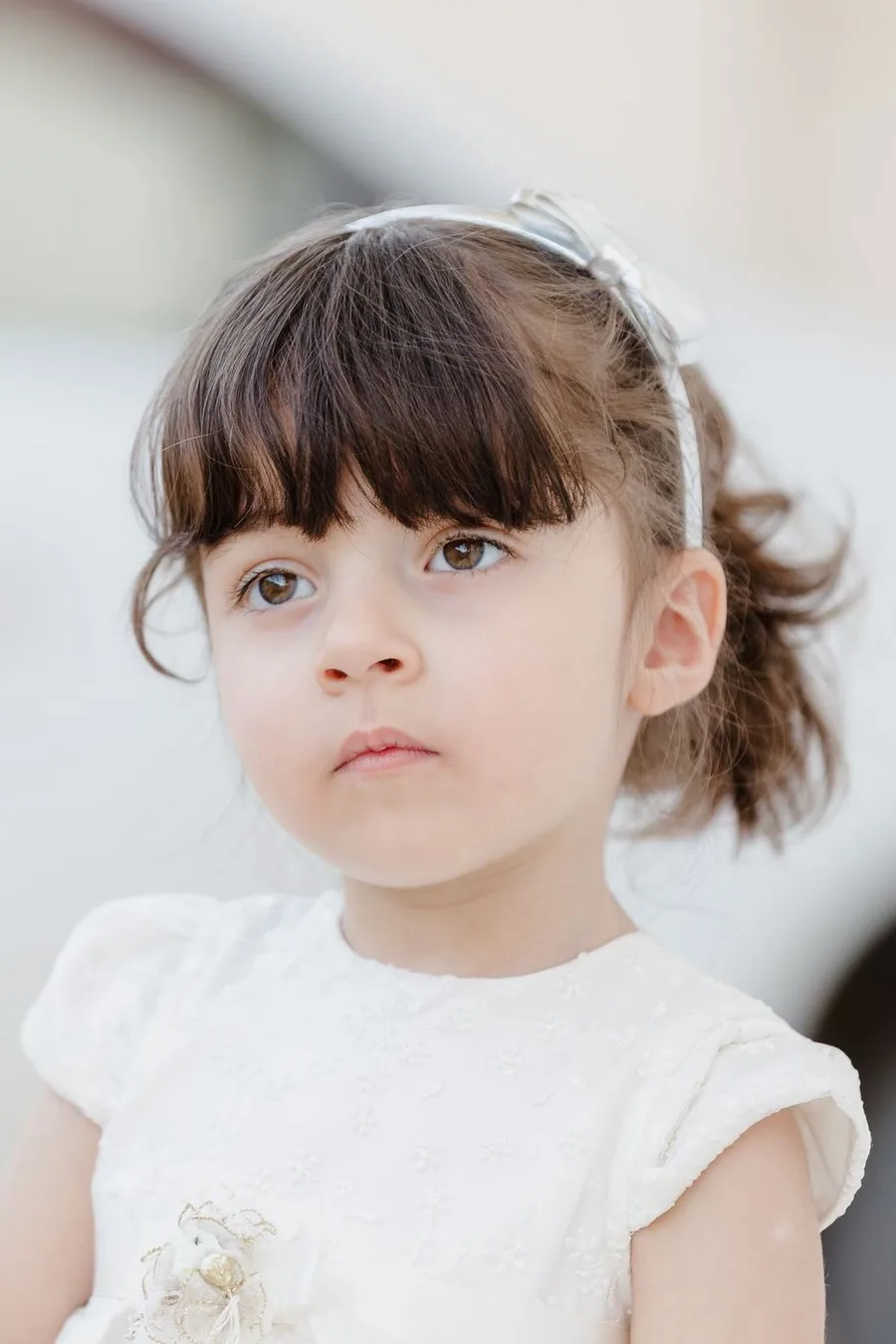
3. Bob with straight-across bangs
The bob plus a soft, straight-across fringe (called bangs in the US) that keeps hair out of her eyes and adds instant character. It suits straight to lightly wavy hair and round or oval faces. The bob stays 4–6 inches (10–15 cm) and the fringe is cut long — just above the eyebrows, never shorter — so it still looks sweet as it grows. Maintenance is low to medium: fringes need a quick trim every few weeks. Ask for: a toddler bob with a soft straight fringe, cut long.
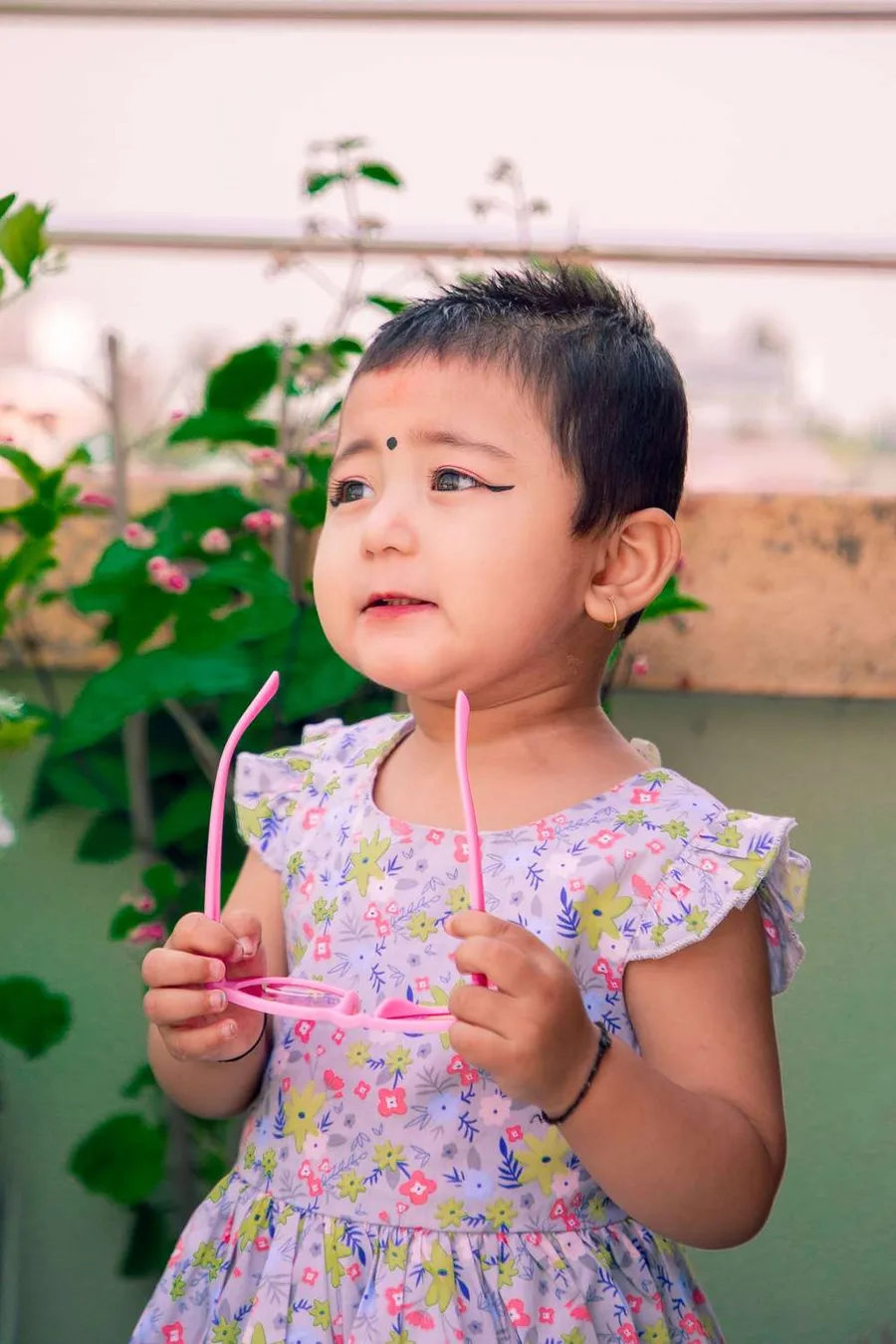
4. The toddler pixie
Short all over with soft, wispy edges — nothing sharp, nothing clippered hard — for toddlers whose fine hair looks fuller short, or who simply will not tolerate hair on their necks. It suits fine to medium, straight to wavy hair and small features. The length is 2–3 inches (5–8 cm) on top, shorter and soft at the sides. Maintenance is low day to day, though short cuts show growth sooner, so expect a tidy every couple of months. Ask for: a soft toddler pixie with wispy edges, scissors only.
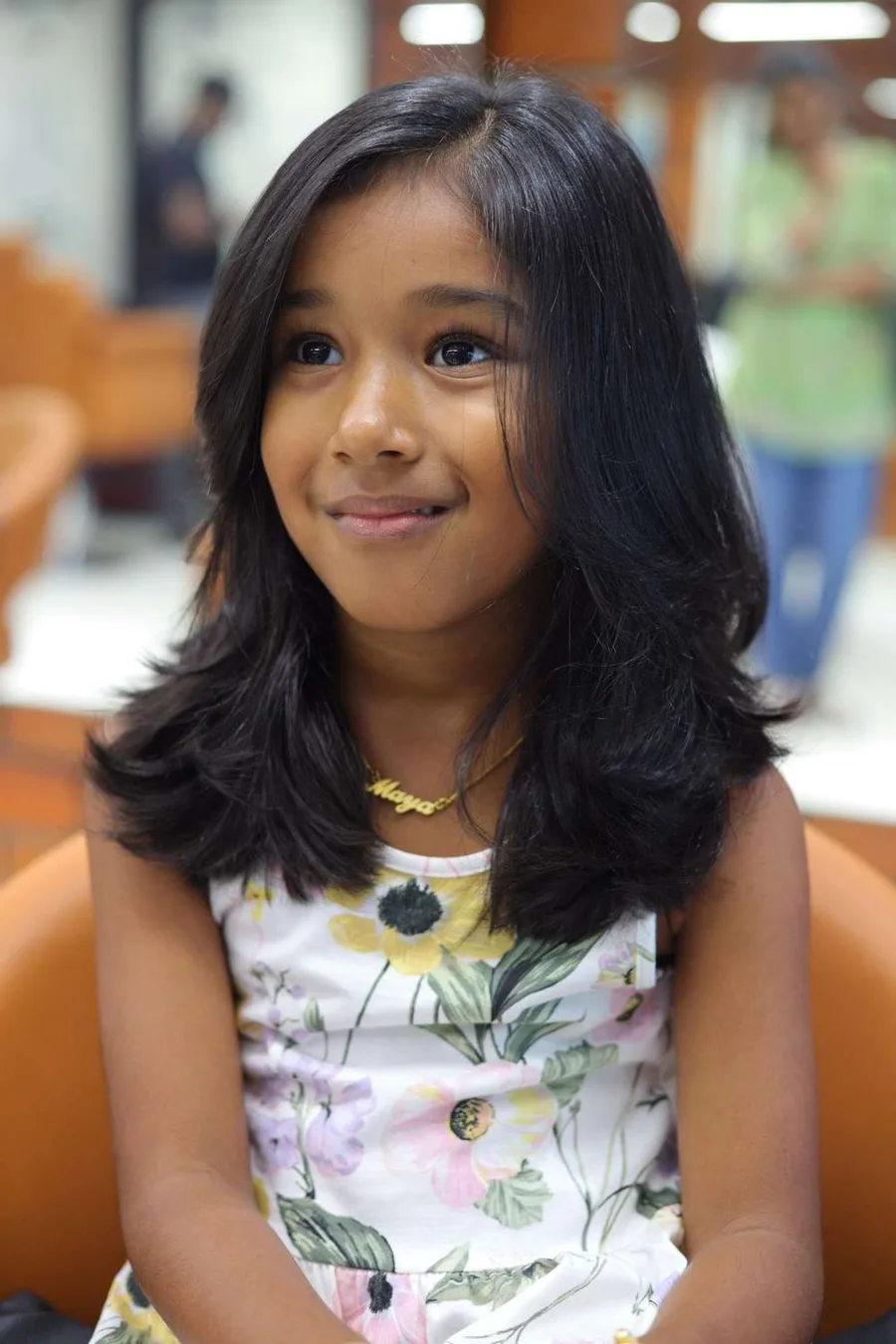
5. Shoulder-length cut with soft layers
For toddlers blessed with plenty of hair: a shoulder-length cut with a few soft layers through the ends so it moves instead of hanging in one heavy curtain. It suits wavy to straight, medium to thick hair. The length runs 7–9 inches (18–23 cm), with the shortest layer around chin level. Maintenance is low — layers forgive growth — but longer toddler hair does mean detangling duty. Ask for: shoulder length with soft layers just through the ends.
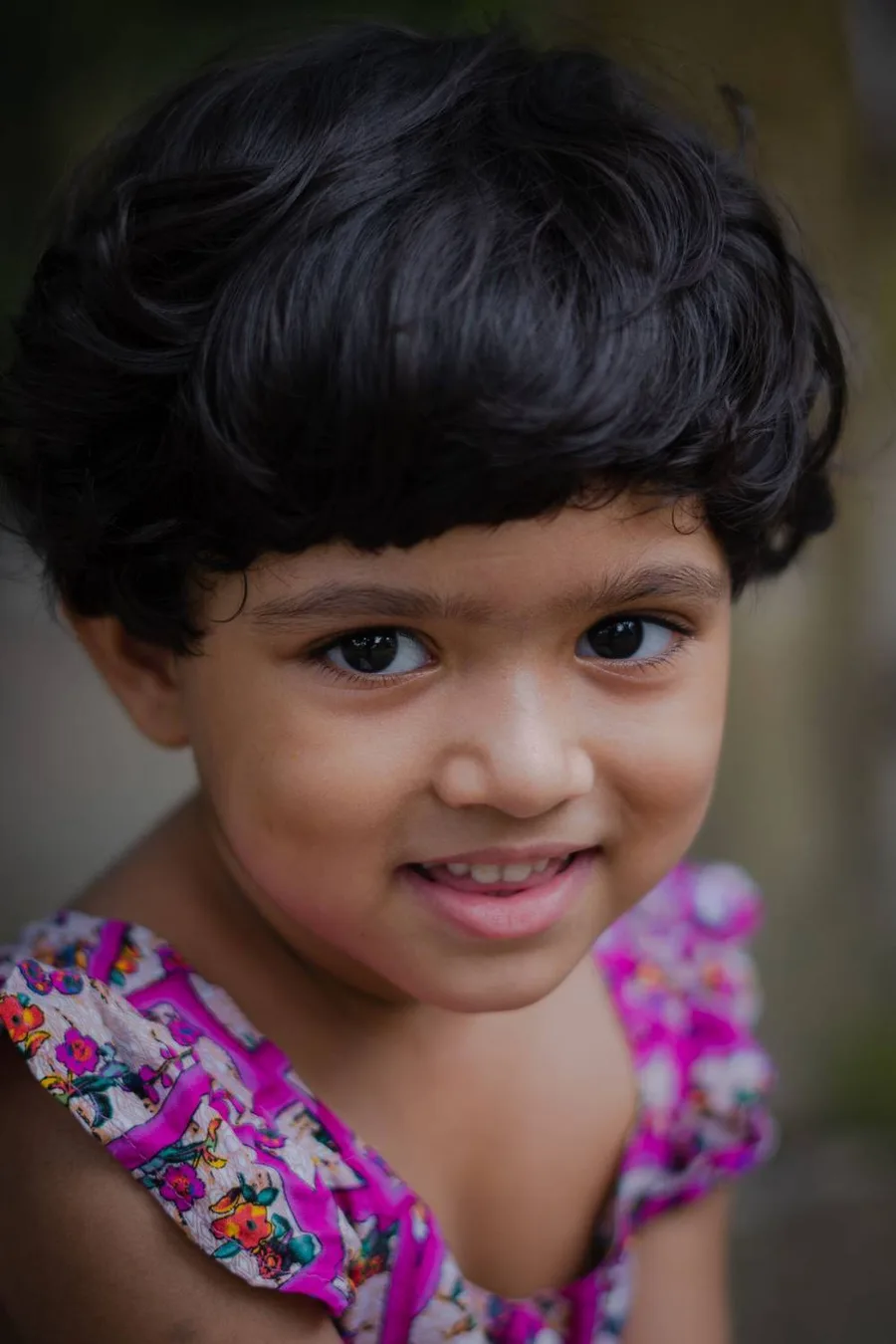
6. The curly toddler shape-up
Curly toddler hair should be cut dry, in its natural curl pattern, one curl family at a time — wet-stretching curls and cutting straight is how accidental pixies happen. This shape-up tidies the outline, lifts weight from the ends and lets the curls spring. It suits all curl patterns and densities. The length stays close to what she has, usually 4–7 inches (10–18 cm) stretched. Maintenance is low. Ask for: a dry curly shape-up — please don’t straighten it first.
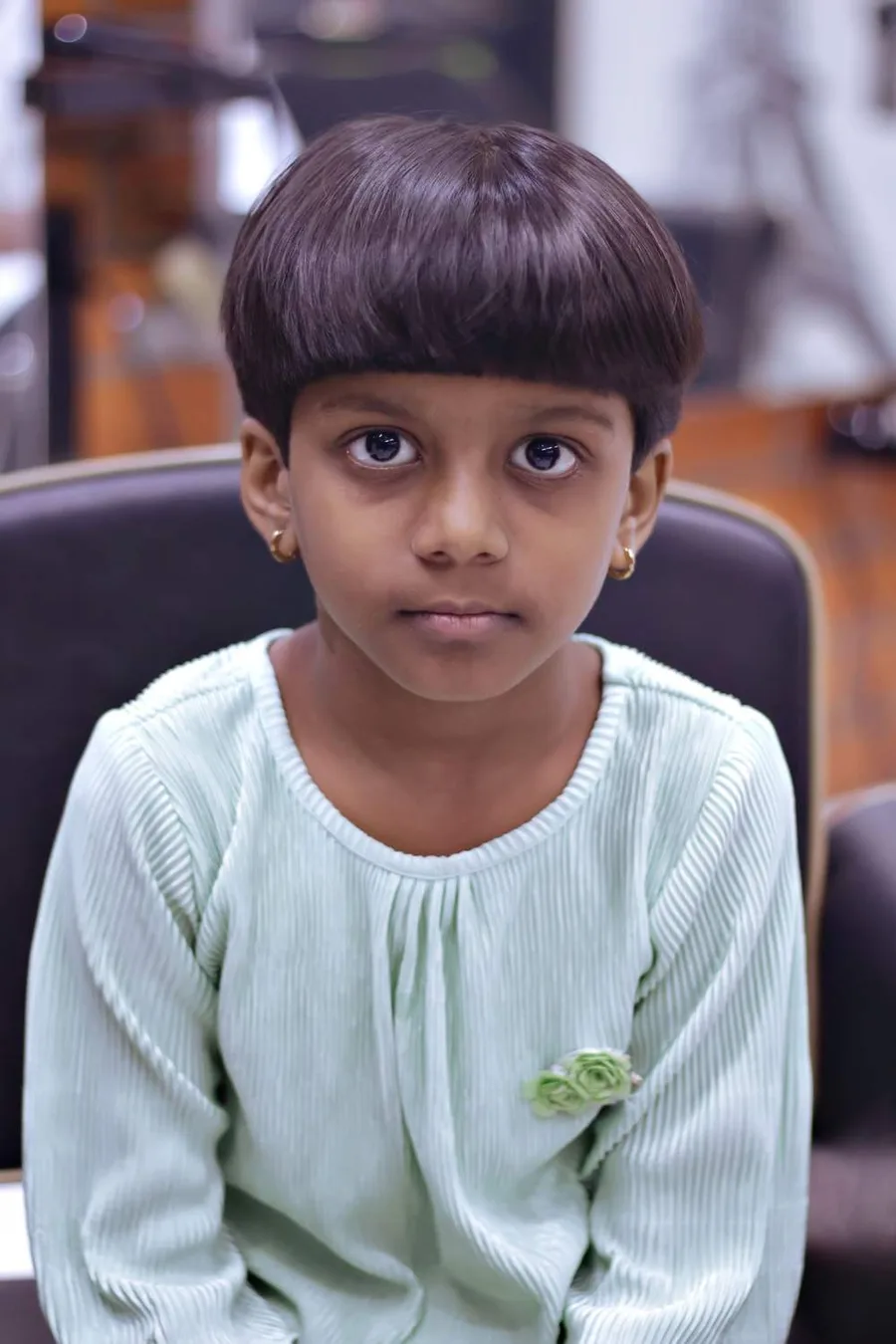
7. The chin-length pageboy
A rounded bob that curves gently under at the ends, often with a soft full fringe — tidy, classic, and very forgiving of fine hair because the rounded line makes ends look thicker. It suits straight to lightly wavy hair and round, oval or heart faces. The length is 4–5 inches (10–13 cm), with the edge bevelled under. Maintenance is low to medium; the shape holds well between trims. Ask for: a chin-length pageboy bob, softly rounded under.
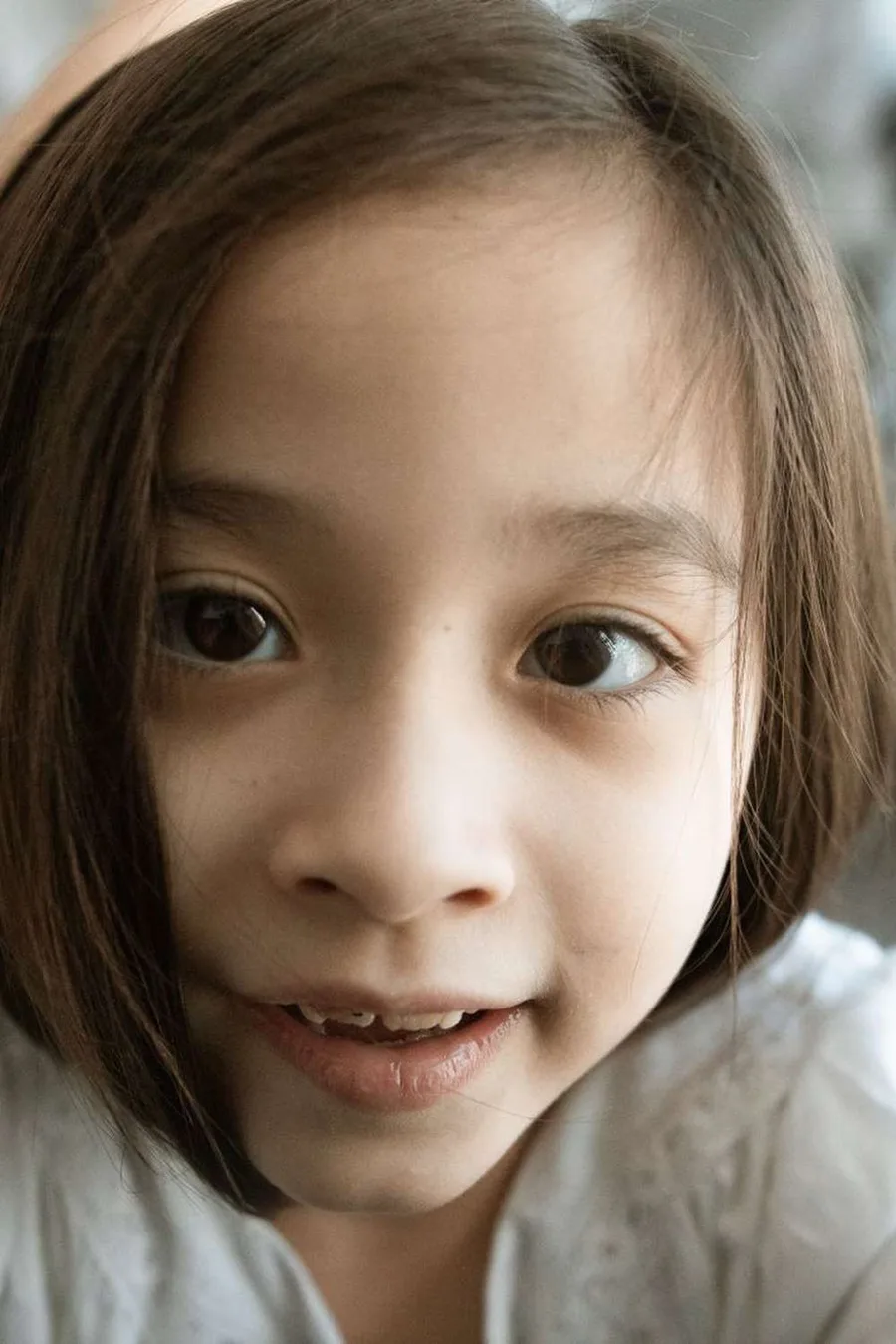
8. Bob with a side-swept fringe
The grow-out strategist’s bob: a side part and a longer, side-swept front section instead of a straight fringe, so nothing pokes her eyes between appointments. It suits straight to wavy hair and all face shapes. The bob sits at 5–6 inches (13–15 cm) and the front sweeps from a deep-ish side part. Maintenance is low — this is the fringe option that forgives a skipped trim. Ask for: a toddler bob with a side-swept fringe, cut long.
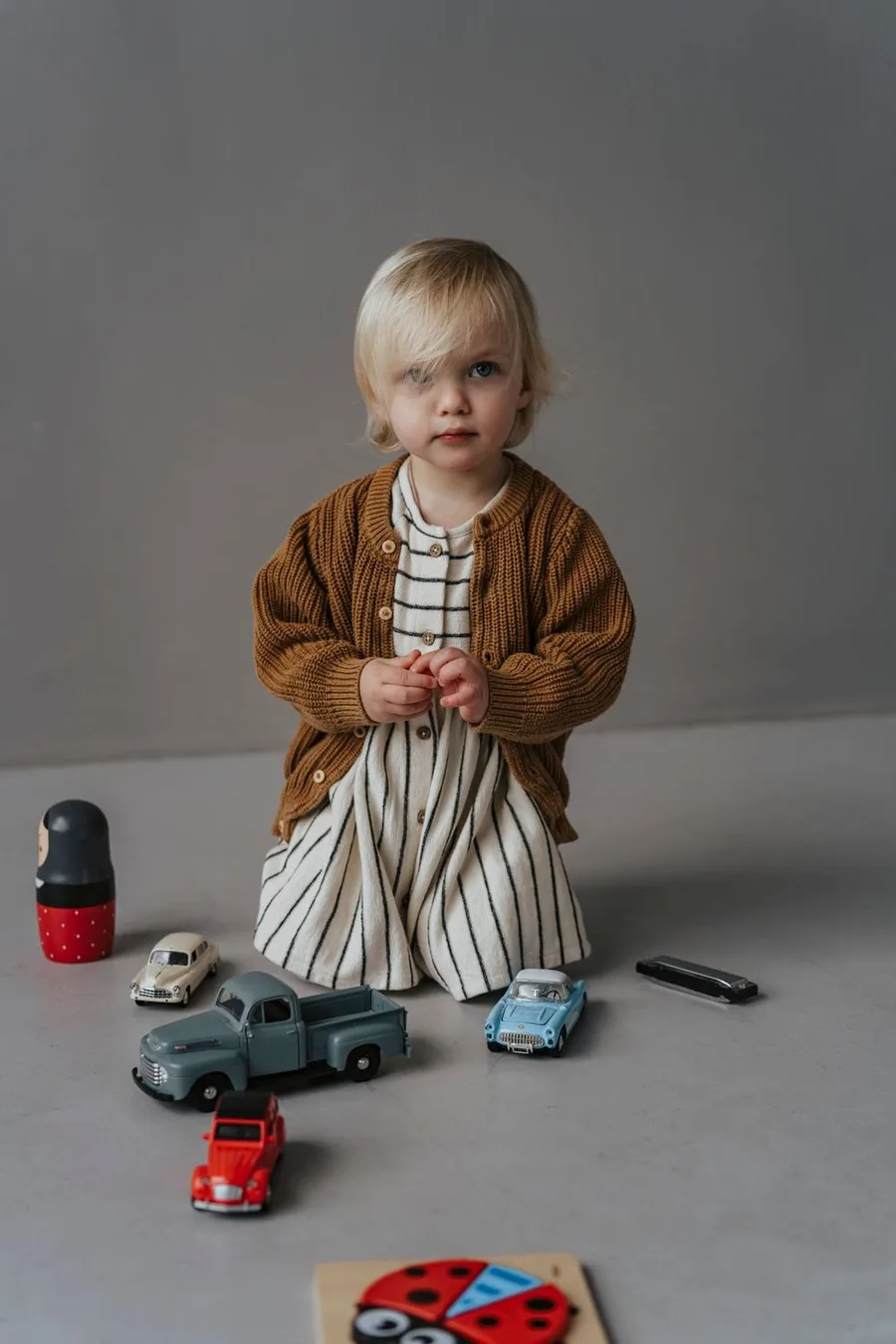
9. The short crop for fine toddler hair
Fine, wispy toddler hair often looks thinnest when it is long; a short, soft crop keeps the ends together so the hair reads fuller and stops tangling at the nape. It suits fine, straight to wavy hair and is a gift for toddlers who hate hair-brushing. The length is 3–4 inches (8–10 cm), scissored soft all over. Maintenance is low. Ask for: a short, soft crop to make fine hair look fuller.
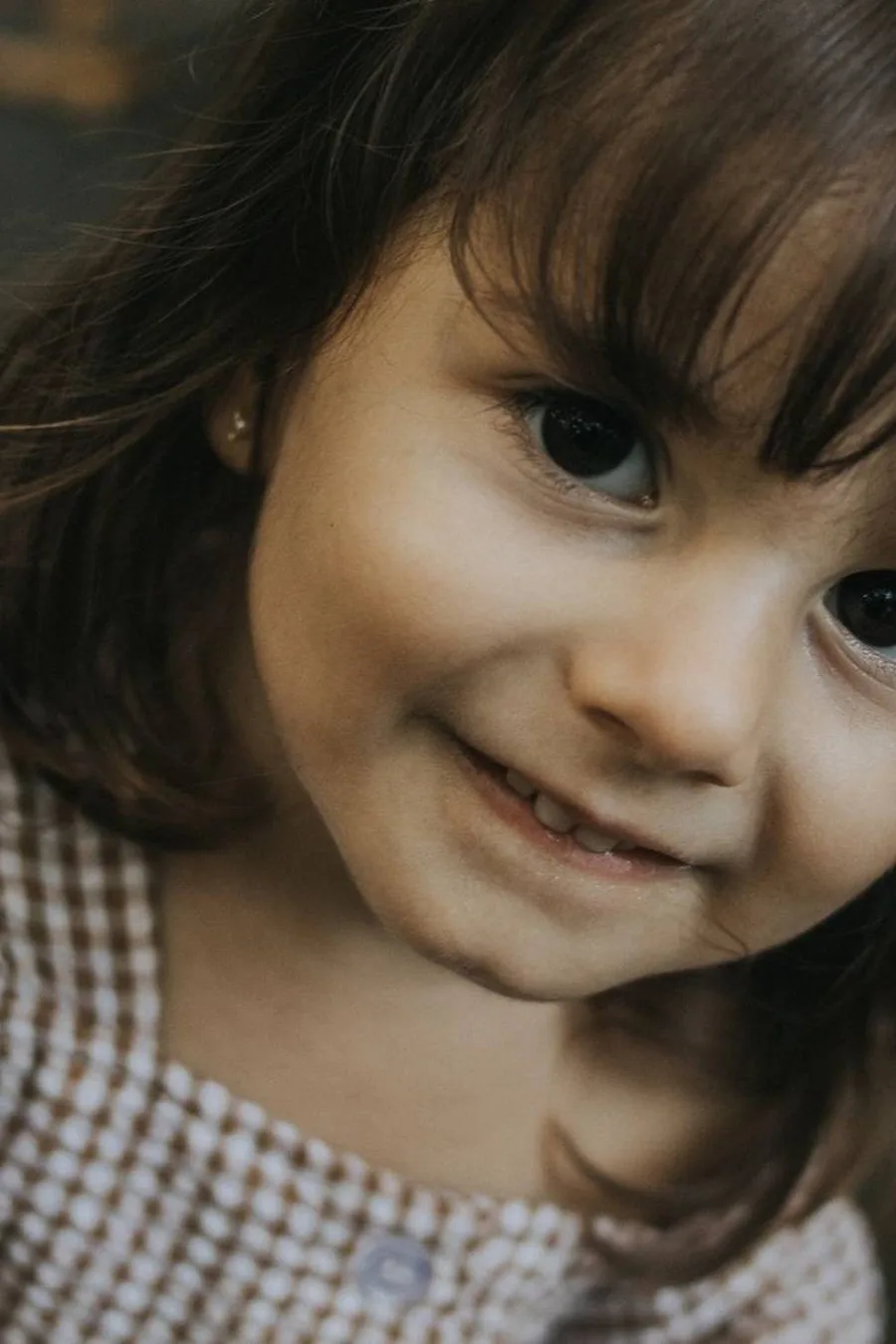
10. The wavy toddler lob
A longer bob — a lob — left around the shoulders with the ends softened so natural waves can do their thing. It suits wavy hair (and straight hair that bends) of medium density, on toddlers patient enough for a slightly longer appointment. The length is 6–8 inches (15–20 cm). Maintenance is low to medium: waves hide grow-out lines, but longer ends need gentle detangling after washes. Ask for: a wavy toddler lob with softened ends.
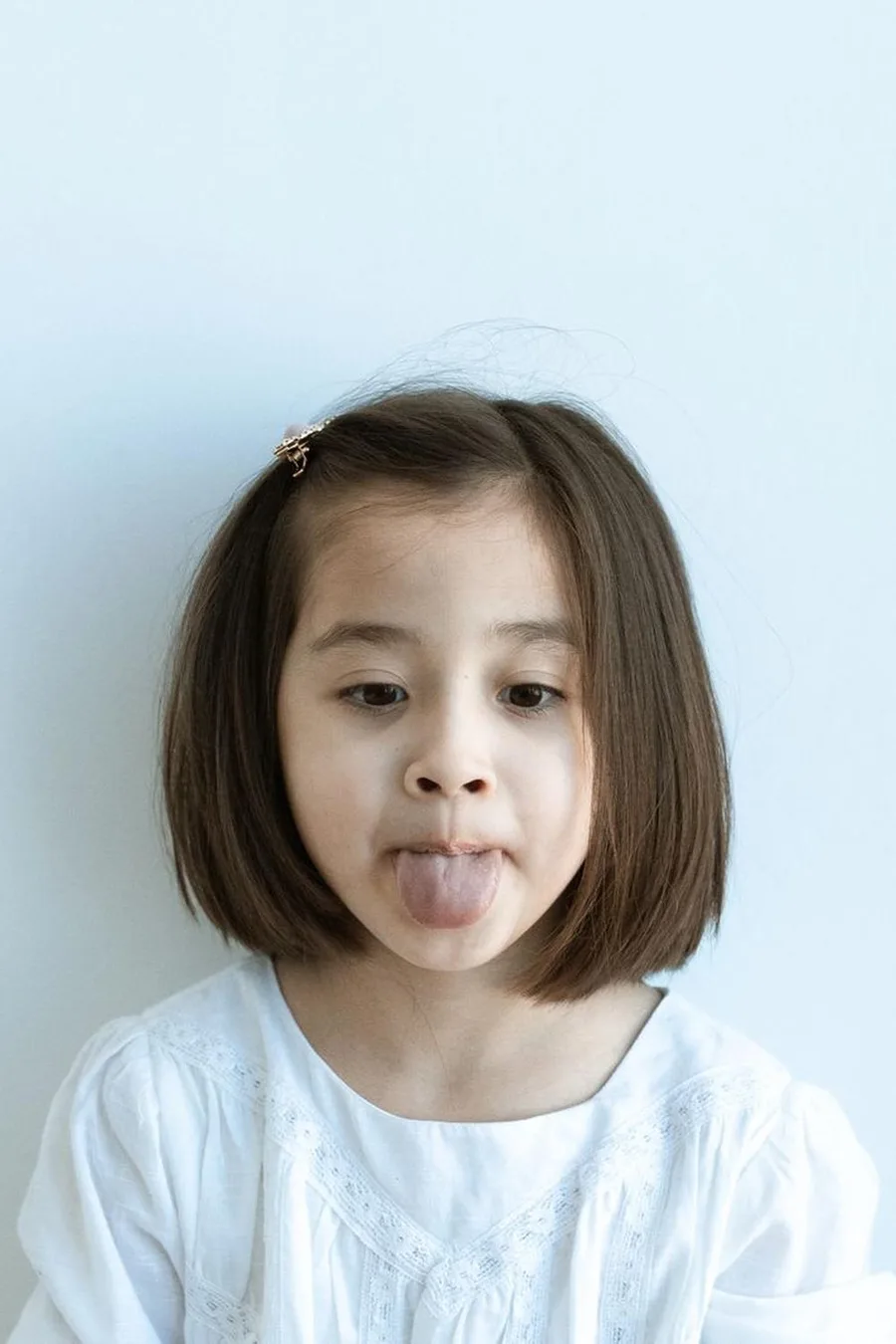
11. The easy blunt bob that grows out kindly
One even line, no fringe, no layers — the cut for parents who know the next appointment might be a while. Because nothing is precision-cut, nothing looks “overdue”: it simply becomes a longer bob over the months. It suits straight to wavy, fine to thick hair and every face. Start at 5–6 inches (13–15 cm), chin to jaw length. Maintenance is the lowest on this list. Ask for: a simple one-length bob, no fringe, no layers.
How to choose a toddler haircut
Start with cooperation, not aesthetics. A wiggly two-year-old needs a cut that is finished in ten minutes and still looks fine if the last section is slightly uneven — blunt bobs, crops and pixies forgive movement; precision fringes and heavy layering do not. Choose the cut that survives the toddler she is, not the statue you wish she were.
Match the cut to her hair type honestly. Fine hair looks fuller in blunt, shorter shapes; thick hair needs soft layers or length to weigh it down; curls need dry cutting and room to spring. Our guide to kids’ hair by type walks through fine, thick and curly toddler hair in more detail.
Finally, plan the grow-out, because toddler appointments slip. Fringes need trimming every few weeks or they reach her eyes; one-length cuts and side-swept fronts buy you months. If you know salon visits will be rare, pick from the low-maintenance end of this list and say so to the stylist — they will soften every line accordingly.
What to ask your stylist
Keep it to one calm sentence and a photo. For example: “We would like a chin-length bob, about 5 inches (13 cm), one length with a soft side-swept fringe — and please keep it quick and simple for a first-timer.” Mention her hair type, how she usually reacts to new places, and anything that helps — a favorite snack, a show on your phone, sitting on your lap. A good kids’ stylist would rather have that information than perfect stillness.
Frequently asked questions
When should a toddler have her first haircut?
When the hair needs it, not at a set age: when it falls into her eyes, tangles badly at the back, or grows very unevenly. Some toddlers are ready before their first birthday, others not until they are two or three. There is no developmental deadline — a first trim is a tidy-up, not a milestone to force.
How do I keep a toddler still for a haircut?
You mostly don’t — you make stillness less necessary. Book morning slots when she is rested and fed, bring a snack and a screen, let her sit on your lap, and choose a quick, forgiving cut. Kids’ salons with novelty chairs help some toddlers; others do better somewhere quiet with a patient stylist. A ten-minute simple cut beats a twenty-minute perfect one.
Should toddler curly hair be cut wet or dry?
Dry, ideally. Curls spring up significantly when dry, so hair cut wet to a target length usually dries much shorter than planned. A dry shape-up, cut curl by curl in its natural pattern, keeps the length you agreed on and respects how the curls actually sit day to day.
How often do toddler haircuts need trimming?
It depends on the cut. Straight fringes need a tidy every 3–4 weeks; bobs and longer cuts every 8–12 weeks; short pixies and crops every 6–8 weeks to keep their shape. Cuts designed to grow out — one-length bobs and side-swept fronts — can stretch the longest between visits.
The best toddler haircut is the one she barely notices happening: quick, comfortable, and easy to live with until the next one. Shortlist two or three favorites, save the photos, and tell the stylist about her temperament as honestly as her hair type. The cute part takes care of itself.
Keep exploring
- Toddler & First Haircuts — the collection this post belongs to, including first-haircut advice.
- Girls’ Haircuts — more cuts for girls as she grows out of the toddler stage.
- Kids’ Hair by Type — choosing cuts for fine, thick and curly hair.
- School Hairstyles — quick, neat styles for when school and nursery days begin.
Save your favourite styles and follow DreamyTrims on Pinterest for new haircut ideas every week.