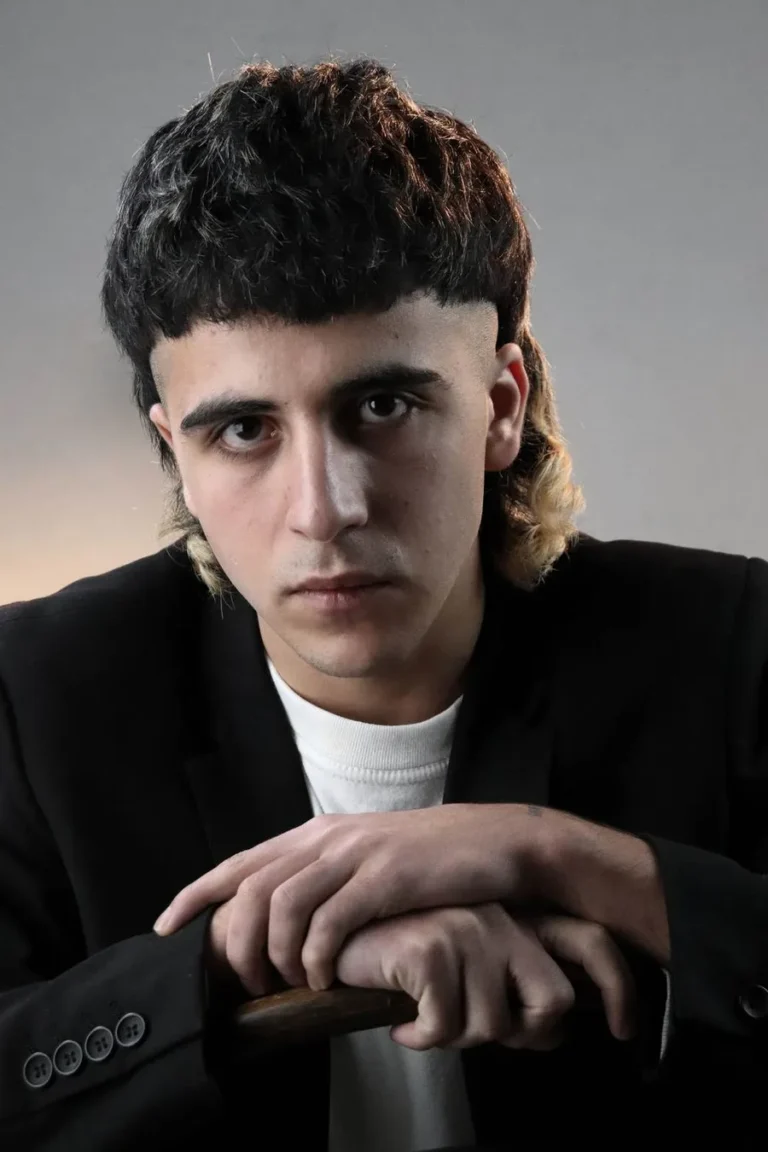
13 Best Wolf Cut Ideas for Men (Soft & Curly)
The wolf cut is the men’s haircut of the moment for a reason: choppy layers on top, length kept at the back, and a shape that looks better slightly messy than perfectly styled. These 13 wolf cut ideas for men run from the soft, office-safe version to long, curly and full-shag cuts — each with its length, its upkeep level, and the exact words to ask your barber.
The wolf sits in the same family as the mullet and the shag, but it is its own cut: more layering through the crown, a softer outline, and no hard disconnect. Browse the wider texture family in our men’s haircuts by hair type collection, or read this list first if the wolf is the one you keep saving photos of.
Quick picks — the shortlist
- The classic soft wolf cut — the balanced, wearable starting point.
- The curly wolf cut — the version natural curls were made for.
- Wolf cut with tapered sides — the cleanest, most office-friendly take.
- The low-maintenance wolf — cut to grow out well between barber visits.
13 wolf cut ideas to show your barber
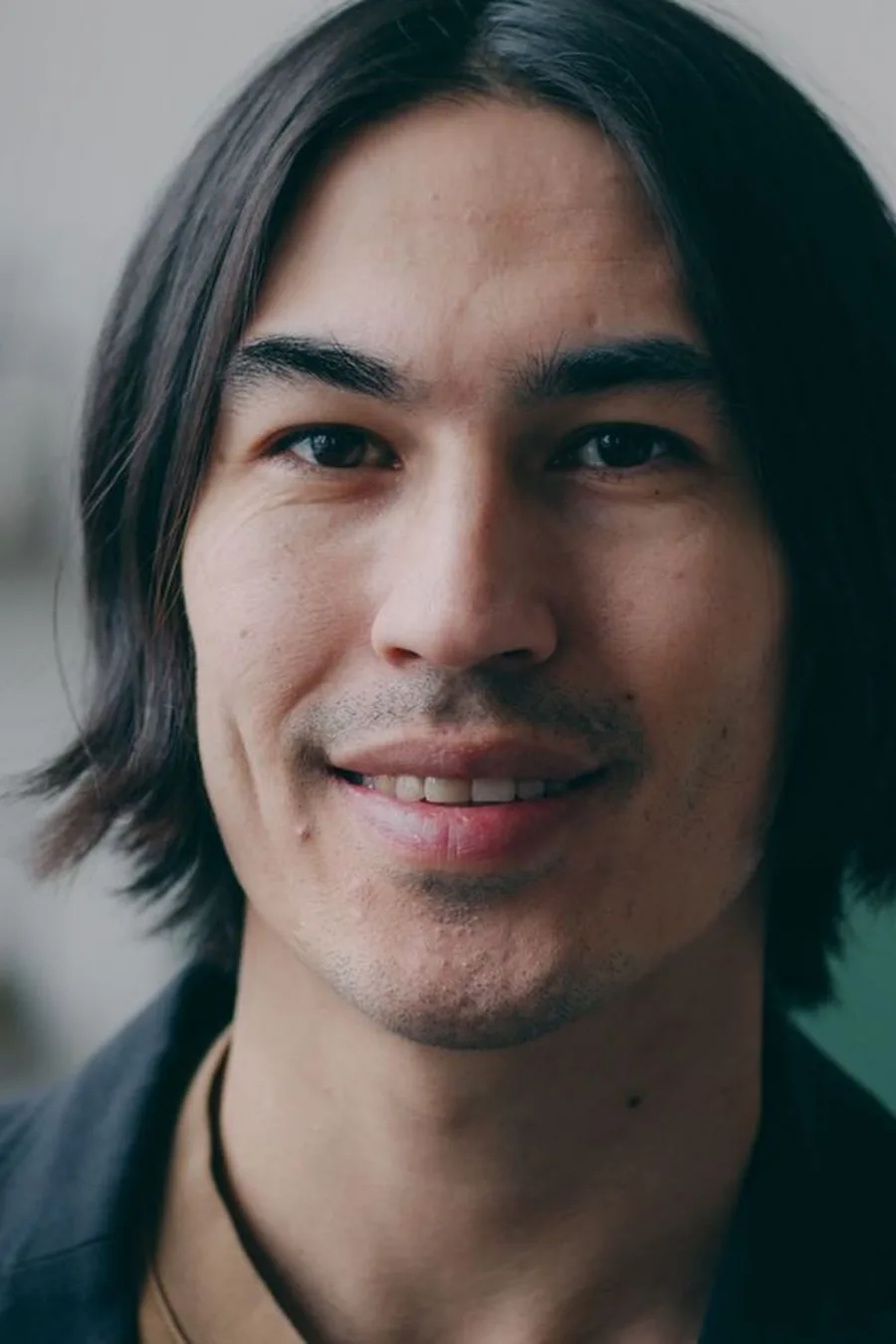
1. The classic soft wolf cut
The textbook wolf: medium length all over, choppy layers through the crown, a soft fringe that parts in the middle, and the back kept long enough to flick over the collar. It suits straight to wavy hair and oval, square or heart faces. The top runs 4–6 inches (10–15 cm), with the back around 6–8 inches (15–20 cm). Maintenance is low to medium — it is meant to look lived-in. Ask for: a soft wolf cut with choppy layers and a natural finish.
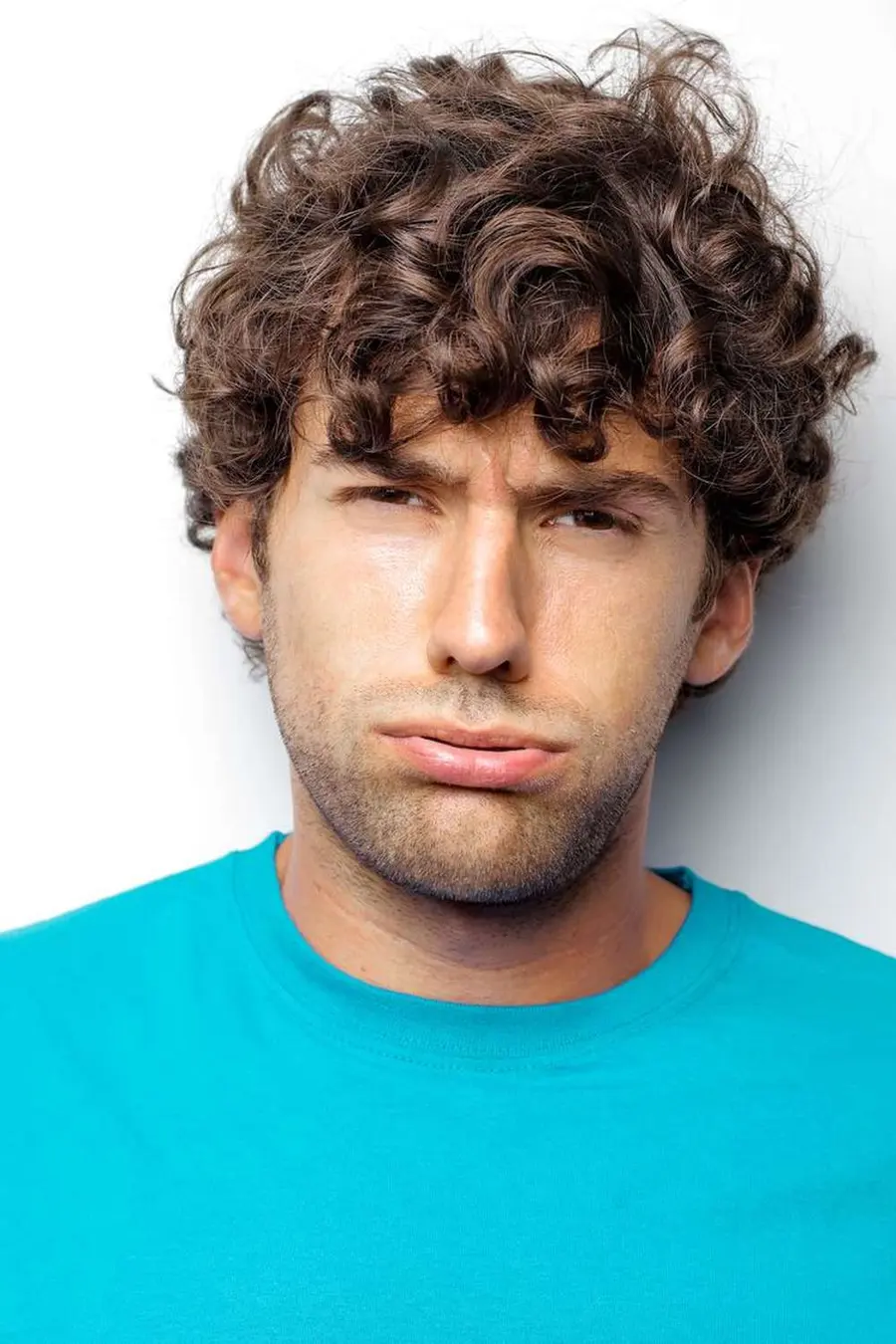
2. The curly wolf cut
Cut dry so each curl is placed deliberately, with short, stacked layers on top and the length left to curl down at the back. It suits naturally curly hair of any density and round, oval or square faces, since the crown height adds length to the face. The top sits at 3–5 inches (8–13 cm) once the curls spring up; the back reaches 5–7 inches (13–18 cm). Maintenance is low: curls hide growth lines. Ask for: a dry-cut curly wolf cut with layered volume on top.

3. The long curly wolf cut
The dramatic end of the curly family: shoulder-brushing curls at the back, shorter choppy layers stacked through the top, and a fringe that falls in separated curl pieces. It suits thick, curly hair and oval or long faces that can carry the width. Length reaches 8–10 inches (20–25 cm) at the back when stretched, springing to around 6–7 inches (15–18 cm) dry. Maintenance is medium — the shape is forgiving but the ends need regular care. Ask for: a long curly wolf cut with short layers on top.

4. The wavy wolf cut
Natural waves do half the styling here: medium layers follow the wave pattern so the hair stacks and flicks instead of lying flat, with a light beard-friendly neckline kept scissor-soft. It suits wavy, medium to thick hair and most face shapes. The top is 4–6 inches (10–15 cm) and the back 6–8 inches (15–20 cm). Maintenance is low to medium — a scrunch and air-dry is the daily routine. Ask for: a wavy wolf cut, layered to follow my natural wave.
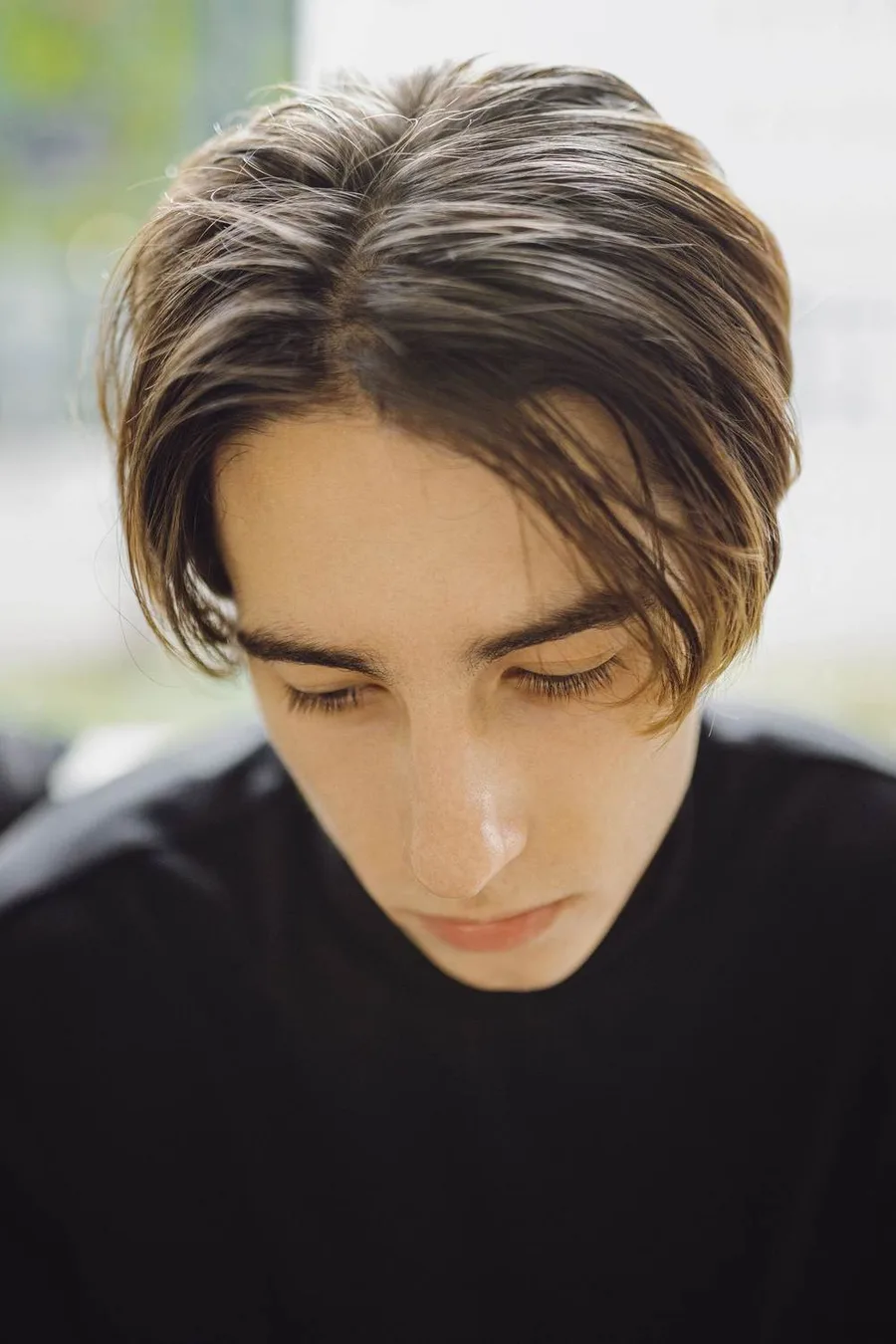
5. Wolf cut with a curtain fringe
The front is the feature: a center-parted curtain fringe that opens at the cheekbones and melts into the layered sides, while the back keeps its long, flicked wolf length. It suits straight to wavy hair and oval, heart or square faces. The fringe pieces run 4–5 inches (10–13 cm), the top 4–6 inches (10–15 cm), and the back around 7 inches (18 cm). Maintenance is medium: the fringe needs to be pushed into place daily. Ask for: a wolf cut with a curtain fringe.
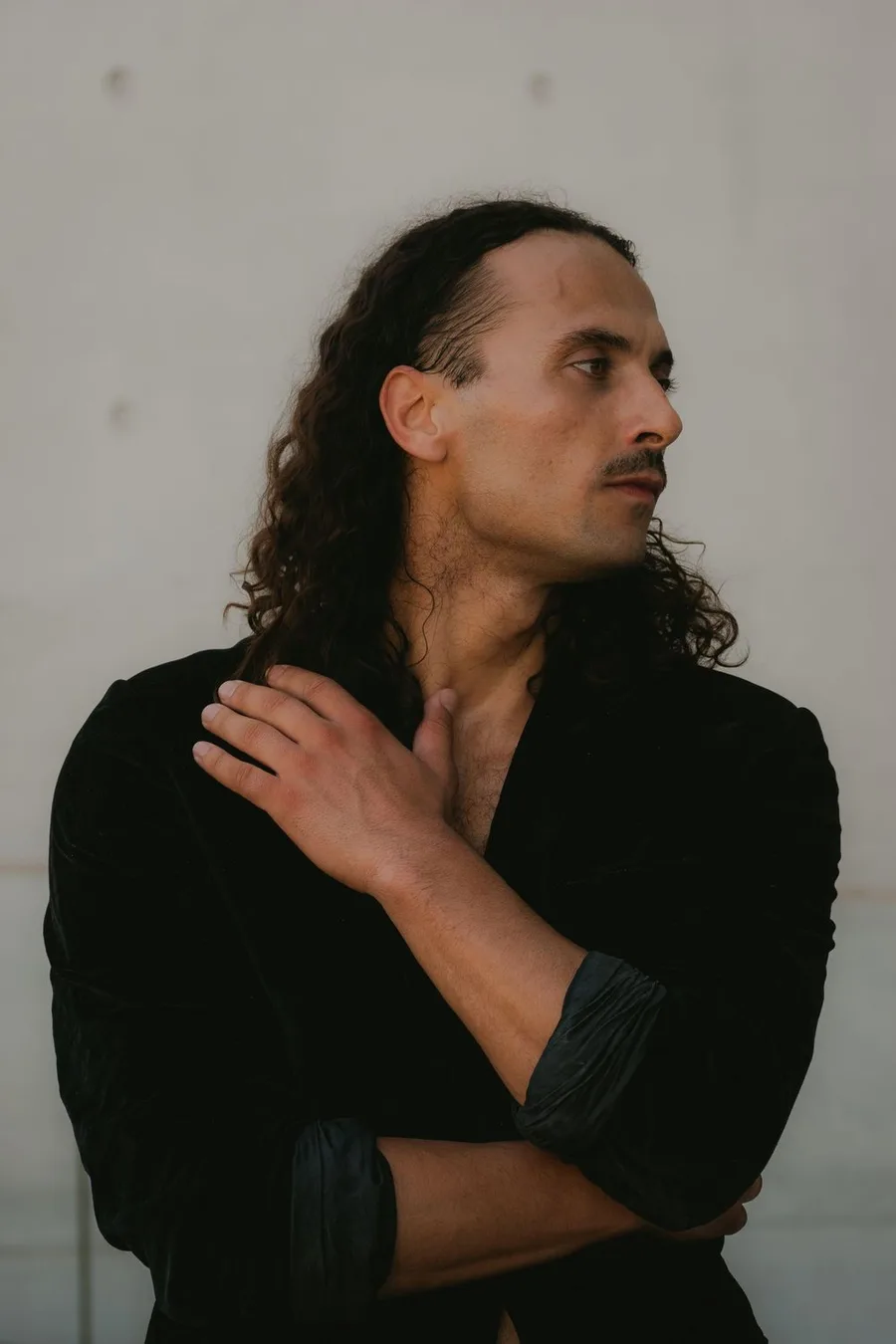
6. The long wolf cut
Everything stretched: longer layers from crown to collar, the back reaching past the shoulders, and the sides kept just full enough to avoid a mullet read. It suits thick, wavy to curly hair and oval or long faces. The back runs 9–11 inches (23–28 cm), with the top layered at 5–7 inches (13–18 cm). Maintenance is medium to high, simply because there is more hair to wash, dry and detangle. Ask for: a long wolf cut with layers kept soft, not thinned out.
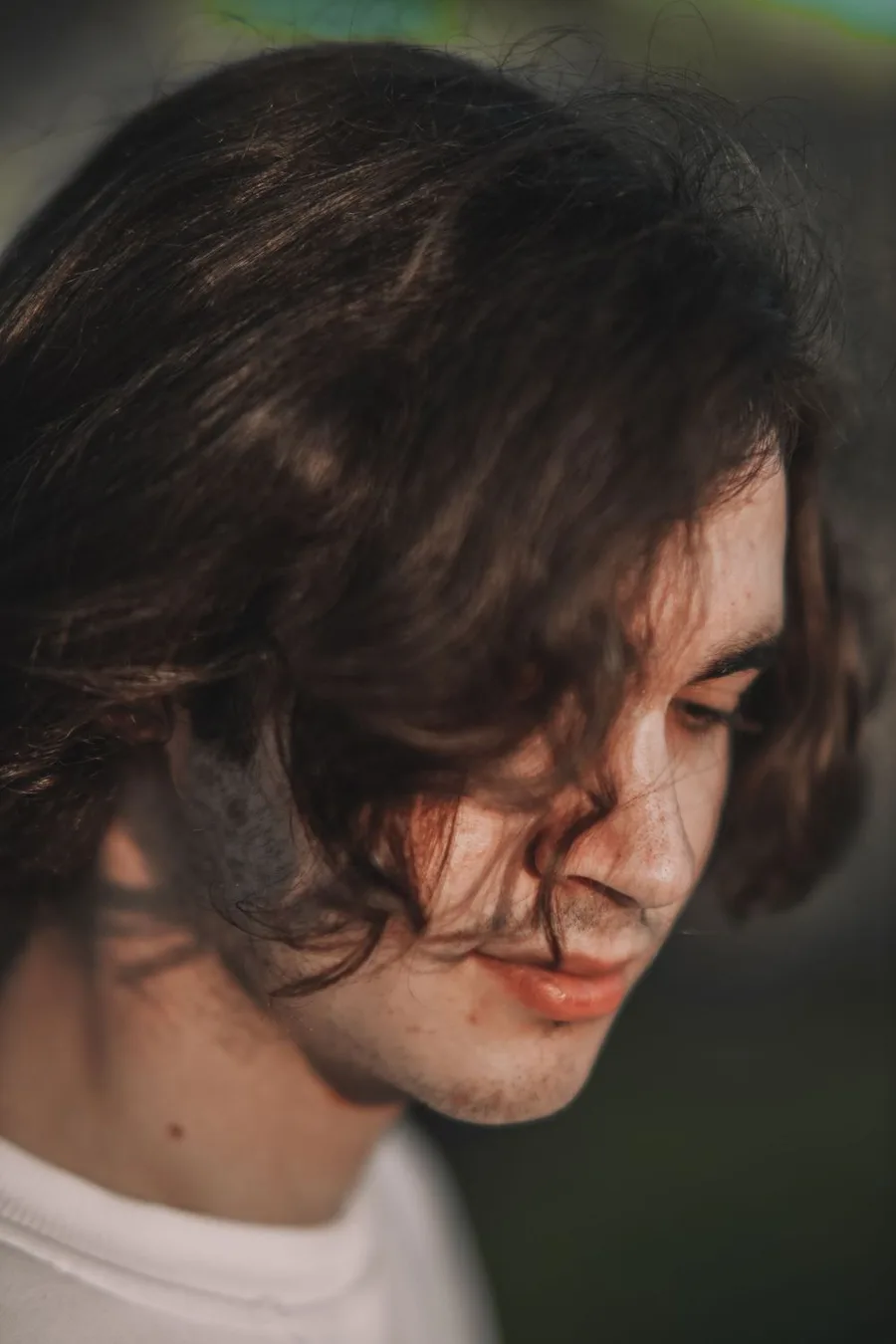
7. Wolf cut with a heavy fringe
A denser take on the front: a full, forward-falling fringe cut from further back on the crown, paired with shaggy layers and a long back. It suits thick, straight to wavy hair and long or oval faces, because the heavy fringe shortens the forehead visually. The fringe is 3–4 inches (8–10 cm), the top 4–5 inches (10–13 cm), and the back 6–8 inches (15–20 cm). Maintenance is medium — that fringe needs a quick daily restyle. Ask for: a wolf cut with a heavy, forward fringe.

8. The soft, beachy wolf
The gentlest version on the list: medium length, feathered layers, sun-friendly texture and nothing sharp anywhere — the wolf for anyone easing in from a standard medium cut. It suits fine to medium, straight to wavy hair and most face shapes. The top is 3–5 inches (8–13 cm) and the back 5–7 inches (13–18 cm). Maintenance is low: it air-dries well and grows out softly for weeks. Ask for: a soft wolf cut with feathered, blended layers.

9. The wavy wolf, heavy at the back
Shown in profile because the back is the point: long, layered length stacked down the neck, with shorter choppy pieces up top and the sides scissored close but never clipped. It suits wavy, thick hair and square or oval faces. The back reaches 7–9 inches (18–23 cm); the top stays at 4–5 inches (10–13 cm). Maintenance is low to medium. Ask for: a wolf cut with extra layered length at the back.

10. The textured wolf with a soft side sweep
Instead of a center curtain, the top sweeps softly to one side — a small change that makes the wolf read tidier and suits glasses wearers, who often fight a center fringe. It suits straight to wavy, medium hair and round or square faces. The top runs 4–5 inches (10–13 cm), the swept front a touch longer, and the back 6–7 inches (15–18 cm). Maintenance is low to medium. Ask for: a wolf cut with the top left to sweep to the side.

11. The grown-out wolf
A wolf a few months past its cut, tidied rather than reshaped: longer, looser layers, the fringe grown down to the cheekbones, and the back at its longest and softest. It suits most hair types and faces, and it is proof the cut fails gracefully. The back sits at 8–10 inches (20–25 cm), the top at 5–7 inches (13–18 cm). Maintenance is low — this is the version you get by simply letting a wolf grow. Ask for: a tidy-up that keeps my grown-out wolf shape.
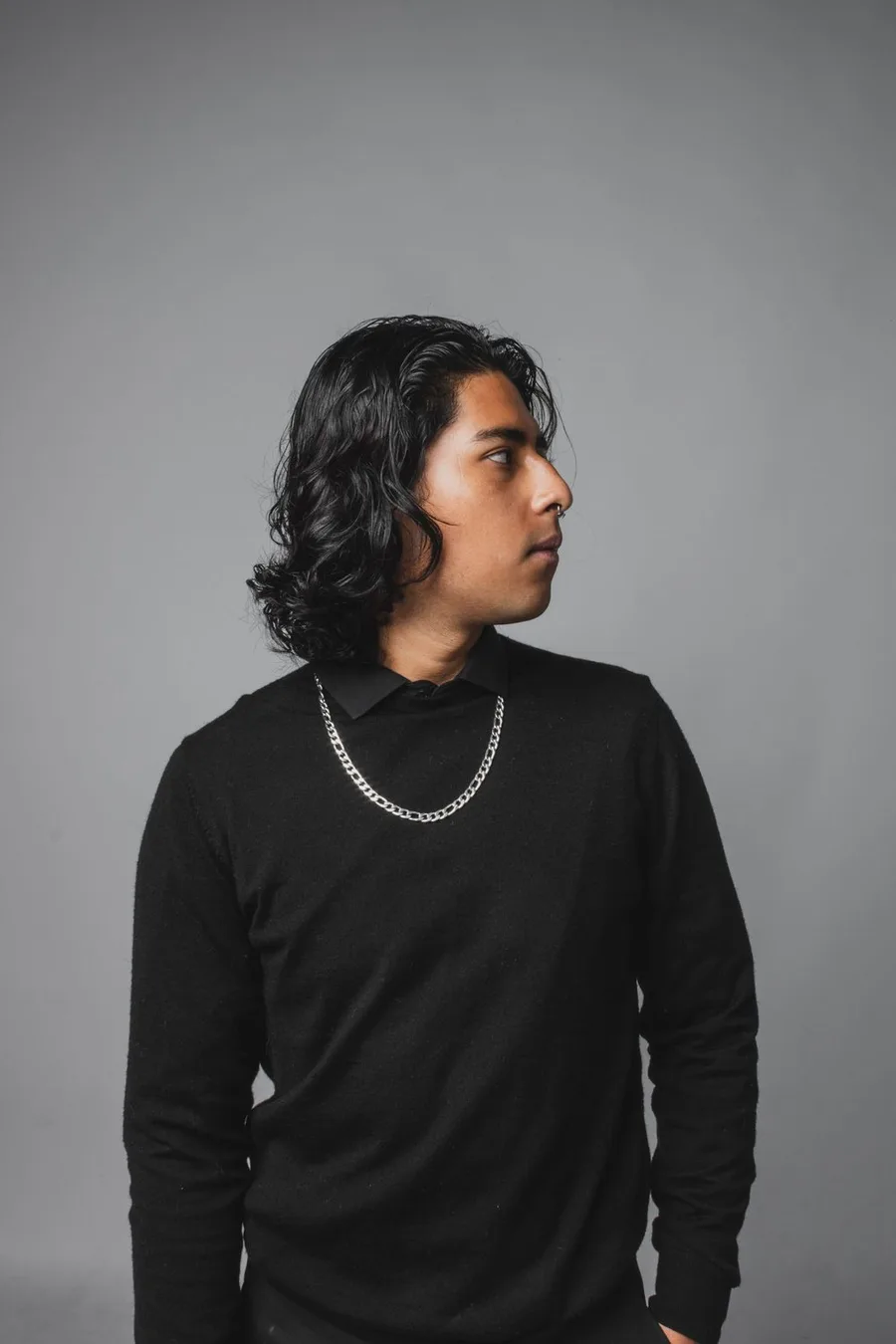
12. Wolf cut with tapered sides
The cleanest wolf: the signature choppy top and long back stay, but the sides are scissor-tapered short so the outline reads sharp from the front. It suits straight to wavy hair and any face shape, and it is the version most likely to pass in a conservative workplace. The sides sit around 1–2 inches (2.5–5 cm), the top 4–5 inches (10–13 cm), and the back 6–8 inches (15–20 cm). Maintenance is medium: the taper needs refreshing. Ask for: a wolf cut with scissor-tapered sides.
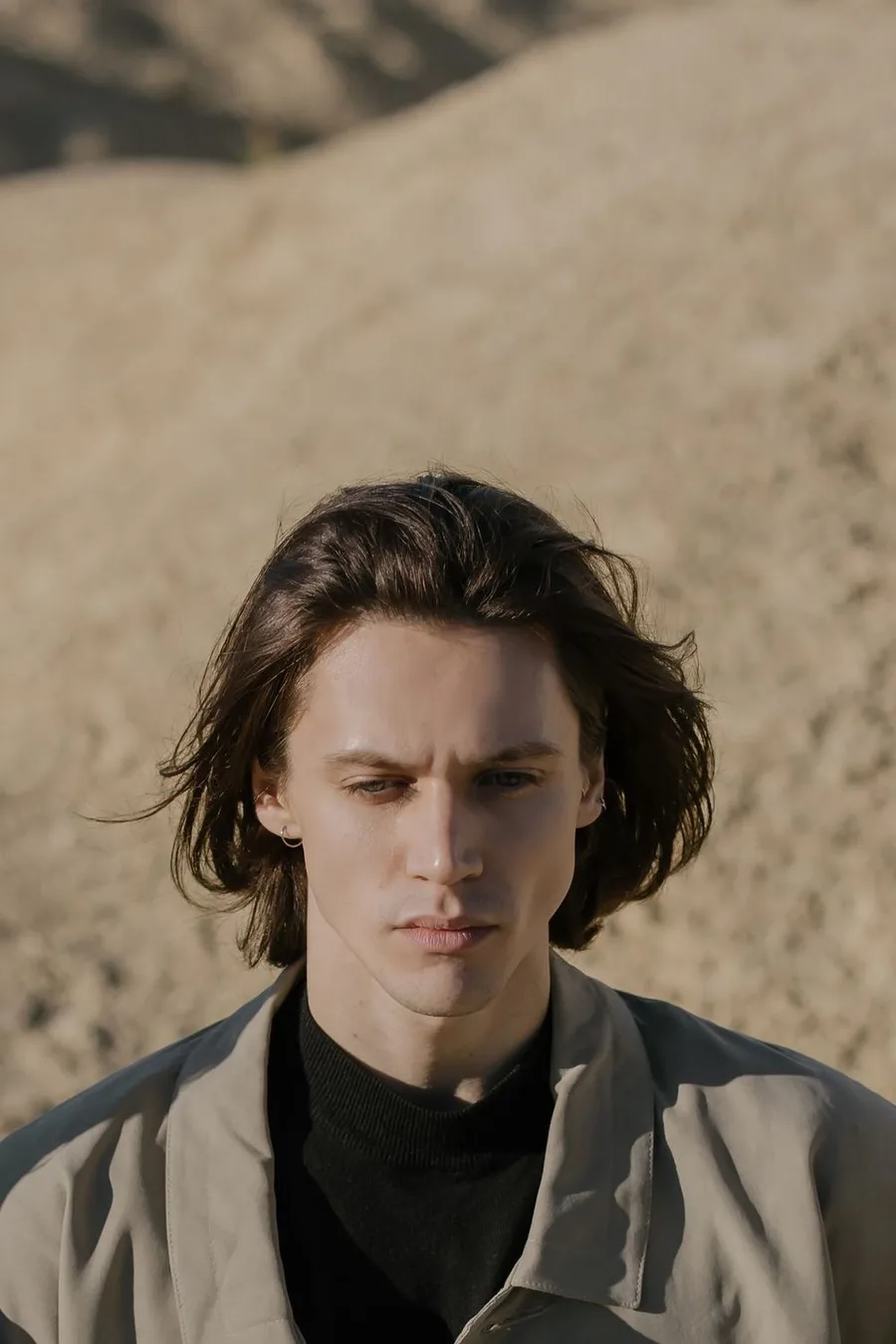
13. The low-maintenance wolf
Designed backwards from the grow-out: medium layers with no precision lines anywhere, so week two and week ten look almost the same. It suits straight to wavy hair of any density and most face shapes. The top is 4–6 inches (10–15 cm) and the back 6–8 inches (15–20 cm). Maintenance is low — wash, towel-dry, push it roughly into place. Ask for: a low-maintenance wolf cut that grows out well.
How to choose your wolf cut
Work out your length budget first. The soft and tapered versions read almost like normal medium haircuts from the front and only show their personality at the back, while the long and heavy-fringe versions are visible from every angle. If your workplace or school has a dress code, start at the shorter end — a wolf can always be grown longer, and the grow-out is famously forgiving.
Texture decides the details. Curly hair needs a dry cut and shorter stacked layers so the shape survives the spring-up; wavy hair wants layers cut to the wave pattern; straight hair needs more point-cutting and texture work or the layers lie flat and the cut reads as a plain shag. Our hair types guide explains how the same cut changes by texture.
Finally, check the back view before you commit. The wolf lives or dies on its back length relative to your neck and collar. Unsure of the proportions for your build? Face and head shape matter too — the men’s face shape guide helps you match the volume placement to your features.
What to ask your barber
Use one sentence that covers the top, the sides and the back. For example: “I would like a wolf cut — choppy layers on top around 5 inches (13 cm), sides scissor-cut and soft, and the back left long at about 7 inches (18 cm), all textured so it can air-dry.” Swap in your version’s numbers, and say how you style it in the morning. Always show a front and a back reference photo: with a wolf, the back view is the one your barber most needs to see.
Frequently asked questions
What is the difference between a wolf cut and a mullet?
Proportion and finish. A mullet is a clear two-length cut — short front and sides, long back — often with a visible disconnect. A wolf cut blends those lengths with heavy layering all over, keeps more fullness at the sides, and has a softer, shaggier outline. Think of the wolf as the mullet’s layered, blended cousin.
Does a wolf cut work for thin or fine hair?
It can, with care: keep the back shorter so the ends do not string out, ask for texture at the crown rather than thinning, and avoid heavy razor work that removes density. Be honest with your barber about coverage at the hairline — the soft and tapered versions on this list are the safest fine-hair options.
How long does hair need to be for a wolf cut?
You need medium length to start: roughly 4 inches (10 cm) on top and enough at the back to layer, around 5–6 inches (13–15 cm). If your hair is shorter, the soft wolf is a realistic first goal after a few months of growing, since its back is the shortest here.
How often does a wolf cut need a trim?
Less often than most medium cuts — every eight to twelve weeks suits most versions, because the shaggy outline hides growth. Tapered sides are the exception and look best refreshed every four to six weeks. The fringe versions need a quick front tidy in between if the front starts falling in your eyes.
The wolf cut rewards honesty about your routine: it is a wash-and-go cut that looks best slightly undone, and every version here is built around that. Shortlist two or three, save front and back photos of each, and let your barber adjust the back length to your neck and collar on the day.
Keep exploring
- Modern Mullet Haircuts for Men — the wolf’s sharper cousin, compared in 13 versions.
- Medium & Long Hair for Men — the wider collection of longer men’s cuts.
- Barber Guides — clipper numbers and barber terms, explained plainly.
- Hair Types — how texture changes the way every cut should be built.
Save your favourite styles and follow DreamyTrims on Pinterest for new haircut ideas every week.