9 Wispy Bangs Ideas
Wispy bangs are the lightest commitment in the whole fringe family: thin, separated strands that let your forehead show through instead of a heavy curtain of hair. They soften a face without swallowing it, they grow out more gracefully than any blunt fringe, and they take about two minutes to style on a good hair day. These 9 wispy bangs ideas run from the classic Korean see-through fringe to barely-there wisps for fine hair, and each one lists the hair it suits, the length it needs, honest maintenance, and exactly what to ask for. For the wider menu first, browse our full bangs and fringe collection.
One honest note before the photos: wispy does not mean messy-by-accident. The style only reads as intentional when the strands are separated and clean, which means a wispy fringe asks for freshly washed hair and the occasional trim more than any other bang style. The trade is a good one — no daily heat styling, no wrestling a blunt line into place — but it is not a set-and-forget haircut. Every style below tells you what its upkeep honestly looks like.
Quick picks — the shortlist
- The classic Korean see-through bangs — the lightest-commitment fringe of all.
- Side-swept feathered wisps — the grow-out-friendly option that drapes diagonally.
- Barely-there wisps for fine hair — just a few strands, almost nothing to maintain.
- Wispy bangs with hair worn up — the fringe that behaves at a wedding or a party.
9 wispy bangs ideas to show your stylist

1. The classic Korean see-through bangs
The style that started it all: thin, evenly spread strands falling straight over the forehead with clear gaps of skin showing between them — exactly the light, airy fringe in this studio portrait. It suits straight to slightly wavy hair, medium to thick density, and faces that can carry an even fringe: oval, heart, and long shapes especially. It needs 3–4 inches (8–10 cm) of length at the front. Daily upkeep is a quick finger-comb after washing; a trim every 3–4 weeks keeps the ends feathered instead of ragged. Ask for: a thin see-through fringe, cut with the point of the scissors, ends left soft and separated.

2. Wispy bangs with long layers
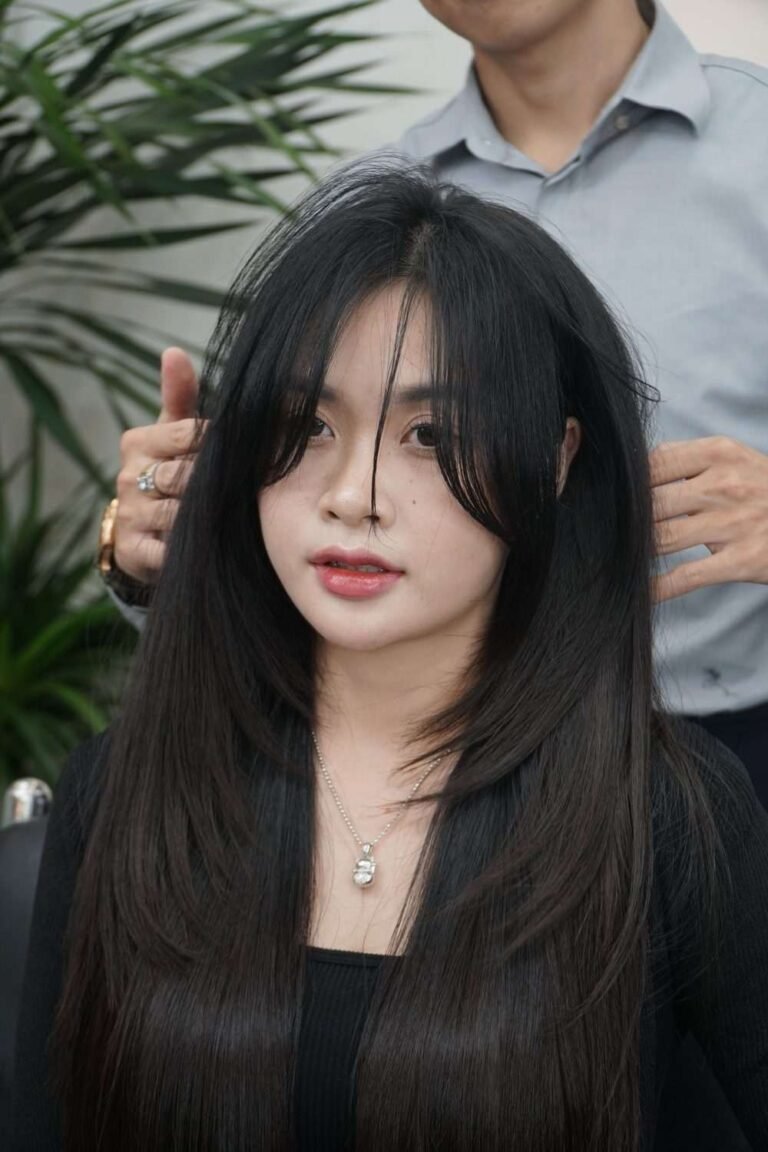
When the fringe is the same texture as the hair around it, everything blends: a soft, airy fringe melts straight into long, dark layers here, feathered at the ends so you cannot tell where the bangs end and the layers begin. It suits long hair — 14 inches (36 cm) or more — on straight to wavy textures, and it flatters long and oval faces because the layering breaks up the vertical line. Styling is wash-and-go with a center part in the fringe; a micro-trim every 4–5 weeks keeps the blend honest. For more long-hair pairings, see our long hairstyles collection. Ask for: wispy bangs cut to blend into long layers, ends feathered to match.

3. Side-swept feathered wisps
Instead of falling straight down, each wisp here is cut so the strands drape diagonally across the brow, every strand separate and visible — the feathered, side-swept version of wispy. It suits anyone growing bangs out, because a diagonal fringe has no hard line to grow through, and it flatters square and round faces by cutting the forehead into an angle. It needs 4–5 inches (10–13 cm) at the front so the sweep has length to work with. Style it by blow-drying the fringe to the side it falls; trims can stretch to 5–6 weeks. Ask for: feathered bangs cut on a diagonal, longest pieces skimming the cheekbones.

4. Wispy bangs with a shoulder-length bob
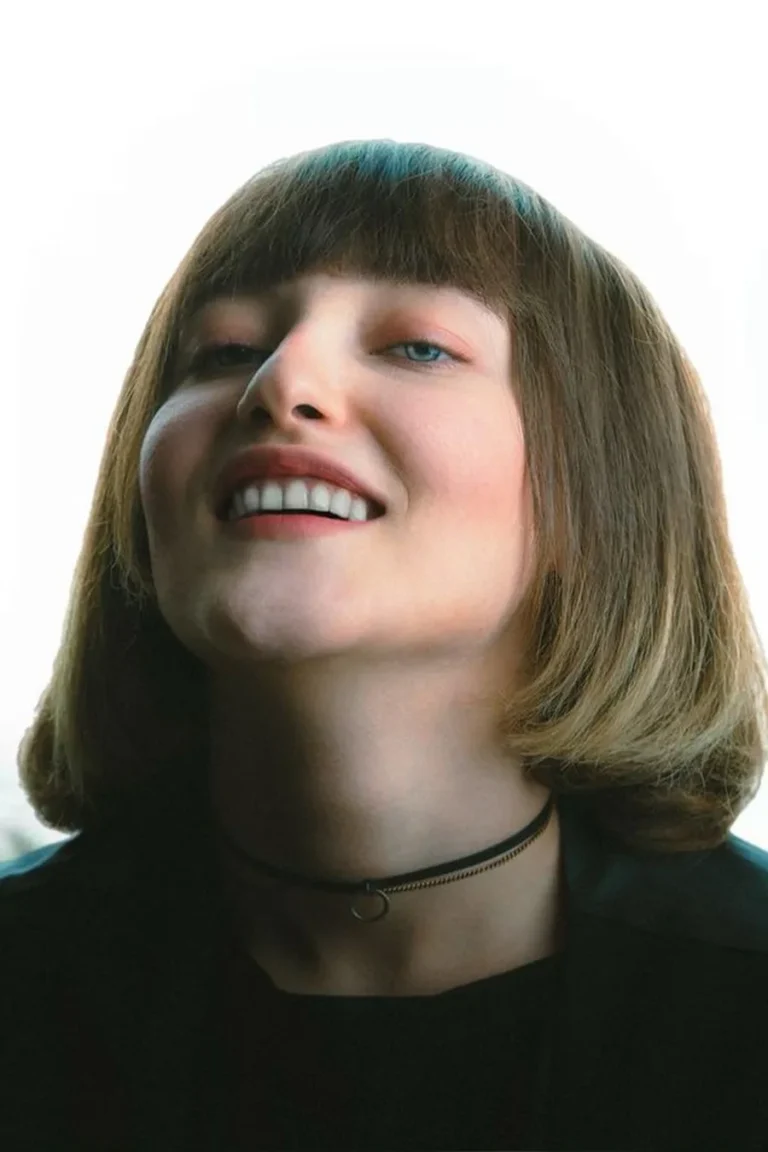
A light, feathered fringe is the friendliest way to wear bangs with a bob: it sits softly on the forehead here without the weight of a blunt fringe, so the bob still reads as the main event. It suits straight to wavy hair in a chin-to-shoulder bob — roughly 6–8 inches (15–20 cm) at the back — and oval, heart, and long faces. Upkeep is a quick round-brush pass over the fringe on wash day, two minutes at most, and a trim every 3–4 weeks. Our French bob guide shows the same idea on a shorter, jaw-length cut. Ask for: a bob with a light feathered fringe that sits on the forehead, not below the brows.

5. Barely-there wisps for fine hair
The gentlest entry point on this list: just a few scattered strands across the forehead, as in this photo — a fringe you can almost miss, which is exactly the point. It suits fine or low-density hair, because it asks for almost nothing: a thin triangle of hair, 2–3 inches (5–8 cm) long, and strands light enough to move on their own. Maintenance is nearly zero — no styling product, just wash and let it fall — though the wisps look best freshly trimmed, so expect a tiny touch-up every 4 weeks. Be honest about it being decorative rather than coverage. Ask for: a few thin wisps at the front, cut lightly, not a full fringe.

6. Golden see-through bangs
See-through bangs read even lighter on blonde hair: the separate strands catch the light here, and the gaps between them practically glow, which makes this the airiest-looking card on the list. It suits blonde to light-brown hair of any texture that holds a straight fall, and it is kind to rounder faces because the visible forehead keeps the face open. It needs 3–4 inches (8–10 cm) at the front. One caution: blonde fringe shows oil faster, so plan on a dry-shampoo refresh or a quick wash on day two. Trim every 3–4 weeks. Ask for: a classic see-through fringe, strands separated, ends point-cut on blonde hair.

7. Wispy bangs with hair worn up
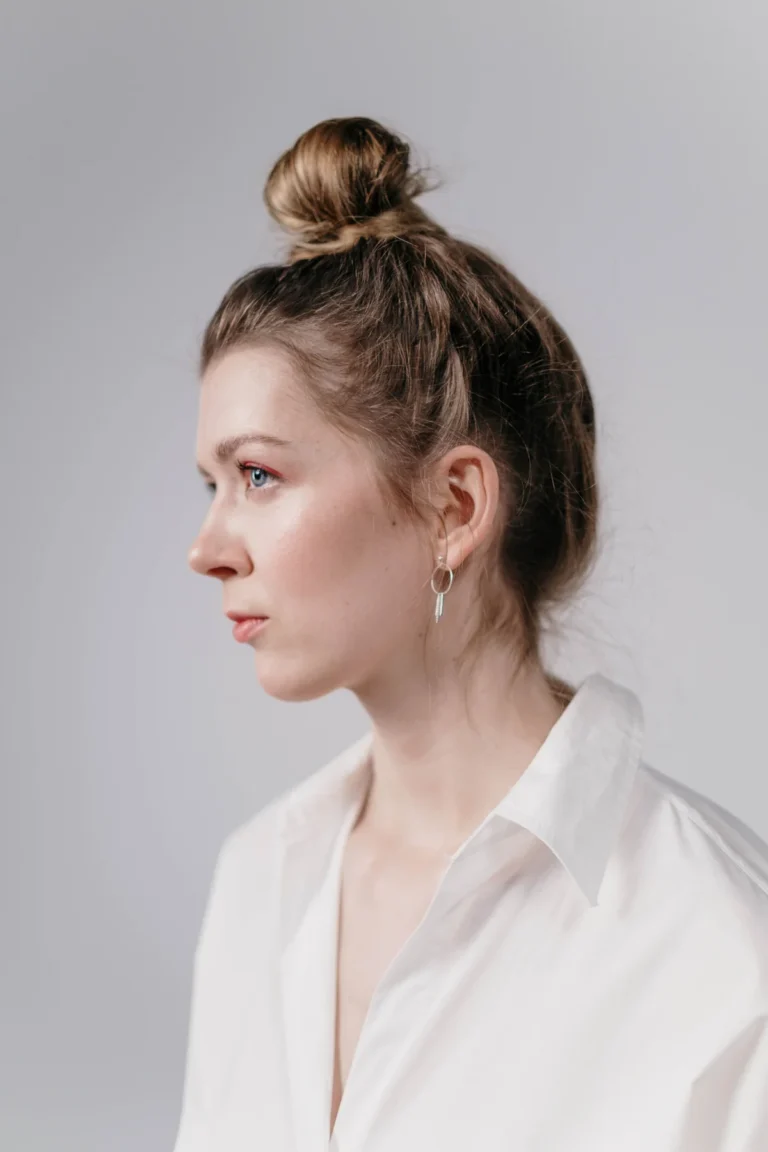
This is the fringe for updo days: with her hair lifted and swept back, the light, feathery bangs stay exactly where they fall in this photo — soft on the forehead, framing the eyes, never stiff. It suits anyone who wears ponytails, buns, or party updos, on hair long enough to pull back — 10 inches (25 cm) or more. The fringe itself needs no heat; it just needs to be left alone rather than pinned back. It is the most event-ready style here: the same fringe works for a workday ponytail and a wedding-guest updo, and our wedding guest hairstyles collect more put-up looks it pairs with. Trim every 4 weeks. Ask for: feathered bangs that fall naturally when the rest of the hair is worn up.

8. The piecey textured fringe
At the deliberately textured end of wispy: the fringe in this close-up is cut into distinct, separated pieces with real gaps and movement, the most styled-looking of the nine. It suits medium to thick straight hair, and faces that want a little edge — it reads modern rather than sweet. It needs 3–4 inches (8–10 cm) at the front. Styling takes one minute with a pea-sized amount of texturizing cream worked through dry ends to define the pieces; skip oils, which glue the pieces together. Trim every 3 weeks, since piecey ends go shaggy fastest. Ask for: a piecey fringe with separated, textured ends, cut with a razor or point-cut.
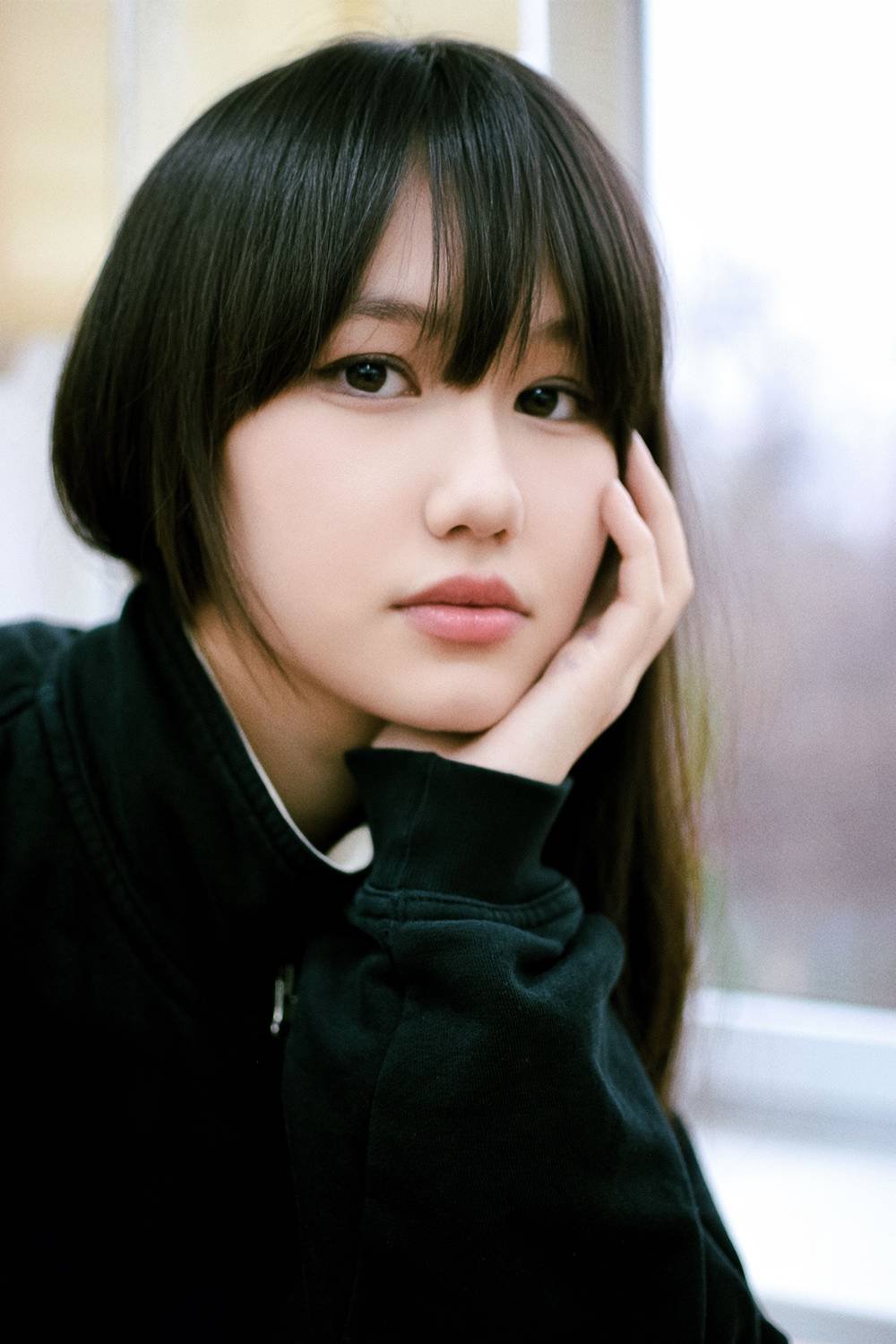
9. Soft wispy bangs on straight hair
The everyday version: a soft, see-through fringe falling evenly over the forehead of long, straight hair, light enough to show skin but even enough to look finished — no drama, just the style. It suits straight hair of any length past the chin, and just about any face shape, because it changes so little. It needs 3 inches (8 cm) at the front. This is the lowest-effort card: air-dry or blow-dry straight down, no product, trim every 4–5 weeks. If you are unsure which wispy style to commit to, start here — it is the easiest to grow out and the easiest to live with. Ask for: an even, light fringe on straight hair, ends softened, no heavy pieces.
How to choose the right wispy bangs for your face
Start with how much forehead you want to show. The classic see-through and barely-there styles keep the face open, which is why they suit rounder faces and anyone nervous about fringe. If your face is long, a slightly fuller version — the piecey or side-swept cards — shortens it more effectively, and our haircuts for long faces page shows how fringe and length work together there. When in doubt, take our quick face shape quiz before the appointment so you can describe your shape instead of guessing.
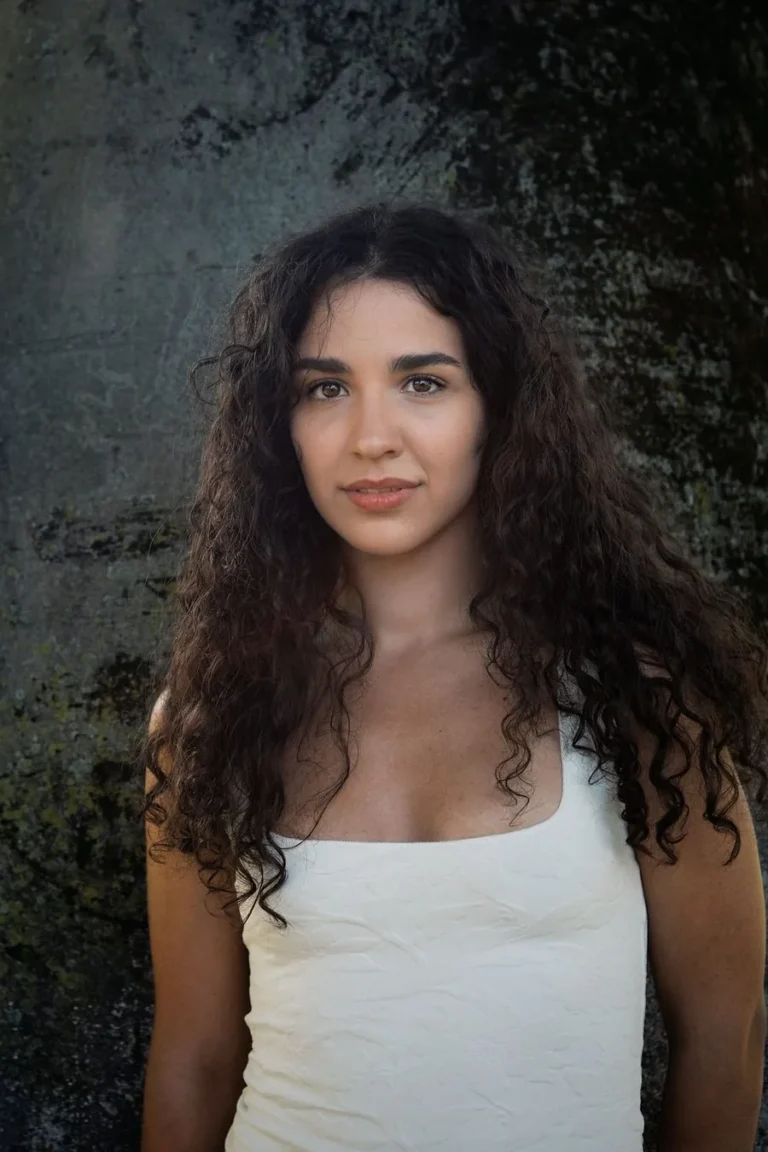
Then be honest about your hair’s natural behavior. Straight hair holds a see-through fringe exactly as cut; wavy hair will lift and separate the strands more, which suits the side-swept and piecey cards; very curly hair turns wispy bangs into short curls at the forehead, which can be lovely but is a different style than these photos show. And density decides everything: fine hair does best with the barely-there or golden see-through cards, because asking thin hair for a thick piecey fringe just exposes the scalp.
Finally, count the trims. Every card here needs a professional trim every 3–5 weeks — wispy ends lose their shape faster than blunt ones, and a home snip on thin strands is how a fringe goes crooked. If that schedule sounds like a lot, the barely-there wisps (card 5) are the cheapest to maintain and the soft everyday style (card 9) the most forgiving between appointments.
What to ask your stylist
The one sentence that saves appointments: “I want a thin, separated fringe with visible gaps — wispy, not blunt — and I want to see my forehead through it.” Say which card you like, how often you will come for trims, and whether you style with heat or air-dry. Always show the photo from the front at eye level — with wispy bangs, the forehead view carries the whole style.
Frequently asked questions
How do I keep wispy bangs looking wispy instead of stringy?
Wash the fringe more often than the rest of your hair — forehead oil is what glues strands together. On second-day hair, a puff of dry shampoo at the roots and a shake with your fingers usually separates them again. Skip heavy oils and serums on the fringe; if you use texturizing cream for the piecey look, use a pea-sized amount on dry ends only.
How often do wispy bangs need trimming?
Every 3–5 weeks, depending on the style. The piecey and classic see-through cards need it at 3 weeks because feathered ends go shaggy quickly; the barely-there and soft everyday cards stretch to 4–5 weeks. The trim itself is small and quick — many salons do fringe touch-ups between full appointments.
Do wispy bangs work on curly hair?
They work, but they will not look like these photos. On curly hair the “wisps” spring up into short curls at the forehead, which is a real style in its own right — just cut the fringe longer than you think, dry, since curls shrink. If you want the exact separated-strand look from this list, you would need to straighten the fringe daily, which most people find is not worth it.
What is the difference between wispy bangs and thin bangs?
They overlap, but “wispy” describes the finish and “thin” describes the amount. Wispy bangs are cut so the strands separate and feather at the ends — even a medium-density fringe can be wispy if it is point-cut. Thin bangs just use less hair. The classic Korean see-through style is both; the piecey textured card is wispy without being especially thin.
The right wispy fringe is the one you forget you are wearing: light on the forehead, quick to style, and gone gracefully when you decide to grow it out. Shortlist two or three cards, save the front-view photos, and start with the lightest one — you can always ask for more fringe at the next trim, but you cannot put strands back.
Keep exploring
- Bangs & Fringe — the full collection, from blunt fringes to face-framing layers.
- French Bob Haircuts — see how a light fringe plays with a short, jaw-length bob.
- Short Hairstyles for Women — shorter cuts that pair well with a feathered fringe.
Save your favourite styles and follow DreamyTrims on Pinterest for new haircut ideas every week.