11 Braided Hairstyles for Women
Braids are the most versatile hairstyle there is: they keep hair off your face, last far longer than a blowout, and range from a simple plait to a full protective style. These 11 braided hairstyles for women cover every version worth trying — classic, Dutch, box braids, cornrows, crown braids and more — with the length each one needs, who it suits best, and the exact words to ask your stylist. Every style here is for adult wearers.
Start with length, because braids need more hair than most styles: braiding shortens the hair, and a braid that starts at the crown needs extra inches to travel around the head. If you are still growing your hair out, browse our long hairstyles first to see how each length behaves before you braid it.
Quick picks — the shortlist
- The classic single braid — the simplest braid there is, and the best place to start.
- Double Dutch braids — the neatest way to keep every strand off your face.
- Box braids — the lowest daily upkeep, once the installation is done.
- The crown braid — the most formal braid here, for occasions when hair must stay up.
11 braided hairstyles for women to try
1. Best all-rounder: the classic single braid
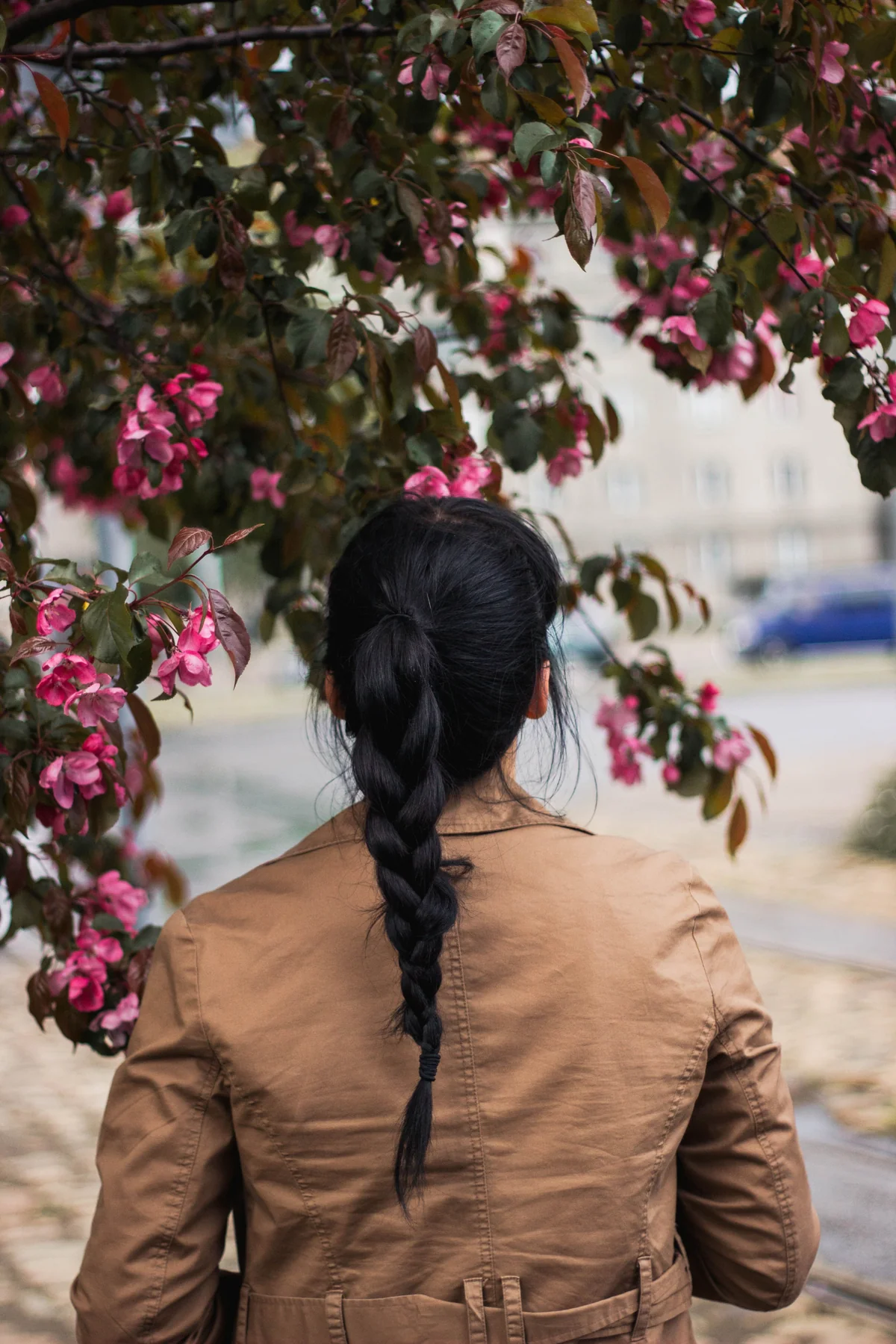
One long braid down the back, woven from three sections and tied at the ends. It is the simplest braid on this list and the easiest to judge from a photo, because nothing about it is hidden: the braid itself is the whole style. It suits oval and round faces and straight to wavy hair, and it looks cleanest on hair with a fairly even length, so the braid stays thick to the ends. Length: 14–20 inches. Maintenance is low: it takes minutes to braid, holds all day, and can be redone without tools. Ask for: a single classic braid down the back, kept smooth at the crown.
2. Double Dutch braids
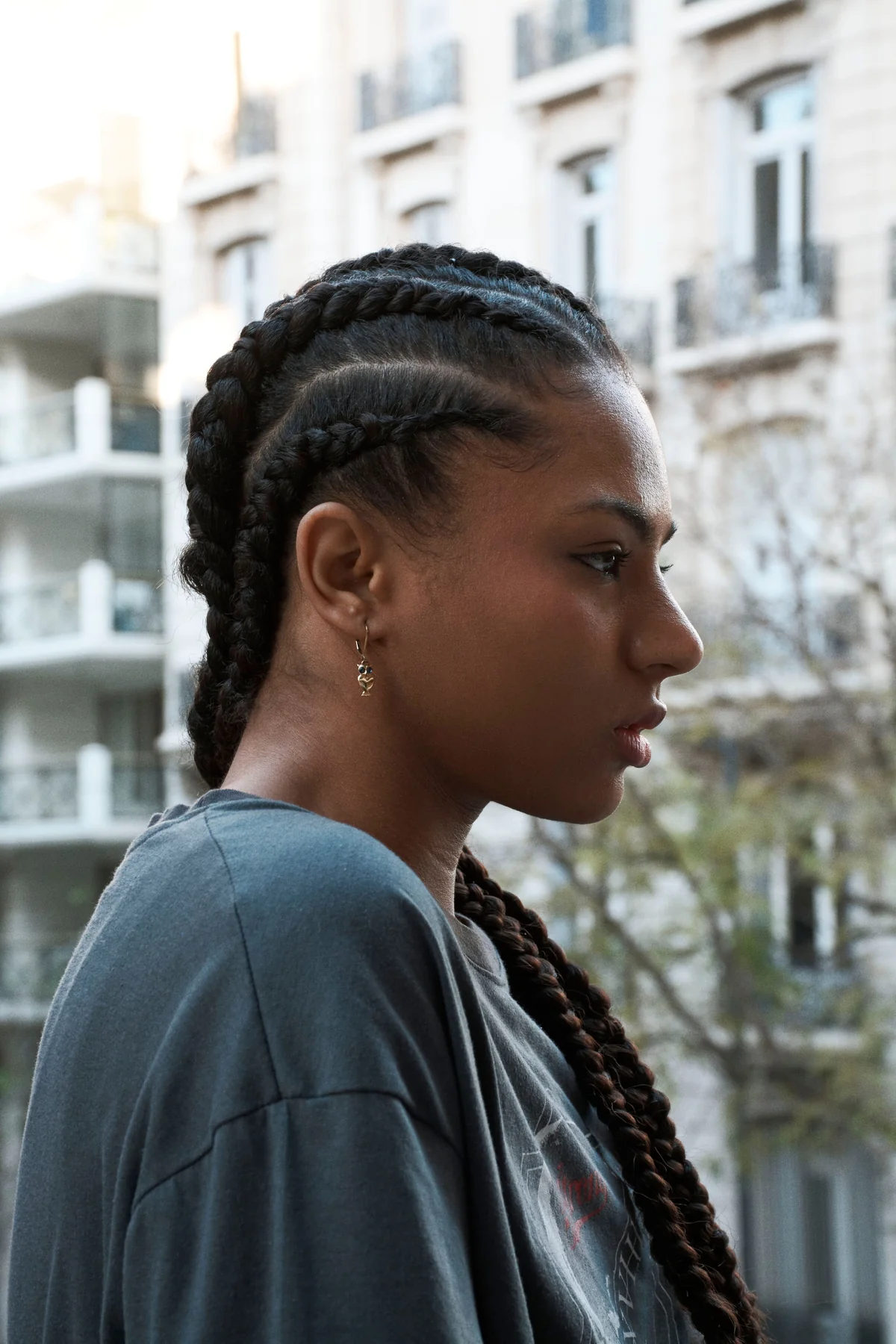
Two raised braids that run from the hairline to the nape, with each section crossed under the next so the braids sit on top of the hair instead of sinking into it. The raised texture sets Dutch braids apart from a flat French braid, and it shows on dark hair too. They suit oval and heart faces and medium to thick hair, and they keep every strand off the face, which makes them a strong choice for workouts and long days out. Length: 12–18 inches. Maintenance is medium: the braids hold well once done, but getting both sides even takes practice. Ask for: two Dutch braids, crossed under, from the hairline to the nape.

3. Box braids
The hair is divided into square-shaped sections and each section is braided from root to tip, usually with added hair for length and fullness. The result is individual braids that fall freely and can be worn loose or pinned up. Box braids suit most face shapes and work best on textured or coily hair, or on hair that holds a braid without slipping. Length: 16–22 inches, including added length. Maintenance is low day to day but high at installation, since a full head takes hours in the chair. Ask for: medium box braids with added length, parted in neat squares.
4. Cornrows
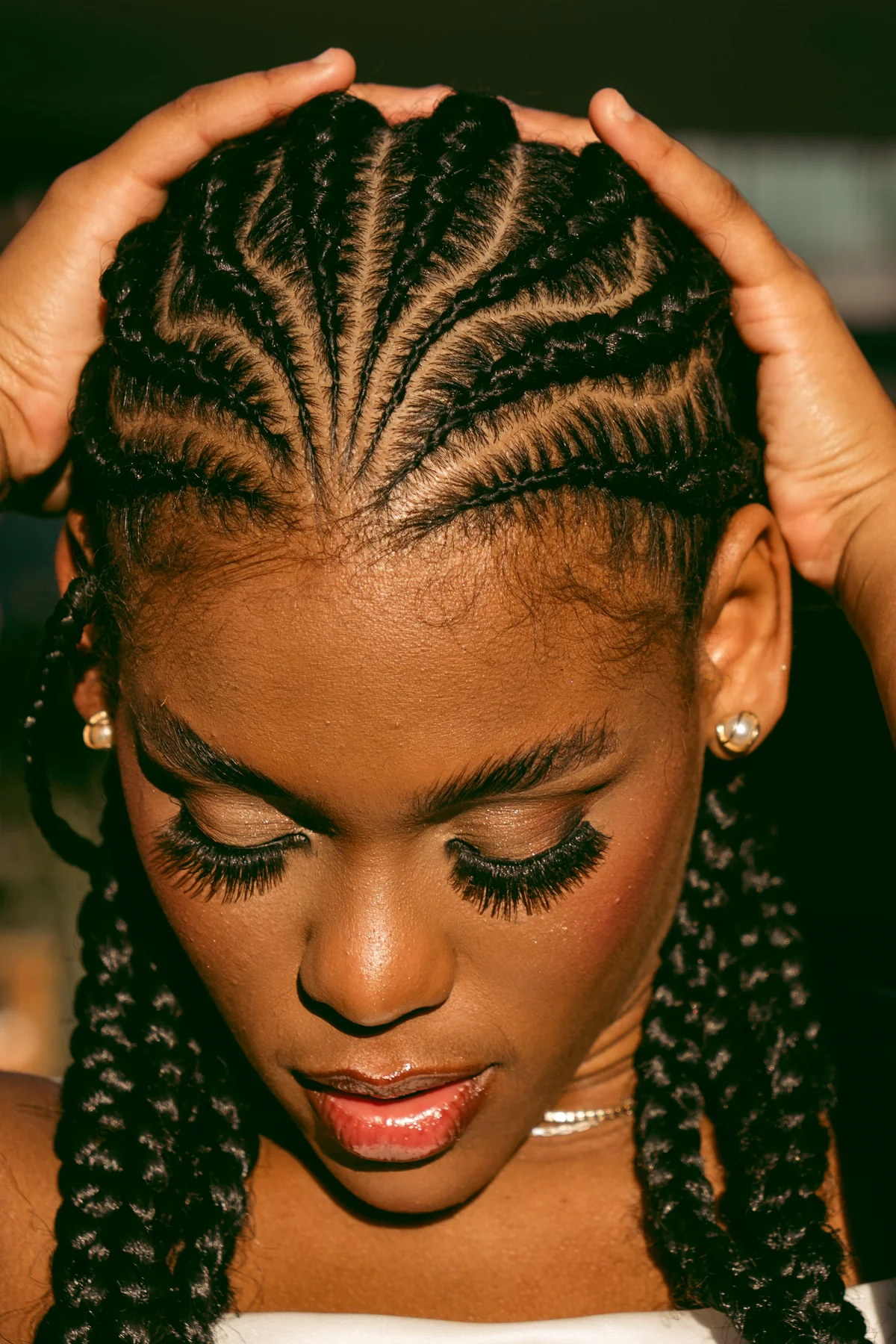
Narrow braids woven flat against the scalp in straight rows, so the pattern itself is the style. Cornrows suit oval and round faces and textured hair, and they sit completely flat, which makes them easy to wear under a scarf, a hat, or a wig. Clean parts matter more here than in any other braid on this list. Length: 10–16 inches of natural hair, longer if extensions are added to the ends. Maintenance is low: once braided, they need little daily work beyond keeping the scalp moisturized. Ask for: straight-back cornrows with clean, even parts.
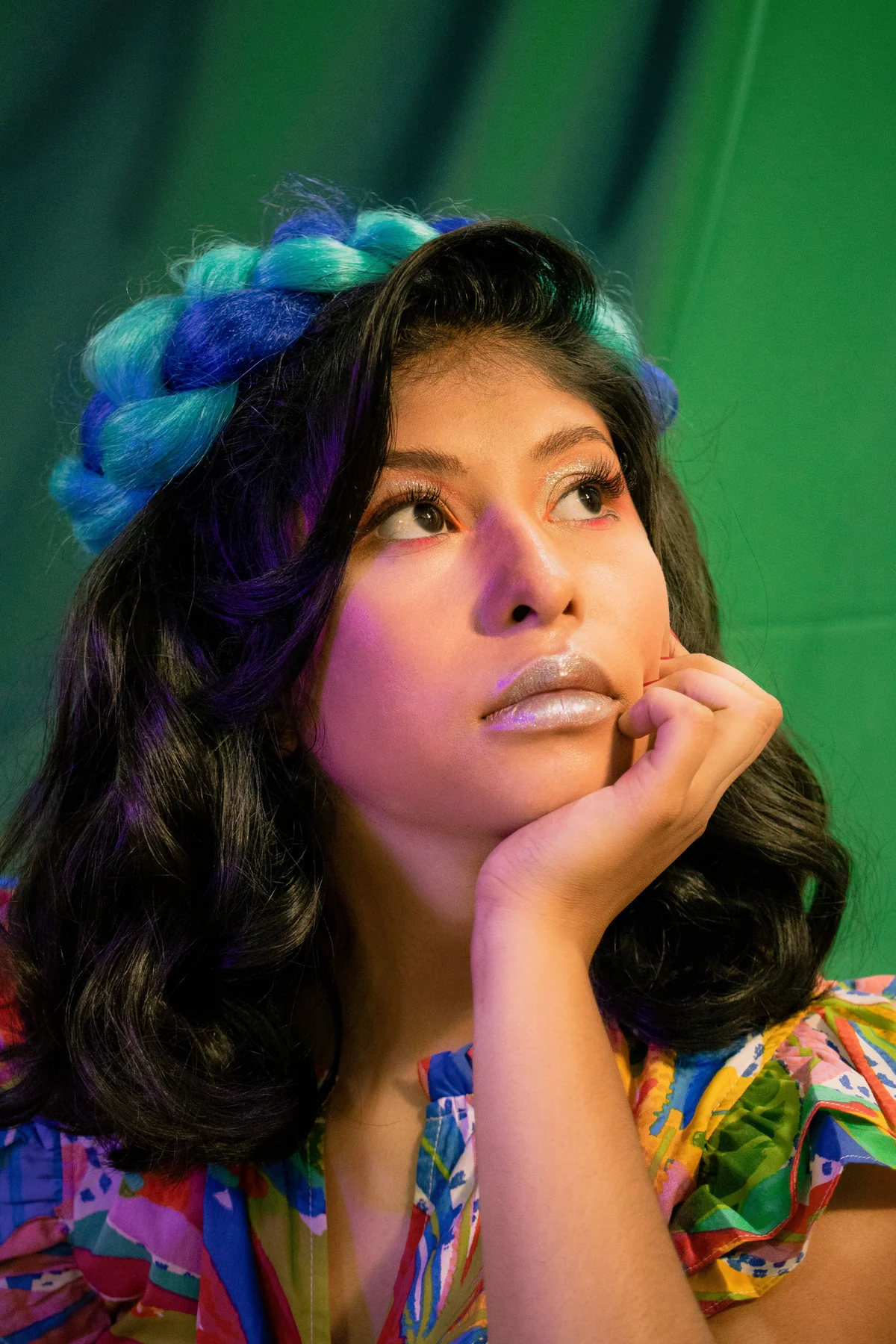
5. The crown braid
A single thick braid wrapped around the head like a headband, pinned in place so it frames the face from every angle. The photo version uses bold color, but the same shape works in a natural shade. It suits oval and long faces and medium to thick hair, and it is one of the best braids for occasions when hair must stay completely off the neck. Length: 14–20 inches, so the braid can travel all the way around the head. Maintenance is medium to high: the wrap needs pins and a little smoothing to stay put. Ask for: a crown braid wrapped around the head and pinned at the back.
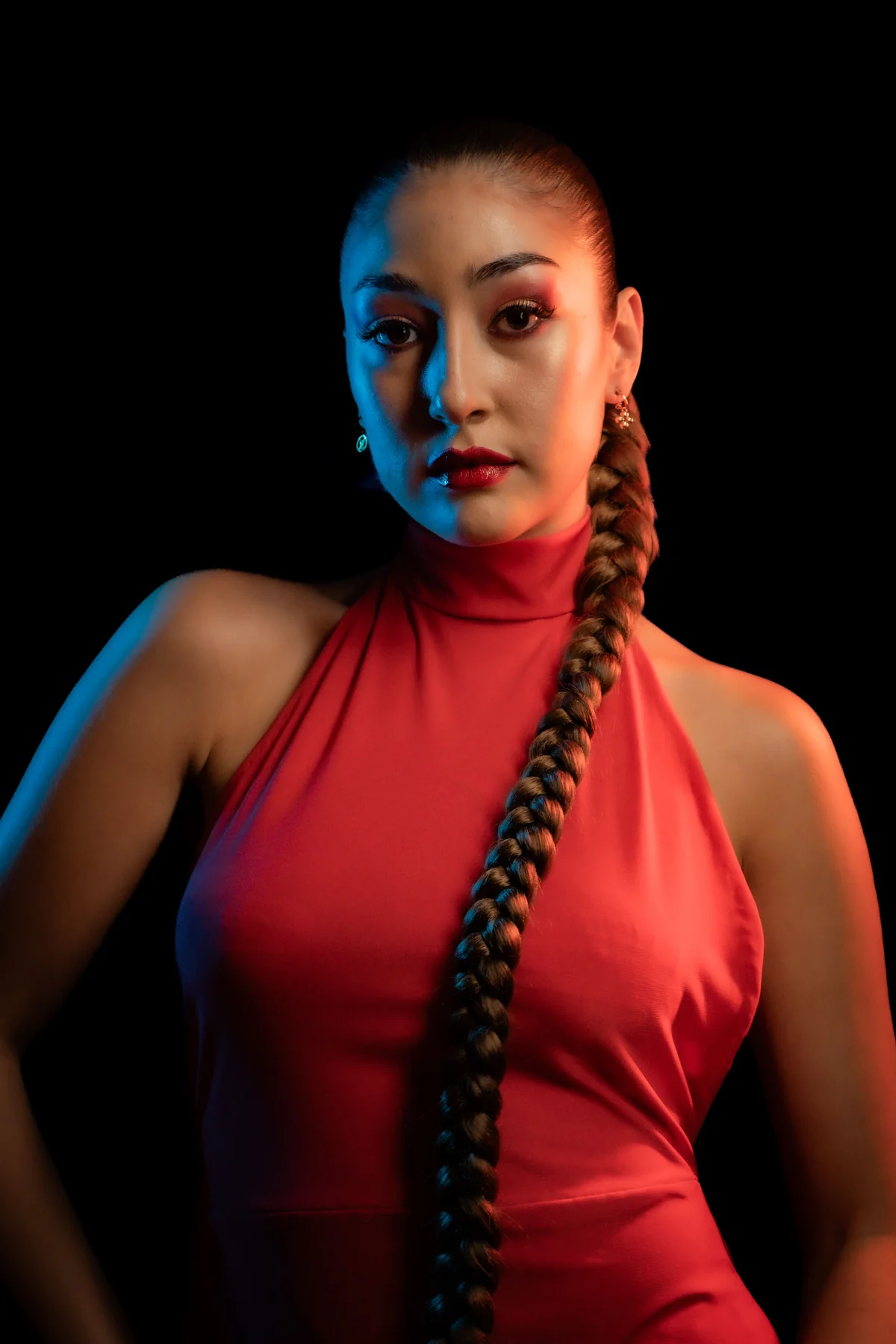
6. The sleek side braid
Hair is swept to one side and braided over the shoulder, with the crown kept smooth so the braid reads as one long, polished line. Wearing the braid in front makes it a feature of the outfit, not something seen only from behind. It suits oval and heart faces and straight to slightly wavy hair, and it flatters strong cheekbones because the face stays open. Length: 16–22 inches, so the braid still looks substantial over the shoulder. Maintenance is low to medium: a smooth crown needs a brush and a little serum, but the braid itself is simple. Ask for: a sleek side braid worn over one shoulder, with a smooth crown.
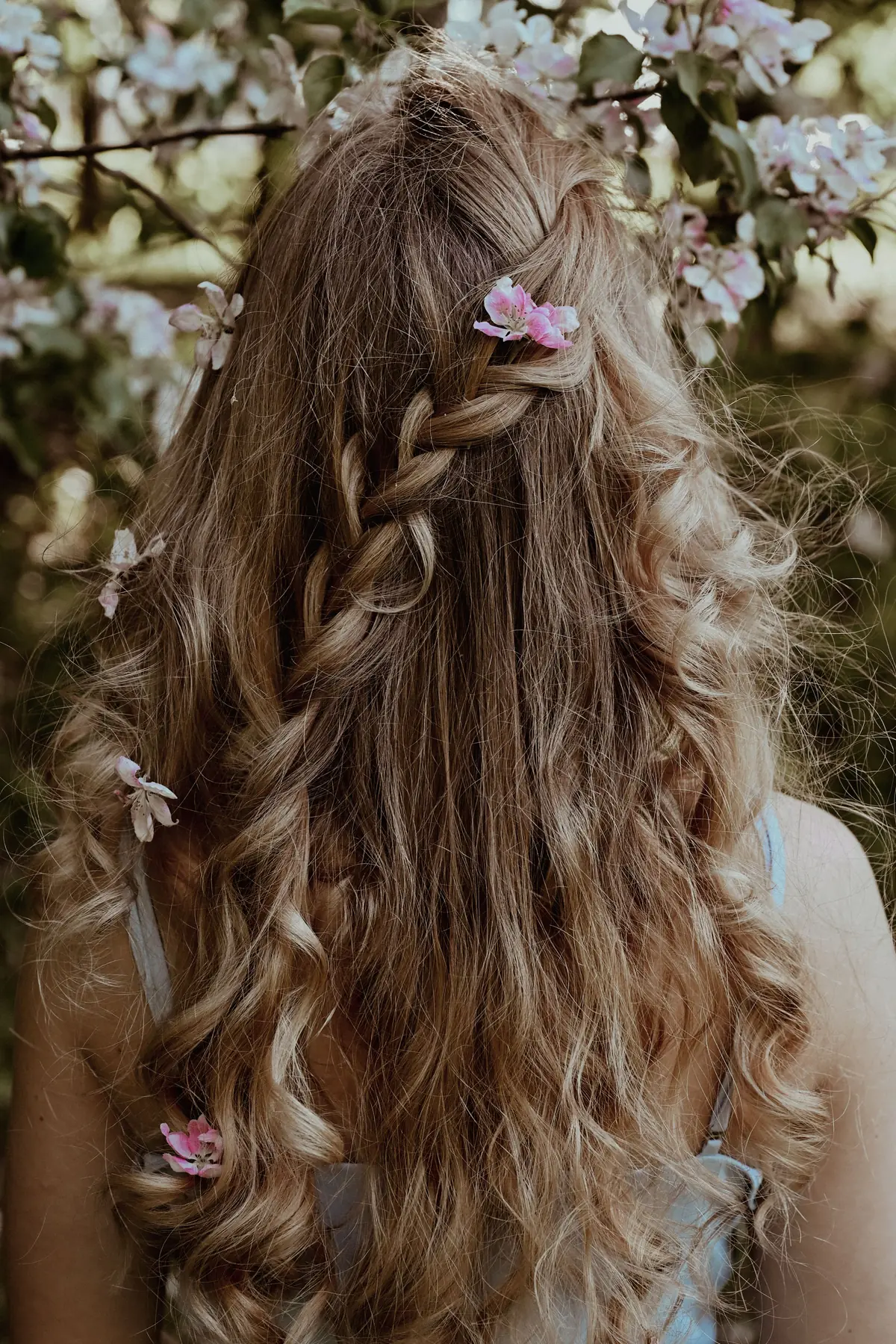
7. The waterfall braid
A braid runs across the back of the head while strands are dropped out of it as it goes, so loose, wavy hair falls below the braid like a curtain. It suits wavy and loosely curled hair best, and oval or heart faces, because the loose hair softens the jaw while the braid adds structure at the top. It is the most romantic braid here, often chosen for weddings and evenings. Length: 14–20 inches, so the falling hair still has length past the shoulders. Maintenance is medium: the braid needs gentle handling so the dropped strands stay loose and do not tangle. Ask for: a waterfall braid across the back, with loose waves left falling below it.
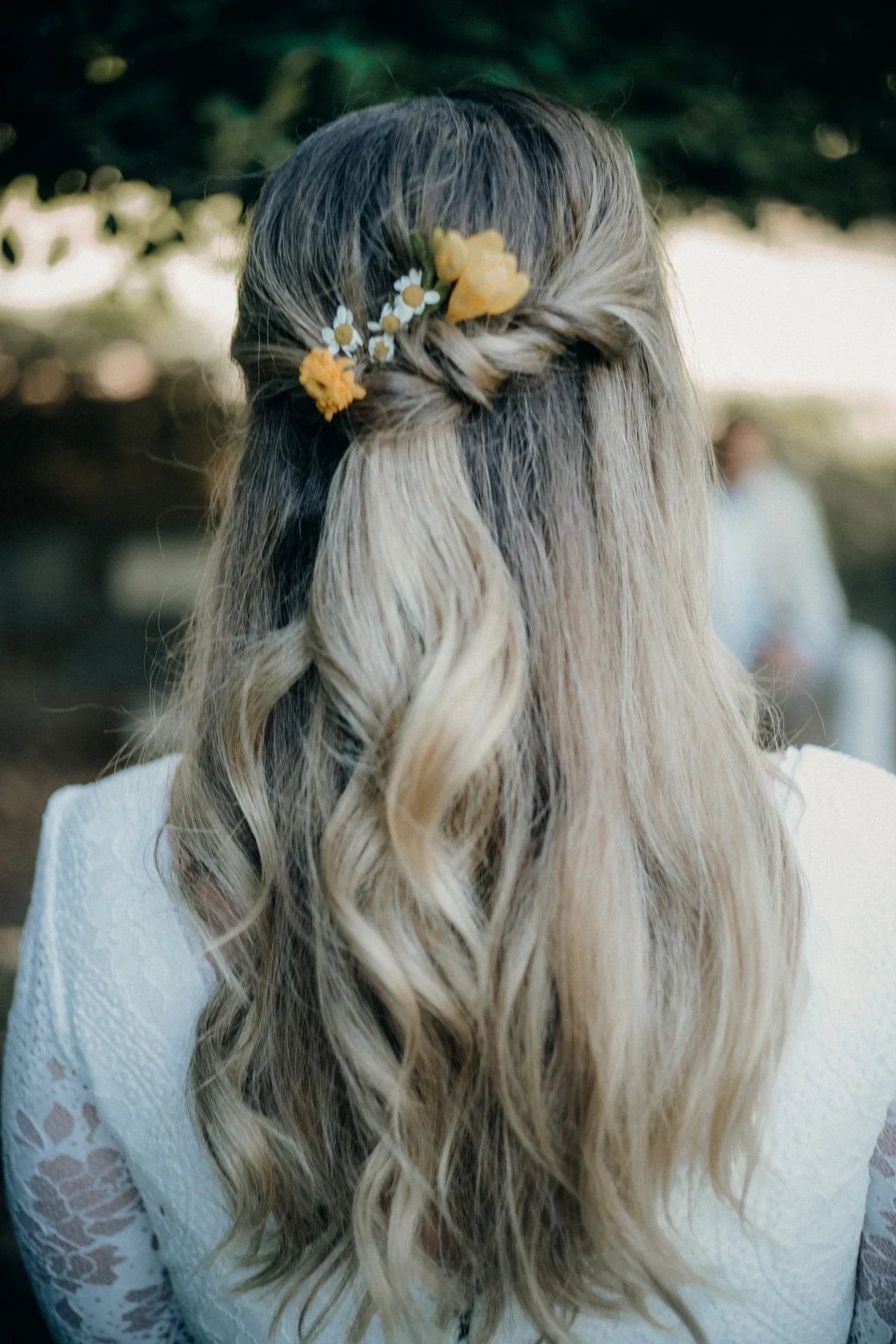
8. The braided half-up
Two small braids or a single braided band are pinned across the back of the head while the rest of the hair stays down in waves. It gives the neatness of a braid without giving up length, which makes it a good middle step if a full braid feels too severe. It suits most face shapes and wavy or straight hair, and it works well with a little wave or curl through the loose lengths. Length: 12–18 inches, so the loose hair still falls past the shoulders. Maintenance is low: the braids take minutes and the loose hair needs only a wave or a brush-through. Ask for: a braided half-up, with the braid pinned across the back and the rest left down.
9. The boho braid
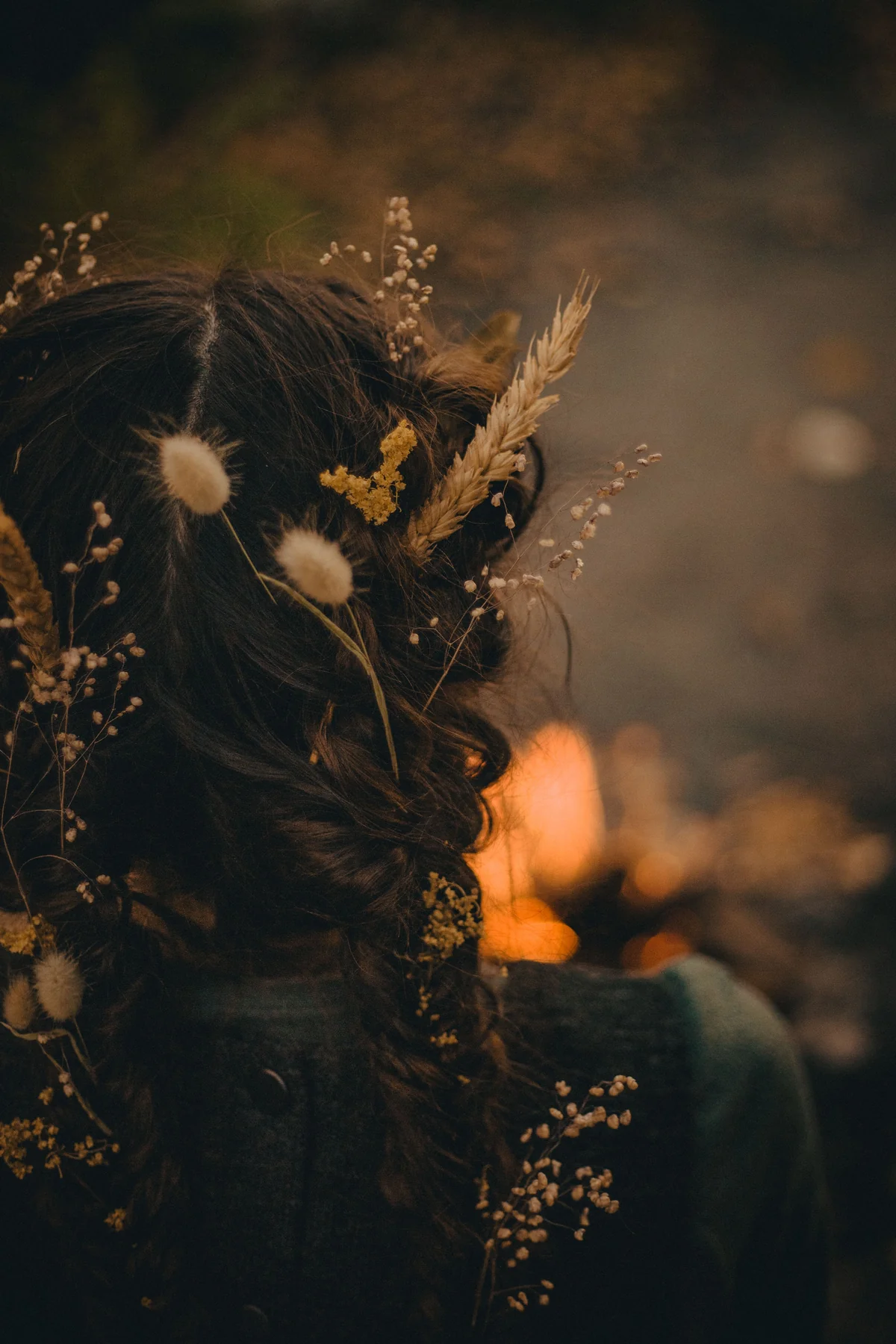
A loose, textured braid worn with soft, undone pieces around the face, often finished with small flowers or dried stems for a relaxed, outdoor feel. The looseness is deliberate: pulling a few strands free keeps it from looking stiff. It suits wavy and textured hair and round or square faces, because the soft pieces break up a strong jawline. Length: 14–20 inches. Maintenance is low: this braid is meant to look slightly undone, so it survives a long day better than a tight braid. Ask for: a loose boho braid, pulled slightly apart, with soft pieces left around the face.
10. The braided bun
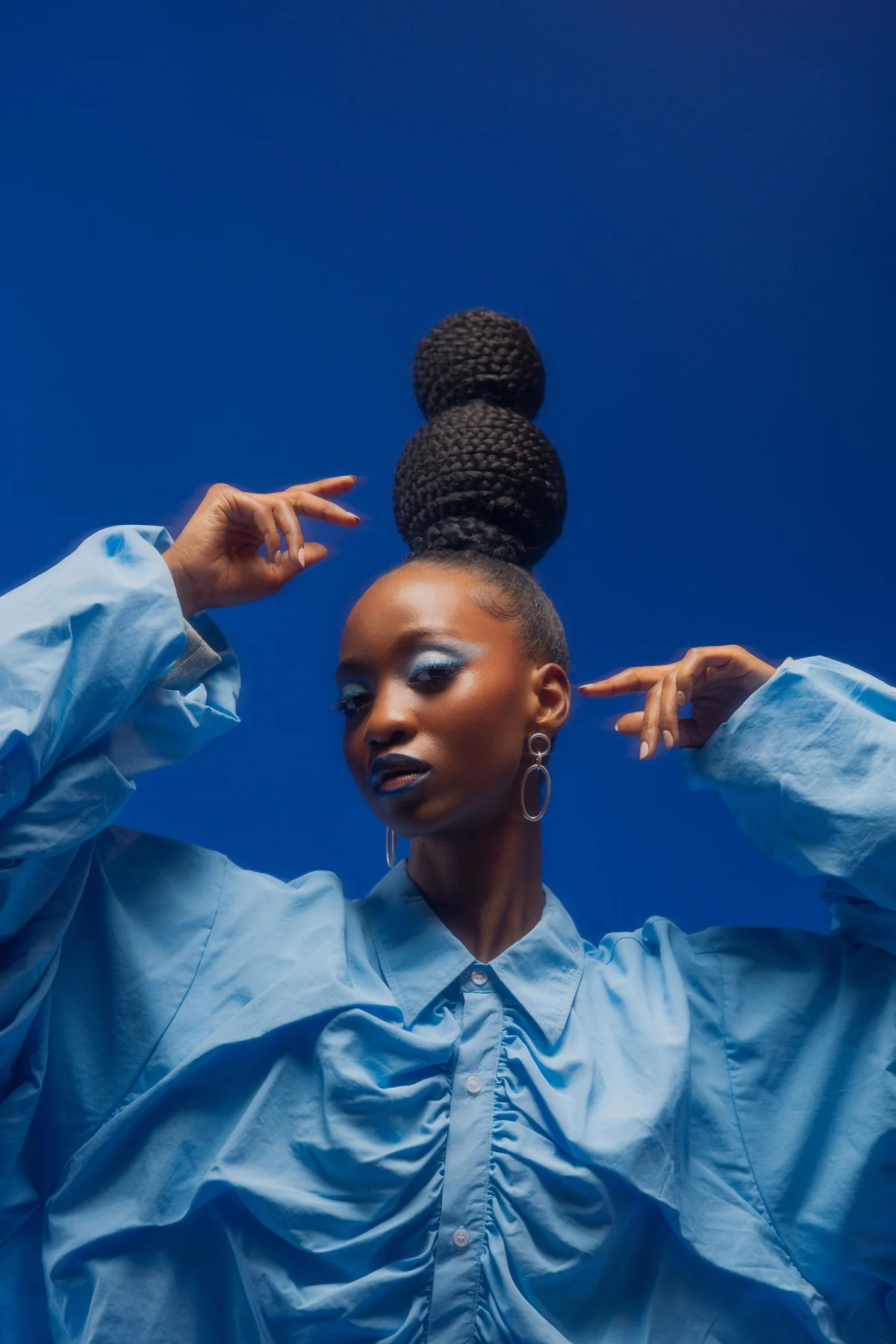
Braids are coiled and stacked into a tall bun on top of the head, so the bun itself carries a woven texture instead of a smooth surface. It suits oval and round faces and thick hair with plenty of length, and it holds far better than a plain bun because the braids grip each other. Length: 14–20 inches of braided hair, so the coil has enough bulk to stack. Maintenance is medium to set and low once it is in: coiling takes time, but the finished bun barely moves. Ask for: a high bun coiled from braids, stacked and pinned securely.
11. The braided ponytail
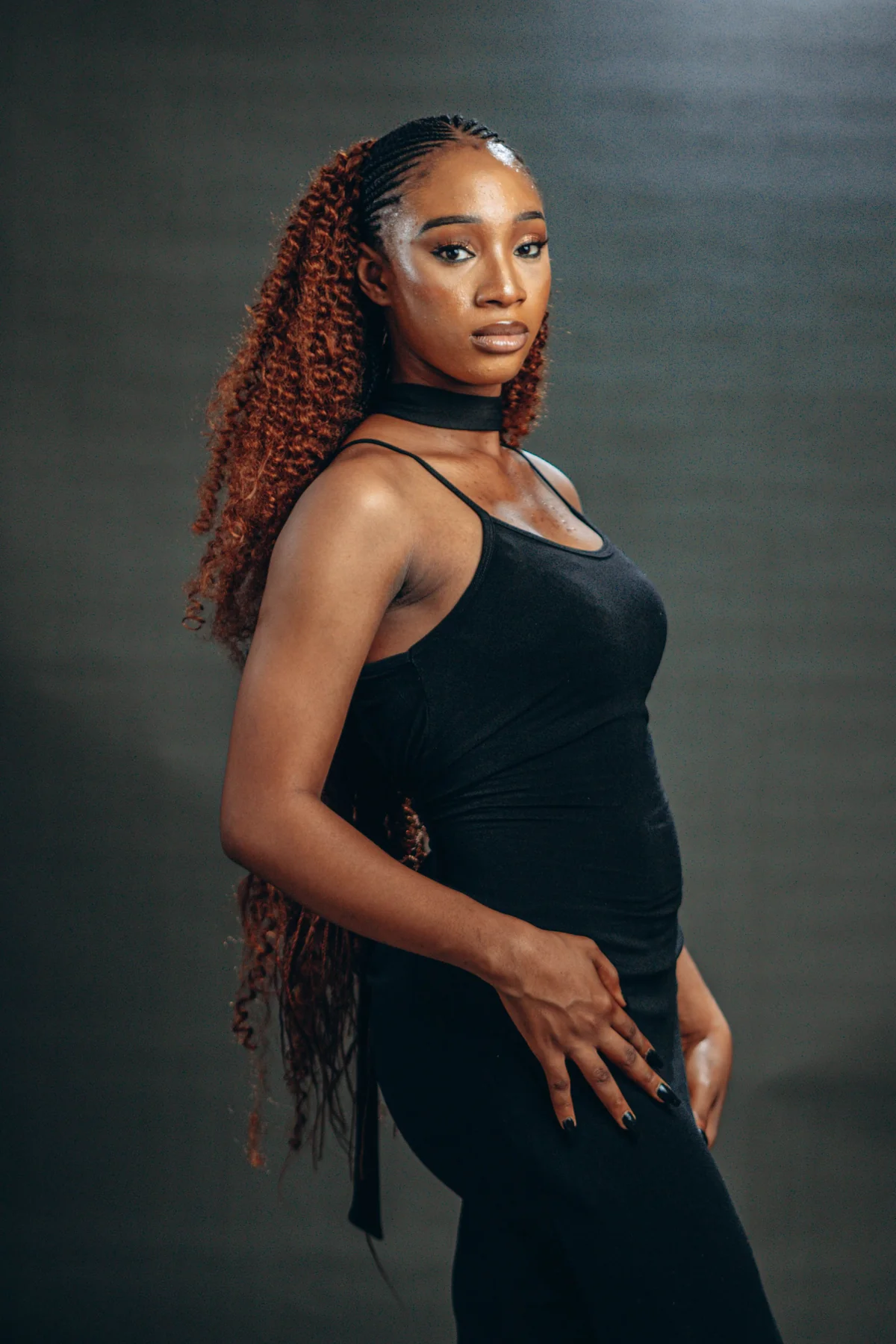
Fine braids at the front lead back into a long ponytail, so the style has braid detail at the hairline and movement at the ends. In the photo, the front braids feed into a long, curly ponytail, which keeps the look soft. It suits oval and heart faces and textured or wavy hair, and it is a strong choice when you want braids without committing to a full head of them. Length: 14–20 inches, including the ponytail length. Maintenance is medium: the front braids need care to stay neat, while the ponytail itself is easy. Ask for: front braids leading into a long ponytail, with the ends left curly.
How to choose the right braid
Start with how long you want the style to last. A single braid, a side braid, or a braided half-up is a one-day style: quick to do and easy to redo. Box braids and cornrows are the opposite — they take hours to install but then need almost no daily work, which is why they suit busy weeks and holidays. Unsure of your shape? Our face shape guide shows a quick way to check using a mirror and a soft tape measure.
Next, match the braid to your hair’s texture. Smooth, straight hair holds a classic braid, a side braid, and a waterfall braid cleanly, but it can slip out of very small braids. Textured and coily hair holds box braids, cornrows, and Dutch braids beautifully, because the texture grips itself. If your hair is fine, choose braids that add visual weight — a crown braid, a braided bun, or a side braid worn over the shoulder — rather than many tiny braids that can look sparse.
What to ask your stylist
Use one sentence that covers the braid type, the placement, and the finish. For example: “I would like two Dutch braids from the hairline to the nape, crossed under so they sit raised, with a smooth finish and no loose pieces.” Add your real length in inches and how long you want the style to last. Always show a back view as well as a front photo: with braids, the back view is what shows the pattern most clearly.
Frequently asked questions
How long does my hair need to be for a braid?
About 10 inches (25 cm) is enough for cornrows and a small braid, while most styles here — a classic braid, a crown braid, or a side braid — look best at 14 inches (35 cm) or more, because braiding shortens the hair. Box braids and a braided ponytail can use added hair if your natural length is shorter.
Can I braid my own hair, or should I go to a stylist?
A classic braid, a side braid, and a braided half-up are easy to learn at home. Dutch braids, a crown braid, and a waterfall braid take practice to keep even, and box braids and cornrows are usually best done by a stylist or braider, since neat parts and even tension matter and a full head takes hours.
Do tight braids damage hair?
A braid that pulls at the hairline or hurts can strain the hair over time, especially if it is worn in the same place every day. Keep the tension comfortable, vary the placement, and give your hair a rest between long-wear styles like box braids and cornrows. A braid should feel secure, never painful.
How do I keep a braid looking neat for a second day?
Sleep with the braid loosely covered or on a smooth pillowcase, and smooth only the crown and the hairline in the morning rather than redoing the whole braid. For a loose boho braid, a little fuzz is part of the look; for a sleek side braid, a drop of serum is enough.
A braid is really a family of styles, not a single look — the version that works is the one matched to your hair’s length, your texture, and how long you want it to last. Shortlist two or three styles, save front and back photos, and let your stylist adjust the final length on the day.
Keep exploring
- Long Hairstyles — the lengths that make the fullest braids, and how to grow into them.
- Layered Bob Haircuts — when you want your hair down instead of braided.
- Wedding Guest Hairstyles — formal styles, including crown and waterfall braids, chosen for occasions.
- Flipped Bob Haircuts — a shorter, unbraided option for a change of pace.
- Wispy Bangs — a soft fringe that pairs well with braids worn off the face.
- Braided Hairstyles for Girls — the companion list for younger wearers.